
Quality & Methods
HPLC Verification: Safeguarding BPC-157 Evidence and Research Integrity
·Educational reference
High-Performance Liquid Chromatography (HPLC) stands as a cornerstone analytical technique within peptide research, indispensable for validating the purity and identity of reference compounds. For a peptide like BPC-157, where a growing body of *in vitro* and *in vivo* research models is exploring its diverse biological activities, rigorous analytical verification is not merely a best practice; it is a fundamental requirement for scientific integrity and the reproducibility of *BPC-157 evidence*. This article delves into the critical role of HPLC verification, its mechanisms, and the implications of its absence for the robustness of peptide research.
### Quick Summary
Reliable peptide research, particularly concerning compounds like BPC-157, hinges on the verifiable purity and identity of the reference materials used. High-Performance Liquid Chromatography (HPLC) provides the necessary analytical rigor to confirm these attributes, ensuring that observed effects are genuinely attributable to the intended peptide and not to impurities or degradation products. Without robust HPLC verification, *BPC-157 evidence* generated in studies risks being compromised, leading to potentially misleading conclusions and impeding the advancement of scientific understanding. Researchers must prioritize comprehensive analytical characterization to uphold the validity of their experimental findings.
## What is HPLC Verification and Why is it Essential for BPC-157 Evidence?
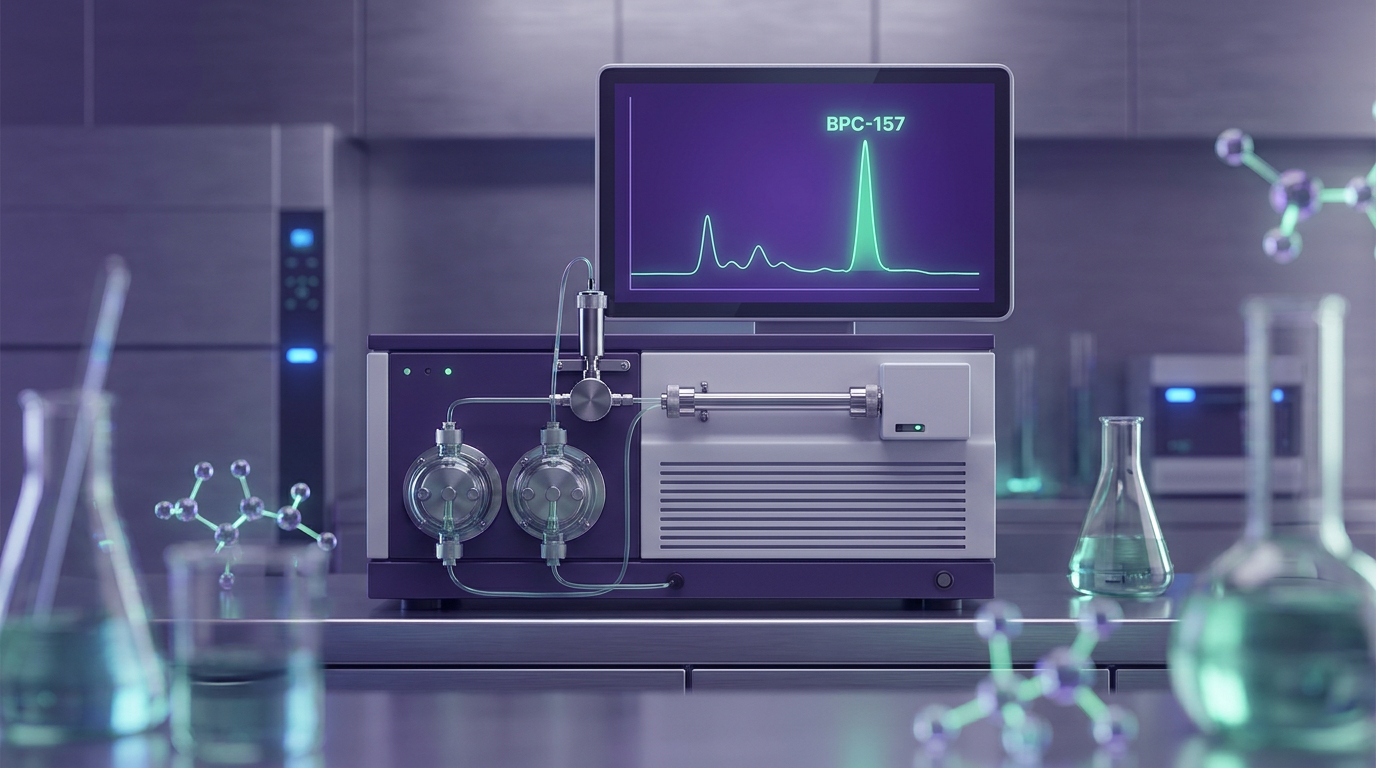
HPLC is an analytical chemistry technique used to separate, identify, and quantify each component in a mixture. It relies on a high-pressure pump to force a solvent (mobile phase) containing the sample through a column packed with a solid adsorbent material (stationary phase). The differential interaction between the sample components and these two phases results in their separation. For peptide reference compounds, this separation is critical because even minor impurities can significantly alter experimental outcomes.
For BPC-157, a synthetic peptide composed of 15 amino acids, its precise sequence and integrity are paramount. *BPC-157 evidence* generated from studies employing impure or degraded samples could lead to misinterpretations of its bioactivity, mechanisms of action, or even apparent efficacy. For instance, an impurity might exhibit its own biological activity, or it might interact synergistically or antagonistically with BPC-157, confounding results. Conversely, a degraded sample may show reduced or altered activity, leading to false negatives or an underestimation of its potential. Therefore, verifying the purity and identity of BPC-157 via HPLC is an indispensable step before its use in any research model.
## Mechanism of Action: How HPLC Verifies Peptide Identity and Purity
HPLC works by exploiting differences in molecular properties, such as polarity, size, or charge, to separate compounds. For peptides, reversed-phase HPLC (RP-HPLC) is most commonly employed. In RP-HPLC, the stationary phase is nonpolar (e.g., C18 silica), and the mobile phase is polar (e.g., water/acetonitrile mixtures with trifluoroacetic acid as an ion-pairing agent).
As the mobile phase flows, peptides in the sample interact with both phases. Hydrophobic peptides will interact more strongly with the nonpolar stationary phase, eluting later, while more hydrophilic peptides will interact less, eluting earlier. The retention time—the time it takes for a specific compound to travel through the column—is a characteristic identifier for a given peptide under specific chromatographic conditions. By comparing the retention time of a research sample to that of a known, high-purity standard, its identity can be tentatively confirmed.
Beyond identity, purity is assessed by analyzing the chromatogram, which is a plot of detector response versus retention time. A single, sharp peak at the expected retention time, with minimal or no other peaks, indicates high purity. The area under the peak is proportional to the concentration of the peptide. Integrating the peak area of the primary peptide and comparing it to the total peak area of all detectable components allows for a quantitative determination of purity. For *BPC-157 evidence* to be considered robust, purity levels typically exceeding 95% or even 98% are often required, depending on the research context.
**Key Analytical Parameters in HPLC:** * **Retention Time (tR):** Specific for a peptide under defined conditions. * **Peak Area:** Correlates with the concentration of the peptide. * **Peak Shape:** Indicates column efficiency and potential issues like overloading. * **Resolution:** Measure of separation between adjacent peaks. * **Signal-to-Noise Ratio:** Reflects the sensitivity of the detection.
Detection is commonly performed using UV-Vis spectroscopy, often at 214 nm, which is characteristic for the peptide bond. Mass spectrometry (MS) detection, often coupled with HPLC (LC-MS), provides an even more definitive confirmation of identity by measuring the exact molecular mass of the eluting components, allowing for sequence confirmation or detection of specific modifications or impurities. This combination is particularly powerful for robustly validating *BPC-157 evidence*.
## What the Research Shows: The Impact of Purity on Peptide Studies
The scientific literature consistently underscores the critical need for analytical rigor in peptide research. Numerous studies, particularly in the early stages of peptide characterization and biological activity assessment, highlight how variations in peptide purity can lead to conflicting or irreproducible results. While direct studies specifically detailing *BPC-157 evidence* being compromised by lack of HPLC verification are not widely published as explicit cautionary tales (as most reputable researchers are expected to perform such verification), the broader context of peptide science offers ample justification.
For example, a review published in *Peptide Science* (2018) emphasized that synthetic peptides often contain impurities such as deletion sequences, truncated products, or side-chain modifications, all of which can alter biological activity. Similarly, research in *Analytical Biochemistry* (2015) discussed the challenges of peptide synthesis and purification, illustrating how even seemingly minor impurities can confound complex biochemical assays. These examples reinforce that any *BPC-157 evidence* derived from materials lacking robust purity validation carries an inherent risk of being artifactual or misinterpreted.
Further, the *Journal of Medicinal Chemistry* (2019) published findings demonstrating how impurities in a novel therapeutic peptide led to unexpected adverse effects *in vivo* research models, which were only identified after thorough re-analysis using advanced chromatographic techniques. This scenario underscores that the consequences of using impure materials extend beyond just misleading efficacy data to include potential safety concerns, even in research models.
### Implications for *BPC-157 Evidence*: * **Misleading Potency Data:** Impurities might mask or enhance the true potency of BPC-157. * **Erroneous Mechanism Identification:** Observed effects could be attributed to BPC-157 when an impurity is responsible. * **Reproducibility Crisis:** Lack of standardized purity verification contributes to difficulties in replicating findings across different laboratories. * **Wasted Resources:** Research efforts, time, and materials invested in studies with compromised starting materials yield unreliable *BPC-157 evidence*.
## Comparisons: HPLC vs. Other Verification Methods
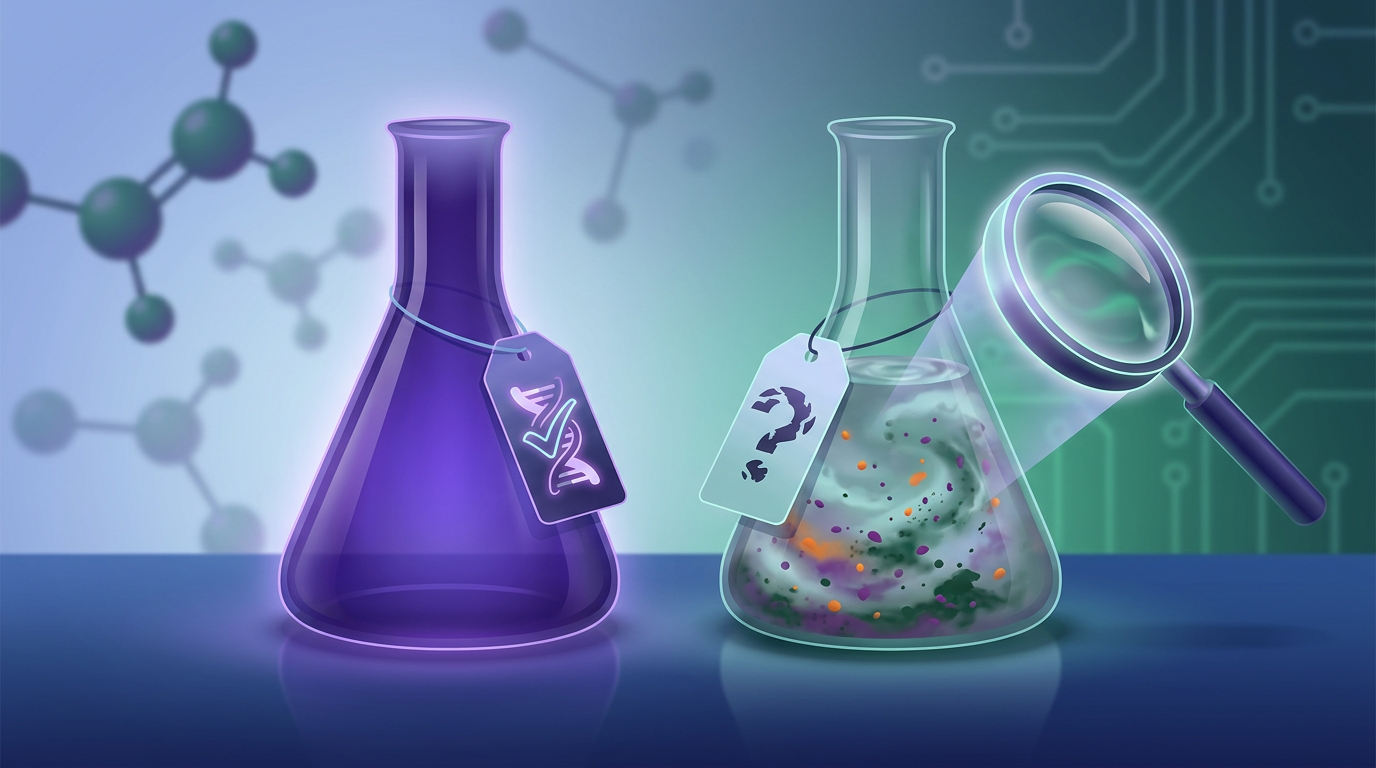
While HPLC is foundational, it is often used in conjunction with other analytical techniques for a comprehensive assessment of peptide quality.
| Method | Primary Function | Advantages | Limitations | Complement to HPLC | | :---------------------- | :----------------------------------------------------- | :--------------------------------------------------------------------------- | :------------------------------------------------------------------------------- | :-------------------------------------------------------------------------------- | | **HPLC** | Purity, Identity (retention time), Quantification | High resolution, quantitative, versatile detectors, widely available | Can't confirm exact sequence, sensitivity to matrix effects | Gold standard for purity, foundational | | **Mass Spectrometry (MS)** | Exact molecular mass, sequence confirmation | Definitive identity, detects subtle modifications, high sensitivity | Requires ionization, less quantitative than HPLC for complex mixtures, expensive | **Excellent pairing (LC-MS)** for identity confirmation & impurity characterization | | **Amino Acid Analysis (AAA)** | Confirm amino acid composition (relative ratios) | Direct measure of building blocks, confirms hydrolysis products | Destructive, doesn't provide sequence, not good for impurities | Confirms bulk composition, supports BPC-157 identity | | **NMR Spectroscopy** | Structural elucidation, conformation | Detailed structural information, non-destructive | Low sensitivity, complex spectra for large peptides, expensive | Used for advanced structural studies of BPC-157, not routine purity | | **Capillary Electrophoresis (CE)** | Purity, charge heterogeneity | High efficiency, low sample volume, good for charge variants | Smaller sample capacity, can be less robust than HPLC | Alternative for purity, particularly for charge-based impurities |
While techniques like MS provide invaluable structural and identity confirmation, HPLC remains the gold standard for separating and quantifying components in a peptide sample, thus directly assessing purity. The combination of HPLC with MS (LC-MS) offers the most robust verification, providing both chromatographic purity and definitive molecular identification, which is especially important for complex peptides like BPC-157.
## Open Research Questions and Evidence Gaps for BPC-157
Despite the increasing interest in BPC-157, several critical research questions and evidence gaps persist, many of which are directly impacted by the quality of reference materials.
1. **Standardized Purity Thresholds:** What are the acceptable purity thresholds for BPC-157 for various types of *in vitro* and *in vivo* research models (e.g., cell culture, animal models of inflammation, tissue repair)? Is 95% sufficient, or are higher purities (e.g., 98% or 99%) necessary for certain sensitive assays? The literature lacks a consensus on this, leading to variability in reported *BPC-157 evidence*. 2. **Impurity Profiling and Biological Activity:** What are the common impurities found in BPC-157 synthetic preparations, and what are their individual biological activities or potential interactions with BPC-157? Understanding this could inform more targeted purification strategies and better interpret existing *BPC-157 evidence*. 3. **Stability under Research Conditions:** How stable is BPC-157 in different solvents, temperatures, and storage conditions over time, and how do degradation products impact its observed effects? Longitudinal HPLC studies are needed to provide robust data on BPC-157's stability profile, crucial for maintaining consistency across long-term experiments. 4. **Batch-to-Batch Variability:** Are there significant differences in purity profiles or post-synthesis modifications across different batches of BPC-157 from various suppliers? A systematic survey using HPLC and LC-MS could reveal critical variations that explain discrepancies in *BPC-157 evidence*. 5. **Long-Term *In Vitro* and *In Vivo* Exposure:** How do potential impurities, even at low levels, affect long-term research models? While acute effects might be dominated by the primary peptide, chronic exposure to impurities could lead to cumulative, confounding results.
Addressing these gaps requires a concerted effort within the research community to prioritize rigorous analytical validation and transparent reporting of peptide quality. For *BPC-157 evidence* to advance confidently, these questions must be systematically investigated.
## Risks and Evidence Gaps of Neglecting HPLC Verification
The risks associated with foregoing proper HPLC verification for BPC-157 are substantial and can undermine the very foundation of scientific inquiry.
* **Invalidation of Research Findings:** Experiments performed with impure BPC-157 may yield results that are not reproducible, leading to wasted time and resources and a loss of scientific credibility. The *BPC-157 evidence* generated becomes unreliable. * **Misdirection of Future Research:** Incorrect conclusions drawn from flawed data can steer subsequent research down unproductive paths, delaying progress and potentially leading to the pursuit of false leads. * **Safety Concerns in Advanced Models:** While primary *in vitro* models might be less sensitive to minor impurities, *in vivo* research models introduce systemic effects where even trace contaminants could elicit unforeseen responses, confounding toxicology and efficacy studies. For example, a minor impurity might be metabolically stable and accumulate. * **Inconsistent *BPC-157 Evidence* Across Studies:** Different laboratories using BPC-157 of varying purities will inevitably produce disparate results, making it difficult to build a coherent body of *BPC-157 evidence* and understand its true biological profile. * **Financial and Ethical Implications:** The investment in research is significant. Using unverified materials represents both a financial waste and an ethical lapse, as it consumes resources without generating reliable *BPC-157 evidence*.
An *evidence gap* exists in the widespread, explicit reporting of analytical data for every batch of BPC-157 used in published studies. While reputable suppliers provide Certificates of Analysis (CoAs), researchers should ideally confirm these through in-house or third-party verification, especially for critical experiments. The absence of such confirmatory data in many publications makes it challenging for others to assess the quality of the starting materials and thus the robustness of the *BPC-157 evidence*.
## Practical Laboratory Considerations for BPC-157 and HPLC
Implementing robust HPLC verification practices for BPC-157 requires careful planning and execution within the laboratory setting.
1. **Source Material Selection:** Always procure BPC-157 from suppliers that provide comprehensive Certificates of Analysis (CoAs) that include HPLC chromatograms and purity percentages, along with mass spectrometry data. Evaluate the supplier's reputation for quality control. 2. **In-House Verification:** For critical experiments, consider performing or outsourcing an independent HPLC analysis of each BPC-157 batch upon receipt. This guards against potential discrepancies between the supplier's CoA and the actual material received, or degradation during shipping and storage. 3. **Method Development & Validation:** If performing in-house HPLC, ensure that the method is appropriately developed and validated for BPC-157. This includes optimizing mobile phase composition, stationary phase, flow rate, temperature, and detection wavelength to achieve optimal separation and sensitivity. 4. **Standard Operating Procedures (SOPs):** Establish clear SOPs for receiving, storing, aliquoting, and analyzing BPC-157 and other peptide reference compounds. Detail the frequency of re-analysis, especially for long-term projects or after significant changes in storage conditions. 5. **Equipment Calibration and Maintenance:** Regular calibration and maintenance of HPLC systems are crucial for obtaining accurate and reproducible results. This includes pump pressure checks, detector calibration, and column conditioning/replacement. 6. **Data Interpretation:** Train laboratory personnel in the correct interpretation of HPLC chromatograms, including identifying the main peak, quantifying impurities, and understanding the implications of peak shape anomalies. 7. **Reporting:** When publishing *BPC-157 evidence*, always include a clear statement about the purity and identity of the BPC-157 used, ideally referencing the CoA or providing relevant chromatographic data in supplementary materials. This enhances transparency and allows for better evaluation of the reported *BPC-157 evidence*.
## FAQ Section: Understanding HPLC and BPC-157 Purity
### How frequently should BPC-157 be re-verified by HPLC in research?
The frequency of re-verification depends on storage conditions, the intended duration of use, and the criticality of the experiments. For short-term use (e.g., within a few weeks) and proper storage (e.g., -20°C or -80°C, desiccated), the initial HPLC verification may suffice. However, for long-term studies, or if there is any suspicion of degradation (e.g., changes in appearance, solubility), re-verification every 3-6 months is prudent. Aliquoting stock solutions can also help minimize freeze-thaw cycles and reduce degradation, but these aliquots should also be verified if stored for extended periods.
### What specific impurities are commonly found in BPC-157 samples?
Common impurities in synthetic peptides like BPC-157 include deletion sequences (peptides missing one or more amino acids), truncated peptides (incomplete sequences), side-chain modifications (e.g., oxidation of methionine, deamidation of asparagine/glutamine), and residual protecting groups or counterions from the synthesis and purification process. Dimerization or aggregation products can also form, especially during storage. HPLC, particularly when coupled with mass spectrometry, is essential for identifying and quantifying these specific impurities.
### Can UV spectroscopy alone confirm BPC-157 purity?