
Peptide research publication
Peptide science, written for people who read the studies
Independent peptide research reference: literature-reported dosage ranges, reconstitution maths, GLP-1 and longevity evidence, and verified supplier checks.
- What you get: cited evidence, research ranges and mixing maths per compound.
- Who it's for: researchers and readers who want sources, not sales talk.
- Why trust it: we sell nothing — every figure links to its source.
Most looked up right now
Start here
Find what the research says for your question

Which peptides match my research?
Four questions, then a personalised reading list of the compounds most studied in your area.
OpenCompound research briefs
One page per compound: class, half-life, mechanism and the documentation to insist on.
OpenWhat the studies actually used
Literature-reported ranges, frequencies and study lengths for every compound — with the model and the caveats attached.
OpenReconstitution calculator
Concentration, draw volume and syringe units for a reconstituted research vial.
OpenFrom reading to sourcing — three steps
Research protocols
What the studies actually used — A to Z
Literature-reported ranges, frequencies and study lengths for every compound. Pick a letter to jump straight to a protocol.
Small-molecule NNMT inhibitor
5-Amino-1MQ
5-Amino-1MQ inhibits nicotinamide N-methyltransferase, an enzyme implicated in adipocyte metabolism. The literature is mouse work plus enzyme kinetics; there is no published human study.
Soluble activin receptor type IIB fused to an IgG1 Fc domain (myostatin trap)
ACE-031 · Ramatercept, ActRIIB-Fc
ACE-031 is a decoy receptor that binds myostatin and related ligands before they reach muscle. It reached phase 2 in Duchenne muscular dystrophy before the programme was halted over vascular safety signals — nosebleeds and telangiectasia — giving it an unusually well documented human record for a compound of this type.
Dilute acid diluent for poorly water-soluble peptides
Acetic Acid (dilute, for reconstitution)
Some peptides — IGF-1 analogues most notably — do not dissolve or remain stable in neutral water. Published handling protocols use dilute acetic acid to bring them into solution before further dilution.
Cyclic Semax analogue (cyclo-prolylglycine related)
Adamax
Adamax is sold as a modified, more stable Semax analogue. There is effectively no indexed peer-reviewed literature under this name, and that absence is the single most important thing to know about it.

Metabolic Research · 11 Oct 2026
The New Wave of Peptides Everyone Will Be Talking About
Amycretin, eloralintide, pemvidutide and more: the next-generation peptides posting some of the biggest trial results ever seen — and why they matter.
If you thought the first GLP-1 compounds were the whole story, buckle up. A new generation of peptides is coming through clinical trials right now, and some of the numbers are genuinely jaw-dropping. None of these are on our protocol pages yet — so here's your first look at the names you'll be hearing everywhere soon.
Continue readingFeatured articles

Metabolic Research
Incretin Peptide Research in 2026: Single, Dual and Triple Agonists Compared
An evidence-led 2026 update on how single (GLP1), dual (GLP2) and triple (GLP3) incretin receptor agonists differ mechanistically in preclinical metabolic research.
Longevity Research
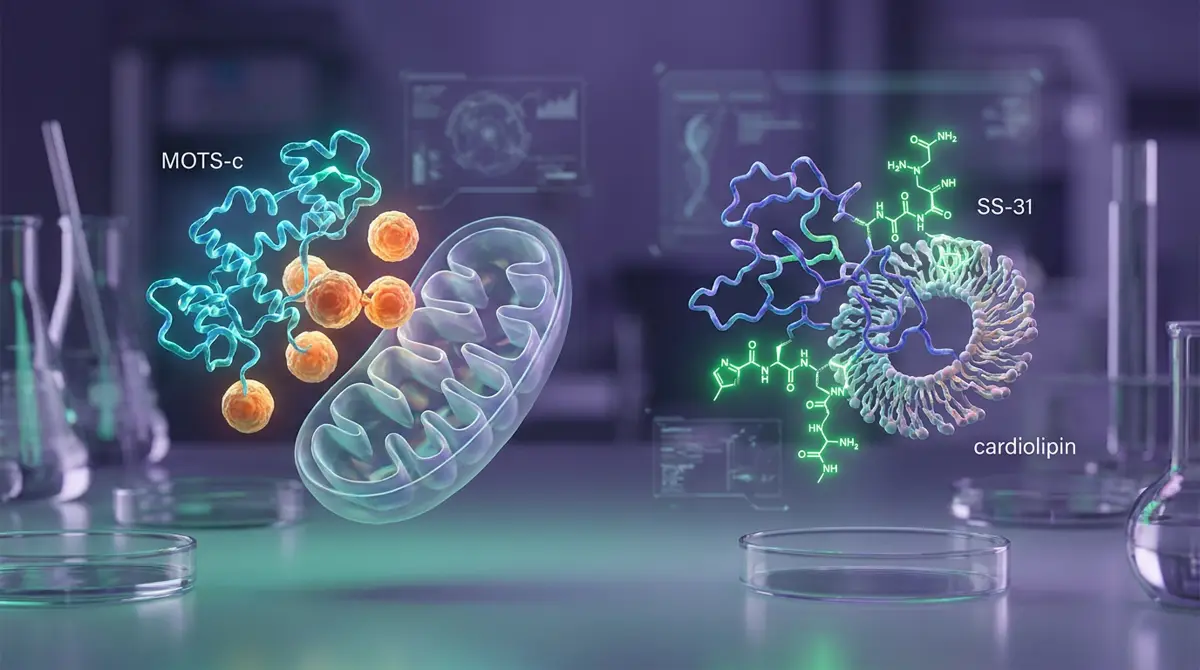
Mitochondrial Peptides: MOTS-c and SS-31 in Longevity Research
What current preclinical evidence says about mitochondrial-derived peptide MOTS-c and the cardiolipin-binding tetrapeptide SS-31 in ageing and metabolic-stress models.

Regenerative Research
Immune-Modulating Peptides: KPV and Thymosin Alpha-1 in Inflammation Research
A mechanistic comparison of the tripeptide KPV and Thymosin Alpha-1 across published inflammation, mucosal-barrier and immune-signalling research models.
Regenerative Research
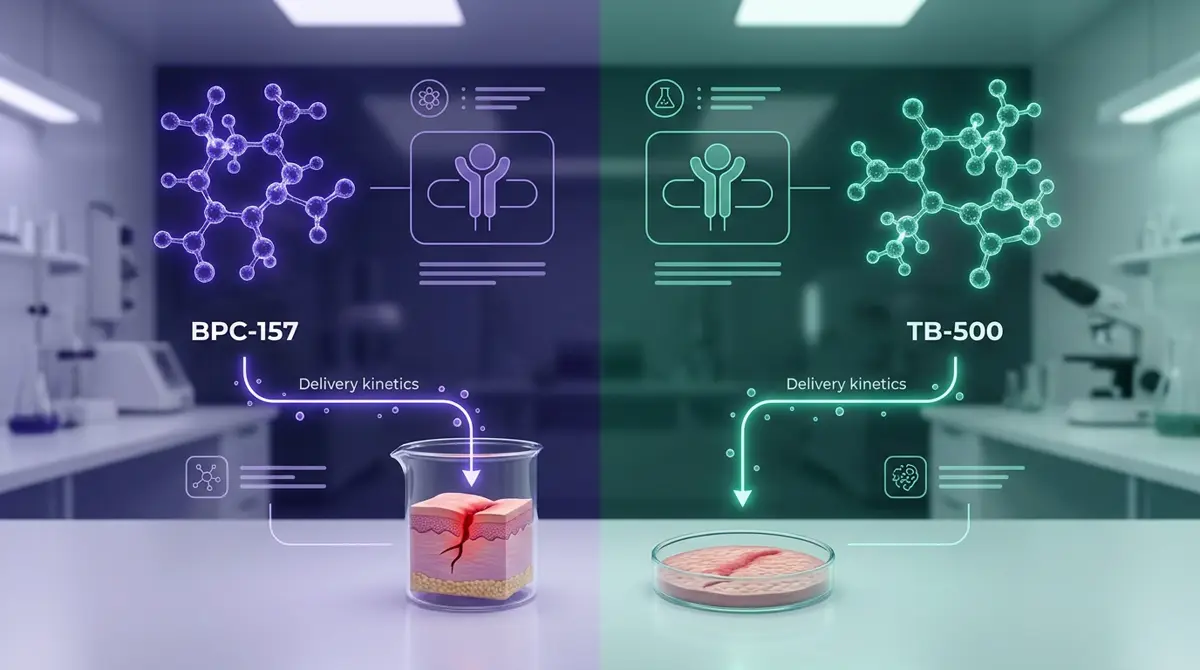
BPC-157 vs TB-500: A Comparative Research Guide
Side-by-side mechanistic comparison of BPC-157 and TB-500 in tissue-repair research models, including receptor targets, delivery kinetics and typical study designs.
Sourcing research material?
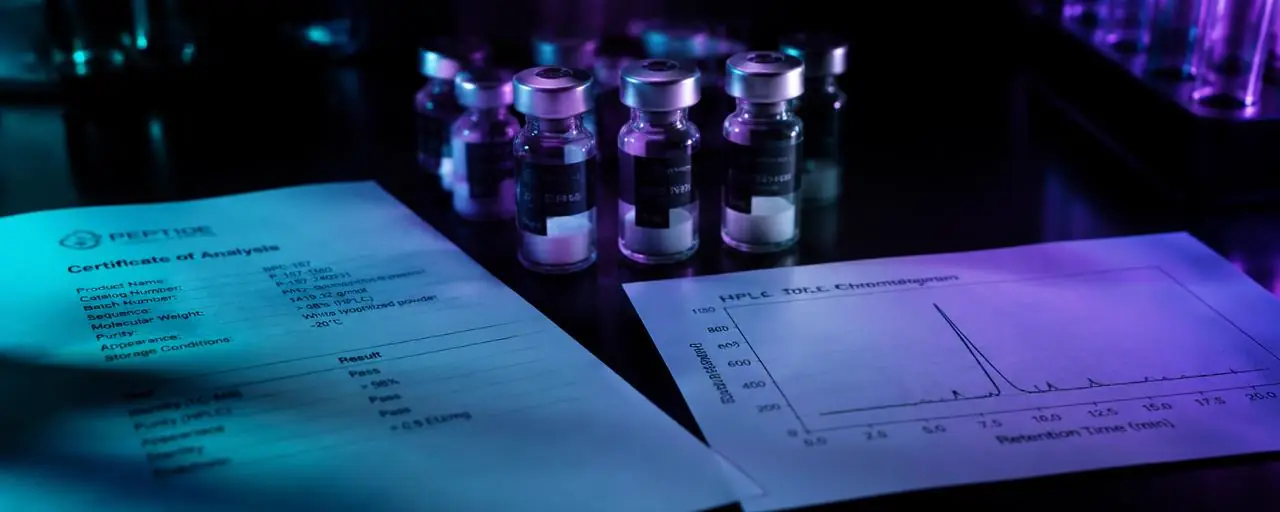
We check supplier documentation — certificates of analysis, third-party testing, manufacturing standards — before anyone is listed. Start with the ones that passed.
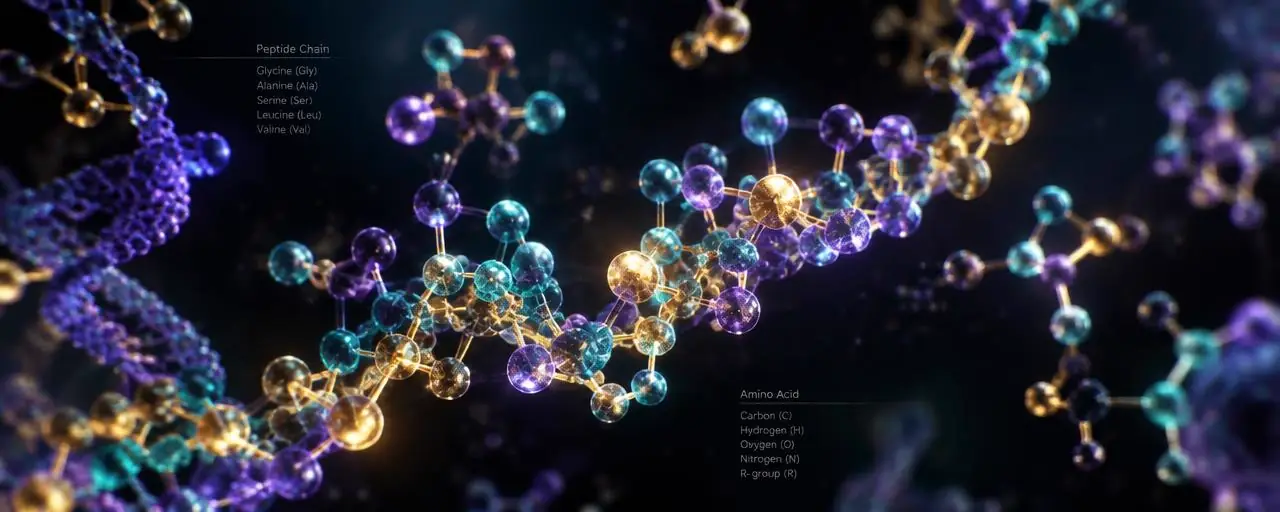

The science is international; the rules are not. These guides explain who regulates research materials in each market, where the research is done, and how local terminology differs.
Latest articles
All articles
Regenerative Research · 17 Jul 2026
Peptide Reconstitution: A Laboratory Reconstitution Guide
Bench guide to reconstituting lyophilised research peptides — solvent choice, mixing technique, concentration math and cold-chain storage.
Read
Regenerative Research · 16 Jul 2026
HPLC ≥99% Purity: What the Number Actually Means
How high-performance liquid chromatography quantifies research-peptide purity, why the 99% threshold matters, and what to check on a COA.
Read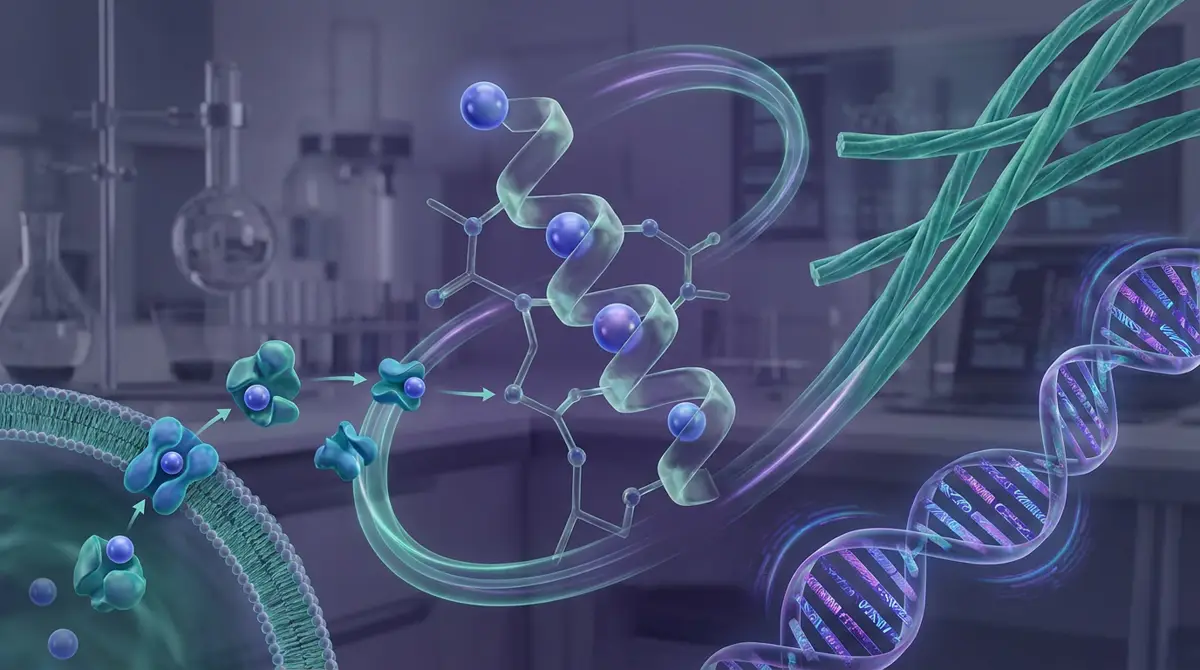
Cosmetic Research · 15 Jul 2026
GHK-Cu: The Copper Peptide in Cosmetic and Skin-Repair Research
Mechanistic overview of GHK-Cu, the tripeptide-copper complex most cited in dermal-fibroblast and extracellular-matrix research.
Read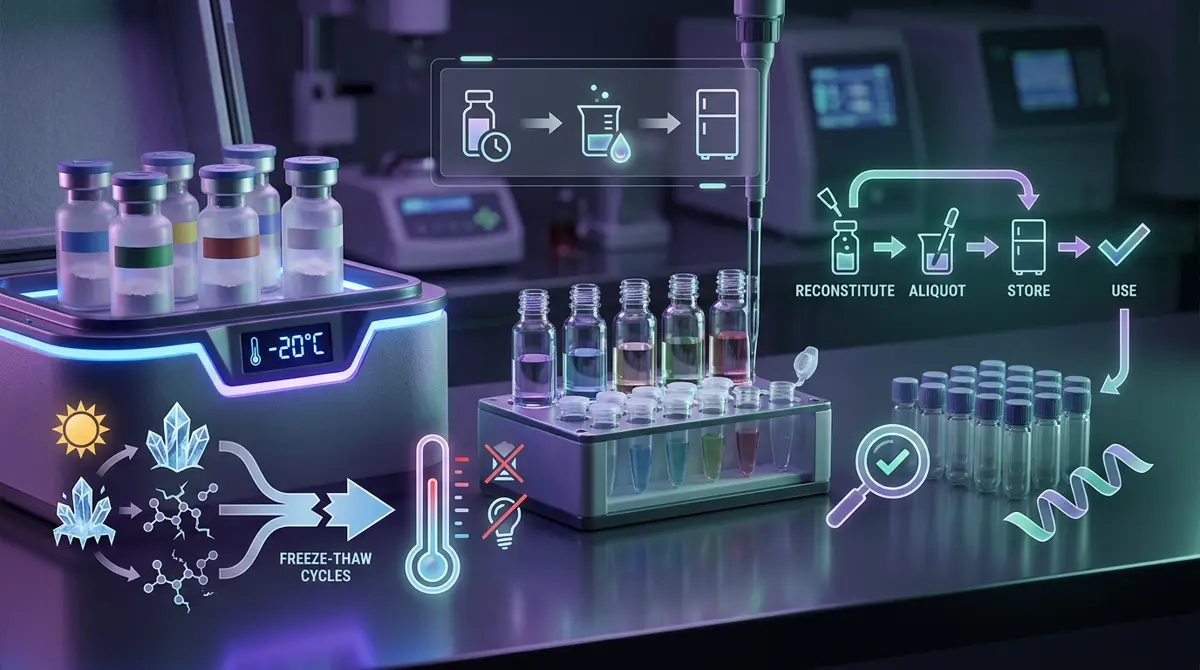
Regenerative Research · 14 Jul 2026
Cold-Chain Storage for Research Peptides: A Practical Bench Guide
How temperature, light and freeze-thaw cycles affect lyophilised and reconstituted research peptides, with practical bench recommendations.
Read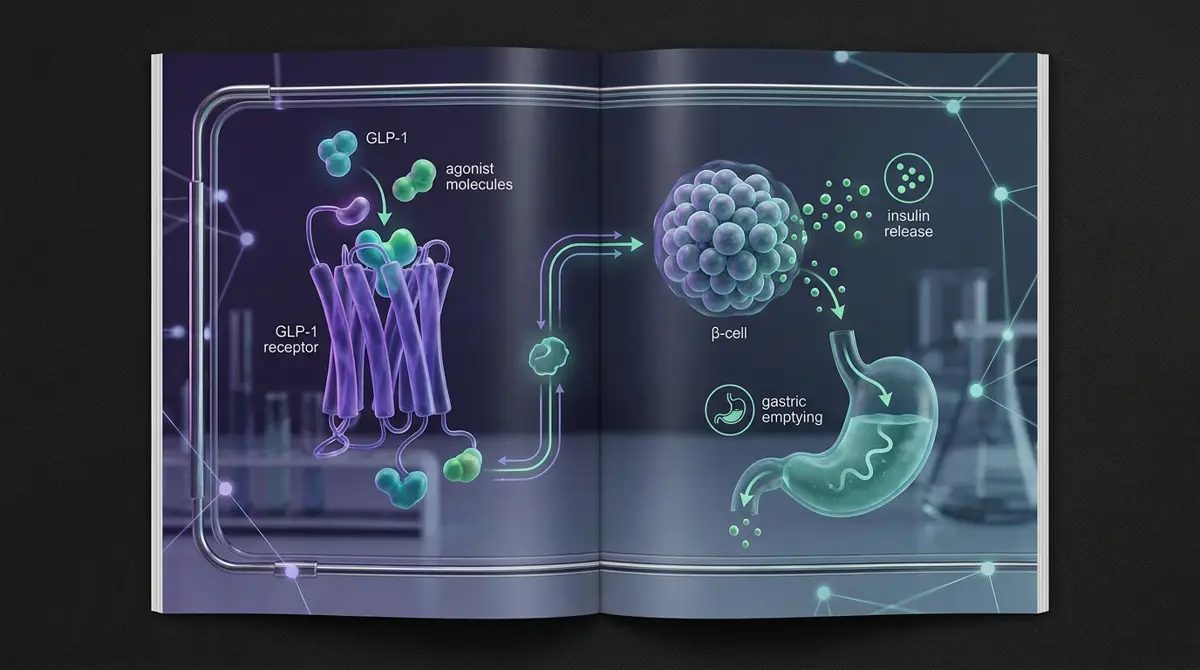
Metabolic Research · 23 May 2026
GLP-1 Receptor Agonists: A Mechanistic Overview for Researchers
How GLP-1 receptor agonists modulate incretin signalling, β-cell function and gastric emptying in laboratory research models.
Read
Regenerative Research · 22 May 2026
BPC-157 Peptide Research: What the Tissue-Repair Literature Shows
An evidence review of BPC-157 peptide research: tendon, muscle and gut repair models, proposed mechanisms, the very limited human data, and cited sources.
Read
Growth Hormone Research · 21 May 2026
Ipamorelin and CJC-1295: Growth Hormone Secretagogue Research
How ipamorelin, a selective ghrelin-receptor agonist, and the GHRH analogue CJC-1295 are paired in growth-hormone pulse research, and what studies report.
Read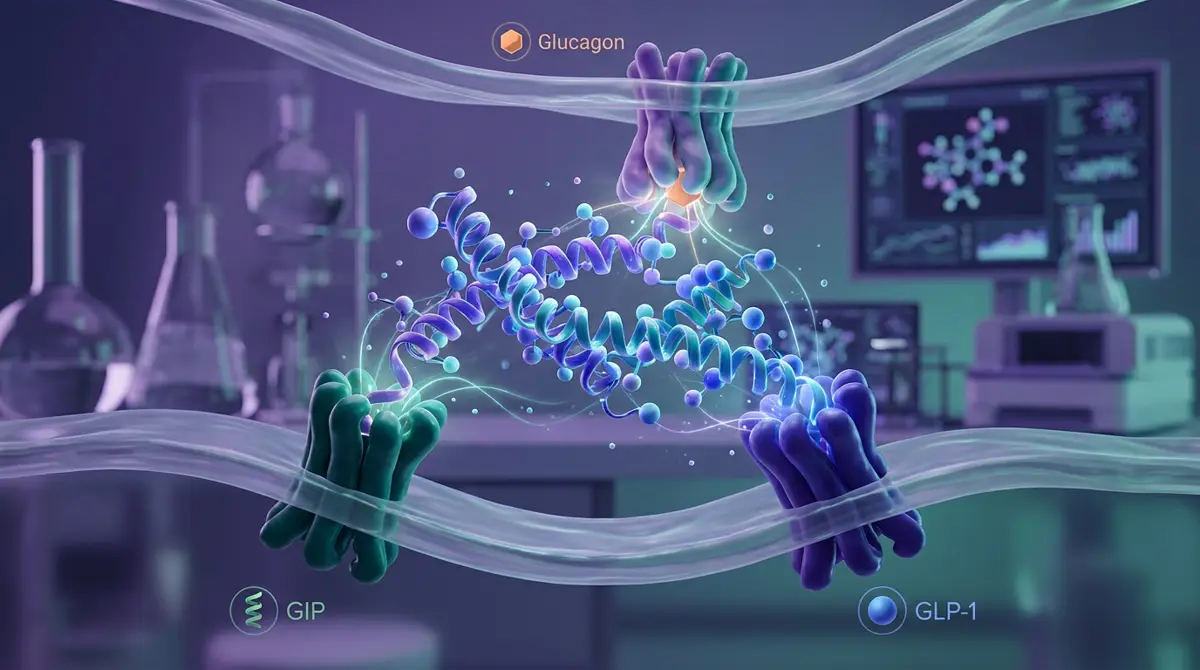
Metabolic Research · 20 May 2026
Retatrutide: Triple-Agonist Peptide in Metabolic Research
A primer on Retatrutide — the GIP/GLP-1/glucagon triple receptor agonist attracting growing preclinical interest.
Read
Local Research · 19 May 2026
The Peptide Research Scene on the Costa del Sol
How independent researchers and longevity laboratories along the Costa del Sol source reference-grade peptides locally.
Read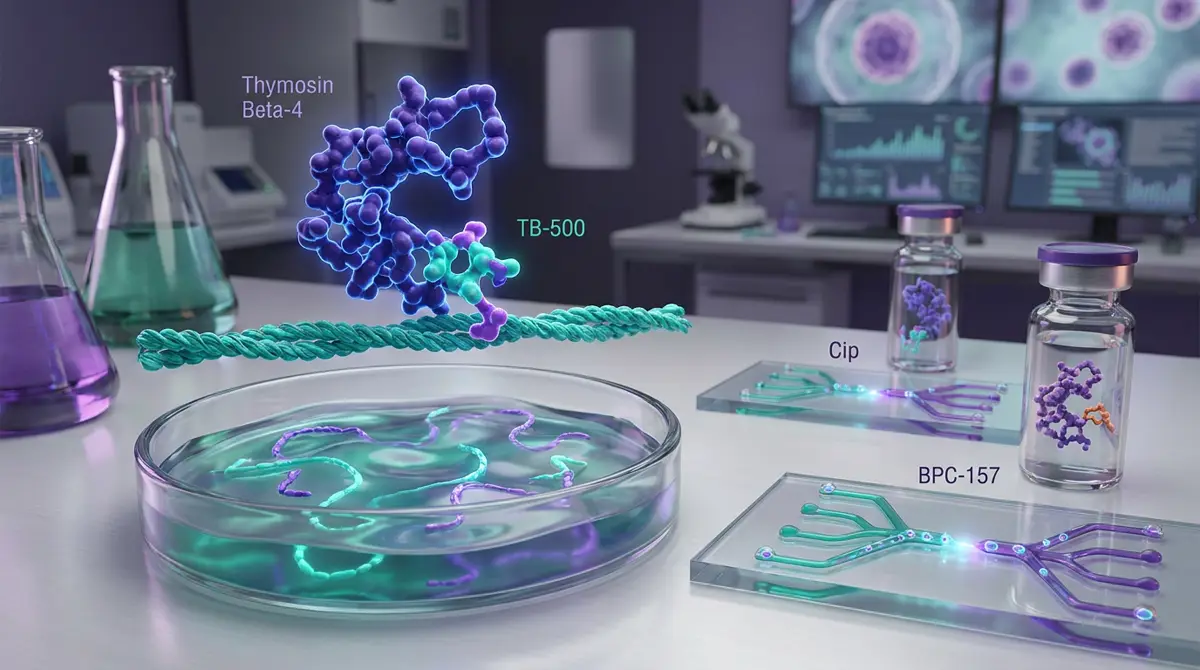
Regenerative Research · 18 May 2026
TB-500 and Thymosin Beta-4: Migration and Repair Research
TB-500, the actin-binding fragment of thymosin beta-4: how it is studied in cell migration and angiogenesis models, and how it compares with BPC-157.
ReadRegenerative Research · 17 May 2026
GHK-Cu: The Copper Peptide in Cosmetic and Skin-Biology Research
An overview of GHK-Cu's role in dermal-research models — copper transport, collagen biology and gene-expression signatures.
Read
Cognitive Research · 16 May 2026
Selank and Semax: Heptapeptides in Cognitive Research
How the Russian-developed heptapeptides Selank and Semax are used in CNS, neurotrophic and stress-response research.
ReadFrom the research library

What Is BPC-157? Mechanisms, Evidence and Research Gaps
BPC-157 is a synthetic 15–amino-acid peptide derived from a sequence identified in human gastric juice. It is investigated for tissue repair, angiogenesis and gut barrier function. Almost all published evidence comes from rodent models; controlled human data is very limited, and long-term safety has not been characterised.
What Is TB-500? Thymosin Beta-4 Research Explained
TB-500 is a synthetic fragment of thymosin beta-4, a naturally occurring actin-sequestering protein involved in cell migration and wound repair. Research has focused on wound healing, corneal injury and cardiac repair. Thymosin beta-4 itself reached early human trials; the TB-500 fragment sold for laboratory use has not.
How GHK-Cu Works: Copper Peptide Research Explained
GHK-Cu is a naturally occurring copper-binding tripeptide (glycyl-L-histidyl-L-lysine) found in human plasma, saliva and urine. Plasma levels fall with age, which prompted research into skin remodelling, wound repair and gene expression. It has the strongest human evidence base of the classic repair peptides, largely from dermatology.
KPV Peptide Research: Anti-Inflammatory Tripeptide Explained
KPV is the C-terminal tripeptide fragment (lysine–proline–valine) of alpha-melanocyte-stimulating hormone. It retains much of the parent hormone's anti-inflammatory signalling without its pigmentary effects. Research is concentrated in experimental colitis and dermatitis models; human trials are minimal.
MOTS-c Research: Mitochondrial-Derived Peptide Explained
MOTS-c is a 16–amino-acid peptide encoded within the mitochondrial 12S rRNA gene — one of the first recognised mitochondrial-derived peptides. Research links it to AMPK activation, metabolic flexibility and exercise adaptation. Nearly all functional data comes from cell and rodent work; human research is observational.
SS-31 (Elamipretide): Cardiolipin-Targeted Peptide Research
SS-31, developed clinically as elamipretide, is a cell-permeable tetrapeptide that concentrates in the inner mitochondrial membrane and binds cardiolipin. It is one of the few research peptides with a substantial registered clinical trial programme, most notably in primary mitochondrial myopathy and Barth syndrome, with mixed results.
How these articles are written

- Laboratory, animal and human evidence are reported separately, and the article says plainly where the evidence stops.
- Every claim links to the published source — PubMed, ClinicalTrials.gov or the journal itself.
- Educational only. Nothing here is medical advice, a protocol or a dosing recommendation.
Done reading? See which suppliers passed our checks.
Every listing shows the documentation we reviewed and when it was last checked.
Weekly newsletter + free 28-page PDF guide
One email a week from the lab, plus our Storage & Reconstitution guide sent instantly.
One-click unsubscribe in every email.