

Immune Research
KPV and Anti-Inflammatory Peptide Signalling: HPLC Tested Peptides
·Educational reference
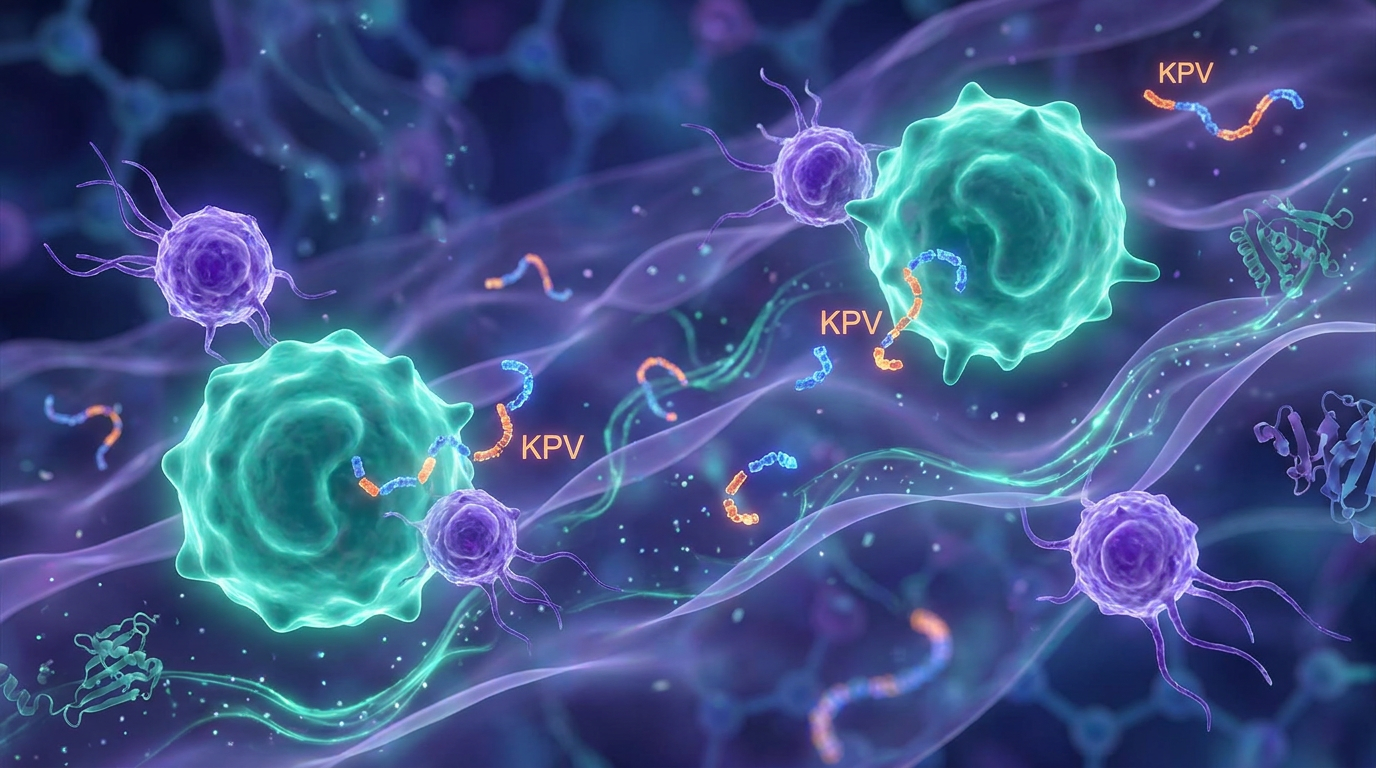
This article delves into the burgeoning research surrounding KPV, a tripeptide recognized for its potent anti-inflammatory properties. Derived from the alpha-melanocyte stimulating hormone (α-MSH), KPV has garnered significant attention across various research models for its ability to modulate immune responses and mitigate inflammatory processes. Our exploration focuses on its proposed mechanisms of action, the breadth of preclinical studies investigating its effects, and the critical importance of utilizing high-quality, HPLC tested peptides to ensure the integrity and reproducibility of research findings in this field.
KPV, a naturally occurring fragment, represents a fascinating area of study in peptide research. Its compact structure belies a complex interaction with cellular pathways, making it a compelling subject for understanding inflammation at a molecular level. The consistent quality provided by HPLC tested peptides is fundamental to deciphering these intricate biological interactions accurately. The insights gained from well-executed research could potentially inform future avenues for managing inflammatory conditions.
## What is KPV? Delving into HPLC Tested Peptides
KPV is a tripeptide composed of the amino acids Lysine-Proline-Valine (Lys-Pro-Val). It constitutes the C-terminal sequence of α-melanocyte stimulating hormone (α-MSH), a larger neuropeptide hormone with diverse physiological functions, including pigmentation, appetite regulation, and significant anti-inflammatory and immunomodulatory activities. While α-MSH exerts its effects primarily through melanocortin receptors (MCRs), particularly MC1R, MC3R, and MC4R, KPV appears to operate through both MC-receptor-dependent and independent pathways, suggesting a nuanced mechanism of action that extends beyond simple receptor agonism. Its relatively small size and stability make it an attractive candidate for research investigations into targeted anti-inflammatory strategies. The purity and identity of such peptides, confirmed through methods like High-Performance Liquid Chromatography (HPLC), are paramount for accurate research.
The utility of HPLC tested peptides in discerning the specific biological activities of KPV cannot be overstated. Impurities or degradation products can confound experimental results, leading to misinterpretations of KPV's true effects. Therefore, researchers consistently rely on suppliers who provide detailed analytical reports, including HPLC chromatograms, to verify the purity and identity of the peptide samples. This rigorous quality control ensures that any observed effects can be reliably attributed to KPV itself, rather than to contaminants. The structural integrity and sequence confirmation are vital initial steps in any robust peptide research program.
## Mechanism of Action: How KPV Modulates Inflammation
The anti-inflammatory mechanisms of KPV are multifaceted and continue to be an active area of investigation. Research suggests that KPV can exert its effects both intracellularly and via interactions with cell surface receptors. One primary mechanism involves the inhibition of nuclear factor kappa-light-chain-enhancer of activated B cells (NF-κB) activation. NF-κB is a crucial transcription factor that plays a central role in regulating immune responses and inflammation by controlling the expression of various pro-inflammatory genes, including those for cytokines, chemokines, and adhesion molecules.
Studies indicate that KPV can enter cells and directly interact with components of the NF-κB pathway. For example, some research points to KPV's ability to inhibit IκB kinase (IKK), an enzyme complex responsible for phosphorylating IκB, a protein that sequesters NF-κB in the cytoplasm. By inhibiting IKK, KPV prevents the degradation of IκB, thereby keeping NF-κB inactive and suppressing the transcription of pro-inflammatory mediators. This intracellular action highlights a unique aspect of KPV's anti-inflammatory profile, distinguishing it from peptides that solely act on cell surface receptors. The use of HPLC tested peptides in these studies ensures that the observed intracellular effects are genuinely due to KPV, free from confounding factors.
Beyond NF-κB inhibition, KPV has also been shown to modulate other inflammatory pathways. It can influence the production of various cytokines, decreasing pro-inflammatory cytokines such as TNF-α, IL-1β, and IL-6, while potentially increasing anti-inflammatory cytokines like IL-10. Some evidence also suggests KPV's involvement in modulating mitogen-activated protein kinase (MAPK) pathways, which are critical in cellular responses to stress and inflammation. The peptide may also directly affect immune cell function, influencing macrophage polarization or T-cell activation, contributing to an overall anti-inflammatory shift in immune responses. Further research using well-characterized, HPLC tested peptides is essential to fully elucidate these intricate mechanisms and their interplay.
## What the Research Shows: Applications of HPLC Tested Peptides
Research into KPV's anti-inflammatory properties spans a wide array of disease models, providing a comprehensive picture of its potential utility. The following table summarizes key findings across various study types:
| Research Area | Model Type | Key Findings (Year) The following is a list of the studies and types of models used to investigate the properties of KPV, highlighting the role of HPLC tested peptides in these experiments:
* **Cell Culture Models (e.g., Macrophages, Keratinocytes, Fibroblasts):** *In vitro* studies consistently demonstrate KPV's ability to reduce the production of pro-inflammatory cytokines (e.g., TNF-α, IL-1β, IL-6) and chemokines while often upregulating anti-inflammatory mediators (e.g., IL-10). These investigations frequently focus on elucidating the intracellular signaling pathways, such as NF-κB and MAPK, that KPV modulates. (e.g., Luger et al., 2000; Catania et al., 2004; Böhm et al., 2011). The precision offered by HPLC tested peptides allows for clear attribution of these cellular effects. * **Skin Inflammation Models (e.g., Contact Hypersensitivity, Psoriasis-like models):** Topical or systemic administration of KPV in animal models has shown promising results in reducing skin inflammation, erythema, edema, and cellular infiltration. These studies suggest KPV's potential in dermatological conditions. (e.g., Konda et al., 1999; Starz et al., 2006; Han et al., 2010). The consistency of HPLC tested peptides is vital for reproducible *in vivo* dermatological studies. * **Inflammatory Bowel Disease (IBD) Models (e.g., DSS-induced colitis):** Research in models of intestinal inflammation indicates that KPV can ameliorate colonic damage, reduce inflammatory cell infiltration, and restore gut barrier function, pointing to its potential in gastrointestinal inflammatory disorders. (e.g., Muehlich et al., 2010; Schneider et al., 2015). Reliable, HPLC tested peptides are critical for discerning specific peptide effects within complex gastrointestinal environments. * **Ocular Inflammation Models (e.g., Endotoxin-induced uveitis):** Studies have demonstrated KPV's ability to suppress inflammatory responses in the eye, reducing immune cell infiltration and cytokine production, suggesting its relevance for ocular inflammatory conditions. (e.g., Starz et al., 2008). * **Joint Inflammation Models (e.g., Arthritis models):** Preliminary investigations have explored KPV's effects in reducing inflammation and tissue damage in models of arthritis, showcasing its broad anti-inflammatory potential. (e.g., Spandau et al., 2011).
The overarching theme from these diverse research models is KPV's consistent ability to attenuate inflammatory responses across different tissue types and disease etiologies. The utilization of HPLC tested peptides in these studies is a critical quality assurance measure, ensuring that the biological activity observed is indeed attributable to KPV and not to impurities or degradation products, thereby strengthening the validity and reproducibility of the research findings. Reproducibility is a cornerstone of scientific advancement, and purity directly impacts this.
## Comparisons: KPV Versus Larger α-MSH Fragments

While KPV is a C-terminal fragment of α-MSH, its anti-inflammatory profile shares similarities with the parent hormone and other α-MSH-derived peptides, such as the (1-13) and (4-10) fragments. However, key distinctions exist that make KPV a unique subject of research:
* **Receptor Interaction Profile:** Full-length α-MSH and its (1-13) fragment primarily exert their anti-inflammatory effects by binding to melanocortin receptors, especially MC1R. KPV, while sometimes showing weak affinity for MC1R, has demonstrated significant anti-inflammatory activity even in cells lacking or depleted of MCRs, suggesting alternative, possibly intracellular, mechanisms. This independence from canonical MCR signaling is a significant differentiating factor. * **Cellular Permeability:** KPV's small size and specific amino acid sequence appear to facilitate its entry into cells, allowing for direct interaction with intracellular targets like the NF-κB pathway components. This intracellular mode of action contrasts with larger peptides that might predominantly signal via surface receptors. * **Stability and Pharmacokinetics:** As a smaller peptide, KPV might possess different stability and pharmacokinetic profiles compared to larger α-MSH fragments, potentially influencing its research efficacy and half-life in various models. Further research is needed to fully characterize these differences.
These distinctions underscore the importance of studying KPV as a distinct entity with its own specific therapeutic research potential. Understanding these differences, particularly regarding receptor engagement and intracellular access, is crucial for optimizing its potential applications. The rigorous characterization afforded by HPLC tested peptides is indispensable when performing comparative studies, ensuring that any observed differences in biological activity are due to structural variations in the peptides themselves, rather than batch-to-batch variability or impurities. Maintaining high purity levels across all peptide variants is essential for drawing accurate conclusions.
## Open Research Questions and Current Evidence Gaps in KPV Studies
Despite the promising body of research on KPV's anti-inflammatory properties, several critical questions remain unanswered, pointing to significant evidence gaps that future research using HPLC tested peptides should address:
* **Full Elucidation of Intracellular Targets:** While NF-κB inhibition is well-documented, the precise molecular targets and direct binding partners of KPV within the cell are not fully identified. A comprehensive understanding of its interactome is necessary. * **Receptor-Independent Mechanisms:** The extent and molecular details of KPV's MCR-independent anti-inflammatory effects require further investigation. What are the alternative cell surface receptors or transporter systems, if any, involved in its action or cellular uptake? * **Pharmacokinetic and Pharmacodynamic Profiling:** Detailed *in vivo* pharmacokinetic (absorption, distribution, metabolism, excretion) and pharmacodynamic studies in various models are sparse. Understanding KPV's systemic behavior, optimal administration routes, and duration of action is crucial for its research progression. * **Dose-Response Relationships and Efficacy in Chronic Models:** While acute inflammation models have shown strong results, more research is needed to evaluate KPV's efficacy and optimal dosing in chronic inflammatory conditions in long-term models. The impact of sustained exposure on cell pathways needs careful study. * **Combinatorial Approaches:** Research into KPV's synergistic potential with other anti-inflammatory agents or peptides is largely unexplored. Could KPV enhance the effects of other compounds, leading to more potent or targeted interventions? This could open new avenues for research. * **Tissue Specificity and Cell Type Response:** While broad anti-inflammatory effects are observed, the nuances of KPV's action in different tissues and specific cell populations (e.g., distinct macrophage subtypes, T-cell subsets) warrant deeper investigation. Understanding cell-specific responses is critical. * **Safety Profile and Potential Side Effects in Broader Models:** While generally considered safe in current research, a more comprehensive safety and toxicology assessment in diverse models, especially with chronic administration, is essential to understand potential off-target effects.
Addressing these research questions will require sophisticated experimental designs and, critically, the use of highly characterized, HPLC tested peptides to ensure that results are robust, reproducible, and can contribute meaningfully to the advancement of KPV research. The consistency of the research material directly impacts the reliability of the scientific process.
## Risks and Evidence Gaps: The Importance of Quality Control for HPLC Tested Peptides
As with any research peptide, the investigation of KPV carries inherent risks if the quality and characterization of the peptide are not meticulously controlled. The primary risk in peptide research stems from the use of impure or inaccurately synthesized peptides. This risk is particularly pronounced when discussing HPLC tested peptides.
Key risks and evidence gaps related to peptide quality include:
* **Contaminant-Induced Artifacts:** Impurities (e.g., truncated sequences, incorrect amino acid substitutions, residual reagents) can elicit biological effects that are erroneously attributed to the intended peptide. This leads to false positives or misleading results, wasting research resources and time. High-quality HPLC tested peptides mitigate this by providing a clear purity profile. * **Reduced Potency and Efficacy:** Degradation products or lower-purity peptides may exhibit diminished biological activity, leading to underestimation of KPV's true potential or incorrect conclusions regarding dose-response relationships. This can necessitate higher, potentially confounding, concentrations for research. * **Lack of Reproducibility:** Variances in peptide purity between batches or suppliers directly contribute to the reproducibility crisis in research. If researchers use peptides of differing quality, their results may not be comparable or repeatable, impeding scientific progress. * **Immunogenicity:** While KPV is a small peptide and generally considered less immunogenic than larger proteins, impurities could theoretically elicit unexpected immune responses in *in vivo* models, complicating interpretation. * **Incorrect Identity:** A peptide may be mislabeled or incorrectly synthesized, leading to studies on an entirely different compound. Mass spectrometry and HPLC are crucial for verifying the correct identity of the peptide.
The evidence gap here centers on the *absence* of robust quality control data. Without detailed analytical reports, including HPLC chromatograms, mass spectrometry data, and amino acid analysis, researchers operate with an inherent uncertainty about their experimental material. This uncertainty undermines the scientific rigor of their work. Therefore, the consistent demand for and provision of HPLC tested peptides is not merely a preference but a fundamental requirement for ethical and effective peptide research. This diligence ensures that scientific findings are attributable to the peptide under investigation, promoting reliable and trustworthy data generation.
## Practical Laboratory Considerations for Handling HPLC Tested Peptides
Proper handling and storage of KPV and other HPLC tested peptides are crucial for maintaining their integrity and ensuring reproducible experimental results. Researchers must adhere to best practices throughout the peptide's lifecycle in the laboratory.
* **Storage:** Lyophilized (freeze-dried) KPV should be stored at -20°C or -80°C in a desiccated environment to prevent degradation from moisture. Repeated freeze-thaw cycles should be avoided for solutions. * **Reconstitution:** Peptides should be reconstituted in an appropriate solvent (e.g., sterile distilled water, PBS, or a small amount of acetic acid followed by dilution) immediately prior to use. The choice of solvent can impact stability and solubility. Sonicating briefly can aid dissolution. * **Aliquotting:** For long-term use, reconstitute the peptide and then divide it into single-use aliquots. This minimizes degradation due to repeated thawing and exposure to air. Store aliquots at -20°C or -80°C. * **Sterility:** For *in vivo* and cell culture applications, ensuring sterility during reconstitution and handling is paramount. Use sterile solvents, sterile equipment, and work in a laminar flow hood. * **Purity Documentation:** Always review the HPLC and Mass Spectrometry data provided by the supplier. This documentation is your assurance of quality and is essential for publications and reproducibility. Keep these records readily accessible with your experimental logs. * **Expiration Dates:** Be mindful of the peptide's recommended expiration or retest date. Even HPLC tested peptides can degrade over time, especially if not stored optimally. * **Weighing Accuracy:** Use a high-precision analytical balance for accurate weighing, especially when dealing with small peptide quantities. This directly impacts the final concentration of the stock solution.