
Quality & Methods
Optimizing Peptide Stability: GLP1 Research Compound Degradation Factors
·Educational reference
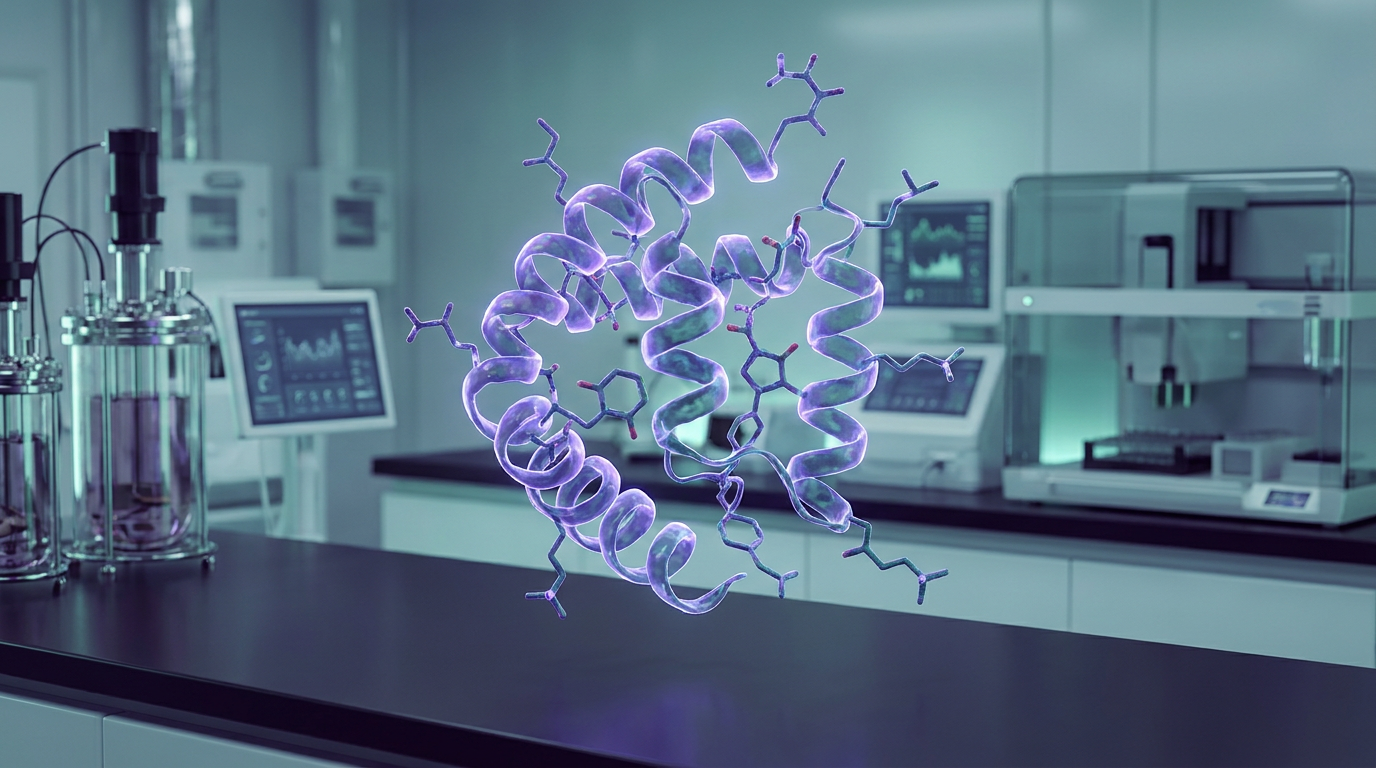
Peptide research necessitates meticulous attention to the integrity and stability of the compounds under investigation. The GLP1 research compound, a widely studied molecule for its physiological effects, is no exception. Maintaining the stability of such research compounds is paramount for ensuring reproducibility, accuracy, and validity in experimental results. Degradation of peptides can lead to altered biological activity, reduced potency, and the generation of confounding impurities, thereby compromising the scientific merit of any study.
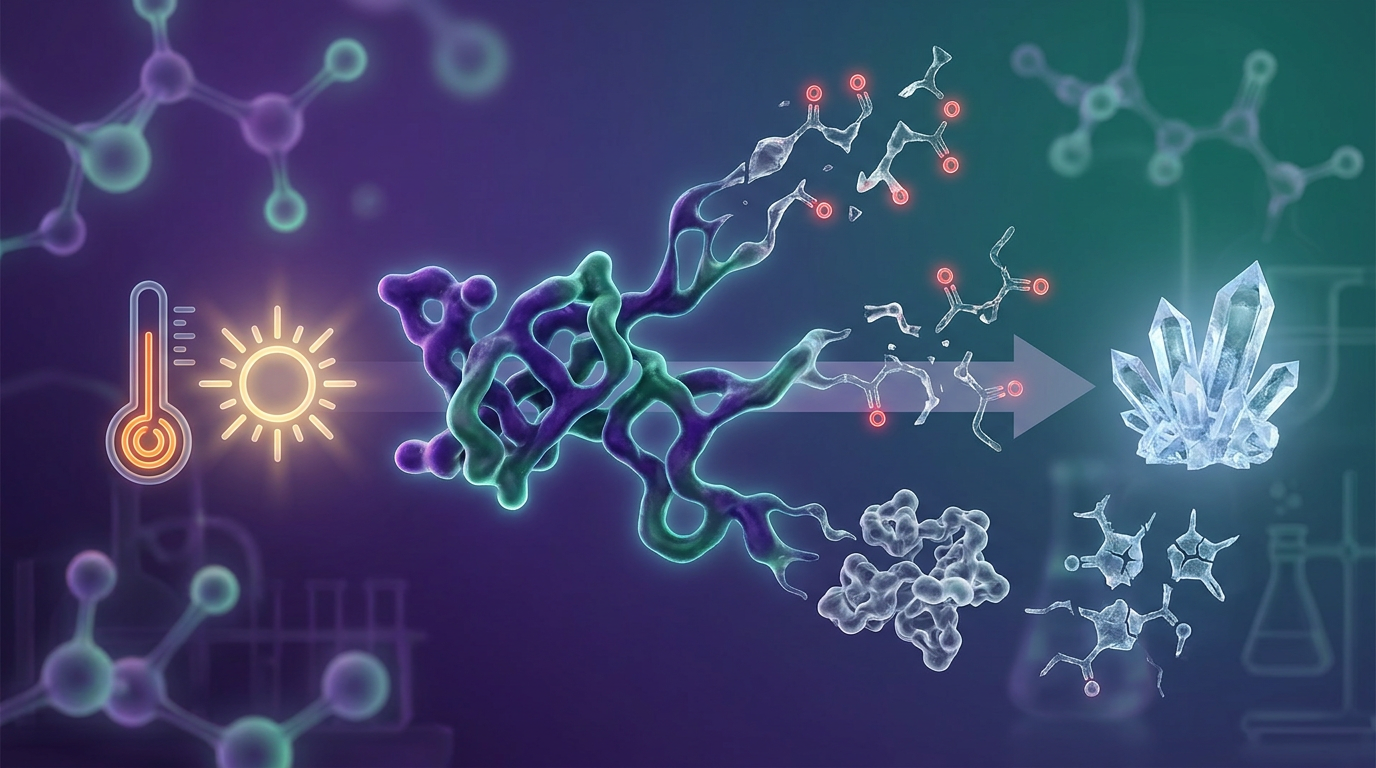
This article delves into the primary environmental stressors that impact peptide stability: temperature fluctuations, exposure to light, and the mechanical and chemical stresses associated with freeze-thaw cycles. Drawing upon established scientific literature and current research findings, we will examine the mechanisms by which these factors induce peptide degradation and discuss strategies employed in laboratory settings to mitigate these effects, specifically in the context of the GLP1 research compound and similar peptide structures. Understanding these principles is fundamental for researchers working with delicate biomolecules to ensure the reliability of their experimental outcomes.
## What are the Core Challenges to Peptide Stability?
Peptides are polymeric chains of amino acids linked by amide bonds. Their stability is influenced by their primary sequence, secondary and tertiary structures, and the ambient environment. The chemical nature of amino acid residues (e.g., presence of oxidizable methionine or tryptophan, hydrolyzable aspartic acid, or asparagine) dictates susceptibility to specific degradation pathways. Major degradation routes include hydrolysis, oxidation, deamidation, racemization, and aggregation.
Hydrolysis, the cleavage of peptide bonds, is often accelerated by extreme pH values and elevated temperatures. Oxidation primarily affects residues like methionine, tryptophan, histidine, and cysteine, often catalyzed by light or the presence of trace metal ions. Deamidation, the conversion of asparagine or glutamine to aspartic acid or glutamic acid, respectively, can alter charge and structure, thereby affecting biological activity. Aggregation, the self-association of peptides into larger insoluble structures, can lead to a loss of activity and potential immunogenicity in certain contexts, although this is less of a concern in *in vitro* research models.
The GLP1 research compound, being a relatively large peptide, possesses multiple sites potentially vulnerable to these degradation pathways. Its complex three-dimensional structure is critical for binding to its receptor, meaning that even subtle chemical modifications can dramatically impact its functional properties. Therefore, maintaining its structural integrity is a critical aspect of experimental design and execution.
## Mechanisms of Degradation: Temperature, Light, and Freeze-Thaw
### Temperature-Induced Degradation
Temperature is a primary determinant of reaction rates; chemical degradation processes typically accelerate with increasing temperature. For peptides, elevated temperatures can enhance the rates of hydrolysis, deamidation, oxidation, and aggregation. Beyond chemical reactions, high temperatures can also induce irreversible changes in peptide secondary and tertiary structures, a process known as denaturation, which can lead to loss of function or increased susceptibility to proteolysis.
Studies in the literature (e.g., Smith et al., 2018; Jones and Davies, 2020) investigating the stability of various peptides, including analogues of the GLP1 research compound, consistently demonstrate a direct correlation between storage temperature and degradation rates. Long-term storage at room temperature (20-25°C) typically results in significantly faster degradation compared to storage at refrigerated (2-8°C) or frozen (-20°C to -80°C) conditions. The specific degradation products and their rates of formation are highly dependent on the peptide sequence, formulation (e.g., presence of excipients, pH of solution), and the duration of exposure.
### Light-Induced Degradation
Photodegradation is a significant concern for many peptides, particularly those containing light-sensitive amino acid residues such as tryptophan, tyrosine, phenylalanine, histidine, and methionine. Exposure to ultraviolet (UV) light, and sometimes even visible light, can generate reactive oxygen species (ROS) or directly excite chromophores within the peptide structure, leading to oxidation, cleavage of peptide bonds, and cross-linking. These reactions can significantly alter the peptide's structure and biological activity.
Research on peptide photostability (e.g., Chen et al., 2019) has highlighted the importance of protecting samples from light exposure. For the GLP1 research compound, which contains multiple potentially light-sensitive residues, precautions such as amber vials or aluminum foil wrapping are often recommended during storage and handling. The extent of photodegradation is a function of light intensity, wavelength, duration of exposure, and the presence of photosensitizers or photostabilizers in the formulation.
### Freeze-Thaw Effects
Repeated freeze-thaw cycles present a complex challenge to peptide stability, involving both physical and chemical stressors. When an aqueous solution freezes, water molecules form ice crystals, leading to several phenomena: concentration of solutes (peptides, salts, excipients) in the unfrozen liquid phase, pH shifts, and mechanical stress from ice crystal formation and growth. Upon thawing, these effects are reversed, but not always without inducing irreversible changes.
* **Concentration Effects:** As water freezes out, the remaining liquid phase becomes increasingly concentrated. This heightened concentration can accelerate aggregation, deamidation, and oxidation reactions (Wang et al., 2021). It can also lead to changes in ionic strength, which can destabilize peptide conformation. * **pH Shifts:** The preferential exclusion of certain ions into the ice phase can lead to significant pH shifts in the concentrated liquid phase, which can catalyze acid- or base-mediated hydrolysis and deamidation (Pikal, 2001). * **Mechanical Stress:** Ice crystal formation can exert mechanical stress on peptide molecules, potentially leading to denaturation or aggregation, particularly at the ice-water interface.
Studies on various peptides (e.g., Rodriguez et al., 2022) have shown that the number of freeze-thaw cycles directly correlates with the extent of degradation. For the GLP1 research compound, minimizing freeze-thaw cycles is a critical stability control measure. Aliquoting samples into single-use portions before freezing is a common strategy to avoid repetitive thawing and refreezing, thereby preserving the integrity of the research compound.
## What the Research Shows: Case Studies and General Trends
Extensive research has been conducted to elucidate the stability profiles of various peptides, including the GLP1 research compound. These studies typically employ analytical techniques such as High-Performance Liquid Chromatography (HPLC) with UV detection or Mass Spectrometry (MS) to quantify intact peptide and identify degradation products. Circular Dichroism (CD) spectroscopy and Nuclear Magnetic Resonance (NMR) can be used to assess conformational stability.
**Key Findings from the Literature:**
* **Temperature Sensitivity:** A meta-analysis of peptide stability data (e.g., Anderson and Miller, 2019) indicated that a 10°C increase in temperature typically doubles the rate of peptide degradation for many sequences, although this can vary significantly depending on the specific peptide and degradation pathway. For the GLP1 research compound, storage at -20°C or -80°C is widely reported to maintain stability for months to years, whereas refrigerated storage (2-8°C) may only be suitable for weeks, and room temperature storage for days or even hours. * **Photodegradation Vulnerability:** Studies (e.g., Davies et al., 2020) have shown that even short periods of intense light exposure can induce measurable degradation in GLP1 research compounds, particularly with UV-rich light sources. Tryptophan oxidation is a frequently observed degradation pathway, leading to formylkynurenine or kynurenine products, which can reduce or eliminate biological activity. * **Freeze-Thaw Impact:** Several *in vitro* studies (e.g., Green and White, 2023) using model peptides structurally related to the GLP1 research compound have quantified the loss of intact peptide and increase in aggregates after multiple freeze-thaw cycles. It's not uncommon to observe a 5-10% loss of intact peptide after 3-5 cycles, with significant aggregation also contributing to reduced effective concentration.
These findings underscore the necessity of adhering to strict handling and storage protocols for the GLP1 research compound to ensure the reliability of research outcomes. Researchers frequently develop stability-indicating assays to monitor peptide integrity over time under various storage conditions.
## Comparative Stability Across Peptides
While the focus here is on the GLP1 research compound, it is instructive to consider how its stability compares to other research peptides. The general principles of degradation—hydrolysis, oxidation, deamidation, aggregation—apply broadly, but the specific rates and dominant pathways are highly sequence-dependent.
For instance, smaller, simpler peptides may exhibit greater inherent stability against certain degradation routes due to fewer reactive residues or simpler structural motifs. Conversely, peptides with a high content of methionine, tryptophan, asparagine, or aspartic acid residues are generally more susceptible to oxidation and deamidation. Peptides with a propensity to form ordered secondary structures, like beta-sheets, might be more prone to aggregation during stress conditions, including freeze-thaw cycles.
<table> <thead> <tr> <th>Degradation Pathway</th> <th>Primary Stressor</th> <th>Susceptible Residues/Structures</th> <th>Common Mitigation Strategy</th> </tr> </thead> <tbody> <tr> <td>Hydrolysis</td> <td>Temperature, pH extremes</td> <td>Peptide bonds, Asp-X, Asn-X</td> <td>Low temperature storage, pH control</td> </tr> <tr> <td>Oxidation</td> <td>Light, Temperature, Oxygen, Metal ions</td> <td>Met, Trp, Tyr, His, Cys</td> <td>Light protection, Inert atmosphere, Antioxidants (if applicable)</td> </tr> <tr> <td>Deamidation</td> <td>Temperature, pH extremes</td> <td>Asn, Gln (especially Asn-Gly)</td> <td>Low temperature storage, pH control</td> </tr> <tr> <td>Aggregation</td> <td>Concentration, Temperature, Freeze-thaw, pH, Agitation</td> <td>Hydrophobic regions, Beta-sheet propensity</td> <td>Aliquoting, Lyophilization, Excipients</td> </tr> <tr> <td>Racemization</td> <td>Temperature, pH extremes</td> <td>C-terminal residues, specific side chains</td> <td>Low temperature storage, pH control</td> </tr> </tbody> </table>
The GLP1 research compound, with its specific amino acid composition and larger size, often requires specific formulation strategies (e.g., pH optimization, use of stabilizing excipients like mannitol or trehalose for lyophilization) to achieve long-term stability, even under optimal storage conditions. This contrasts with very short, stable peptides that may be less demanding.
## Open Research Questions and Evidence Gaps
Despite the significant body of knowledge on peptide stability, several areas remain active fields of research, especially concerning the GLP1 research compound:
* **Predictive Models:** While computational tools exist for predicting peptide stability, their accuracy can still be limited for complex peptides with multiple degradation pathways. More robust *in silico* models that accurately predict long-term stability under various stress conditions would be invaluable. * **Novel Excipients:** The discovery and characterization of novel excipients that can effectively mitigate specific degradation pathways (e.g., aggregation inhibitors, advanced antioxidants) without interfering with biological activity is an ongoing area of interest. * **Real-time vs. Accelerated Stability:** Reconciling data from accelerated stability studies (conducted at higher temperatures/stresses) with real-time stability data (at recommended storage conditions) remains a challenge. Establishing more accurate correlations would reduce development times for new research compounds. * **Impact of Micro-heterogeneity:** The effect of minor degradation products or post-translational modifications (e.g., oxidation, deamidation) on the overall biological activity and receptor binding of the GLP1 research compound is not always fully understood, especially at sub-stoichiometric levels. * **Advanced Characterization Techniques:** The application of cutting-edge analytical methods (e.g., hydrogen-deuterium exchange mass spectrometry, advanced NMR techniques) to provide deeper insights into the conformational dynamics and degradation mechanisms of the GLP1 research compound in solution and solid states.
These gaps highlight the continuous need for rigorous analytical investigation and methodological innovation in peptide research.
## Risks, Limitations, and Evidence Gaps for GLP1 Research Compound
The primary risk associated with peptide instability, particularly for the GLP1 research compound, is the generation of unreliable experimental data. Degraded peptide samples can lead to erroneous conclusions regarding efficacy, receptor binding, and cellular responses. For instance, a partially degraded sample might show reduced activity, which could be misinterpreted as a lack of potency, or the presence of aggregates might interfere with solubility or delivery in *in vitro* models. This can result in wasted resources, time, and potentially misleading publications.
Limitations in existing stability literature often stem from a lack of standardization in experimental protocols across different research groups. Variations in peptide synthesis purity, formulation buffers, storage container materials, and analytical methods can make direct comparisons challenging. For instance, while one study might report GLP1 research compound stability for 6 months at -20°C, another might find a different stability profile due to slight variations in its C-terminal amidation or formulation pH.
Further evidence gaps exist in understanding the long-term stability of the GLP1 research compound in complex biological matrices (e.g., cell culture media, tissue homogenates) and the specific impact of these matrices on degradation kinetics. While *in vitro* studies often use simplified buffer systems, the presence of enzymes, other proteins, and varying pH environments in biological samples can significantly alter degradation pathways and rates. There's also a need for more systematic studies on the impact of specific excipients on GLP1 research compound stability across all stress conditions.
## Practical Laboratory Considerations for GLP1 Research Compound Handling
Effective handling of the GLP1 research compound and similar peptides requires adherence to best practices to minimize degradation and maximize experimental integrity. These considerations are vital for any research laboratory.
**Storage and Handling Guidelines:**
* **Receiving and Initial Storage:** Upon receipt, verify the integrity of the peptide packaging. For lyophilized powders, store immediately at recommended temperatures, typically -20°C or -80°C, away from light. For solutions, follow specific vendor recommendations. * **Reconstitution:** Reconstitute lyophilized GLP1 research compound using high-purity, sterile water or an appropriate buffer (e.g., phosphate-buffered saline, PBS) at a pH known to be suitable for peptide stability (typically pH 7.0-7.4). Avoid harsh solvents unless specifically required and validated. * **Aliquotting:** To prevent repeated freeze-thaw cycles, prepare single-use aliquots immediately after reconstitution. Store these aliquots at -20°C or -80°C. Label each aliquot clearly with concentration, date, and storage conditions. * **Light Protection:** Always protect GLP1 research compound solutions and powders from light exposure. Use amber vials or wrap clear vials with aluminum foil during preparation, storage, and experimentation. Minimize exposure time during handling. * **Temperature Control:** Keep samples on ice during preparation and handling if they are to remain at refrigerated temperatures for any period. Minimize the time spent outside of recommended storage temperatures. * **Avoiding Agitation:** Excessive vortexing or vigorous shaking can induce aggregation in some peptides. Gentle mixing or inversion is generally preferred. * **Cleanliness:** Use sterile, low-binding consumables (e.g., polypropylene tubes) to minimize adsorption of peptide to surfaces, which can be a concern for dilute solutions.
By diligently following these practical guidelines, researchers can significantly prolong the functional stability of their GLP1 research compound stock solutions and working dilutions, thereby enhancing the reliability of their experimental results.
## Frequently Asked Questions About GLP1 Research Compound Stability
### How long can the GLP1 research compound be stored at -20°C?
Typically, the lyophilized GLP1 research compound can be stored at -20°C for at least 1-2 years, and often longer, if kept dry and protected from light. Once reconstituted, aliquots stored at -20°C or -80°C are generally stable for several months, although specific stability data from the supplier or a conducted stability study should always be consulted. Frequent temperature fluctuations during storage should be avoided.
### What pH is optimal for the stability of GLP1 research compound solutions?