
Quality & Methods
Assessing HPLC Tested Peptides: Stability Across Environmental Factors
·Educational reference
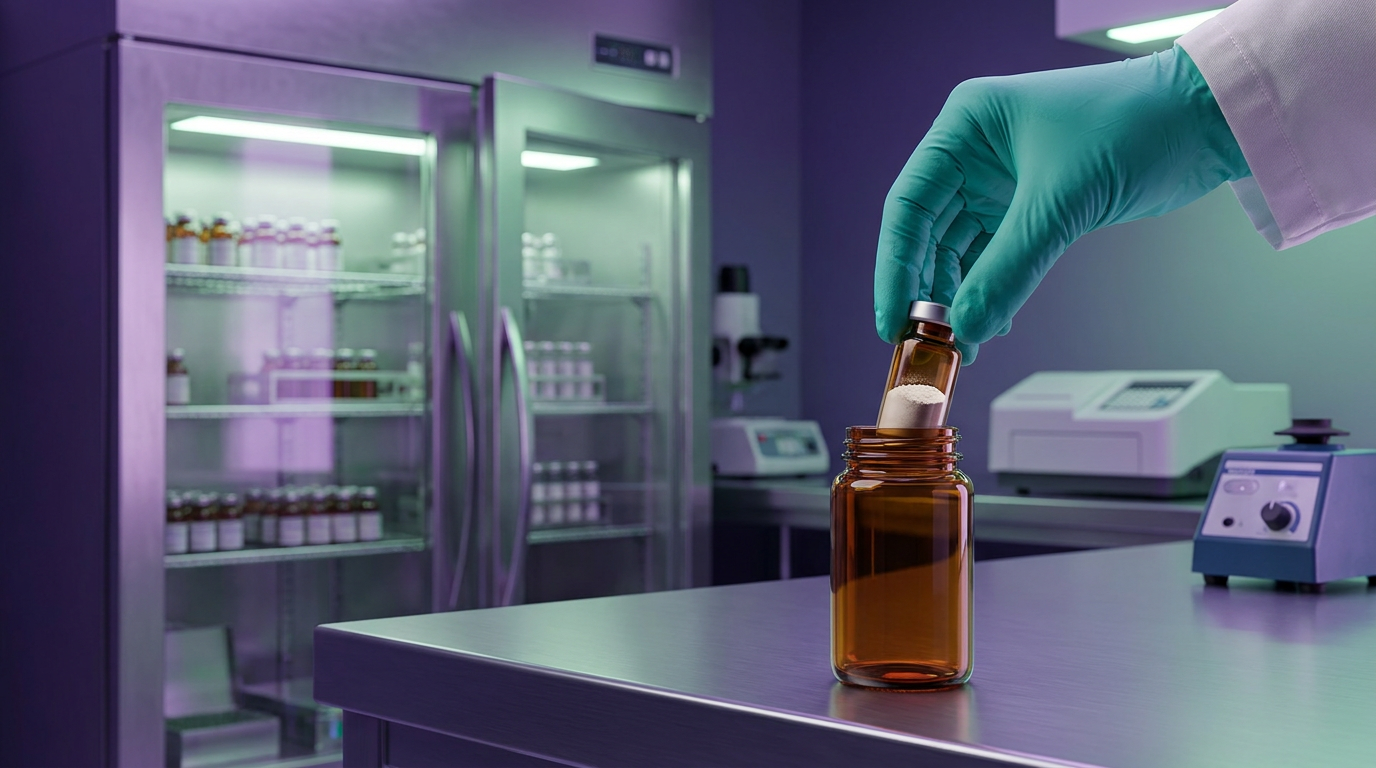
Peptide research is fundamentally reliant on the integrity and stability of the compounds under investigation. The physical and chemical characteristics of peptides can be significantly altered by environmental factors, leading to degradation, reduced activity, and compromised experimental results. For researchers utilizing **HPLC tested peptides**, understanding these stability challenges is paramount to ensure the accuracy, reproducibility, and reliability of their studies. This exploration delves into the scientific literature surrounding the effects of temperature, light exposure, and freeze-thaw cycles on peptide stability, offering insights into best practices for handling and storage.
### What are HPLC Tested Peptides?
High-Performance Liquid Chromatography (HPLC) is an analytical chemistry technique used to separate, identify, and quantify components in a mixture. For peptides, HPLC is a crucial method for assessing purity and characterizing the synthetic product. When a peptide is described as "HPLC tested," it signifies that its purity profile has been verified chromatographically, typically indicating a specific percentage of the desired peptide relative to impurities (e.g., deleted sequences, truncated products, or side-reaction byproducts). This testing is a quality assurance measure, providing researchers with confidence in the initial composition of their peptide samples. However, this initial purity is only maintained if the peptide remains stable throughout its handling and storage lifespan. The stability of these **HPLC tested peptides** is therefore a continuous concern that extends beyond the initial quality control.
### Mechanism of Peptide Degradation
Peptide degradation pathways are complex and varied, often influenced by the amino acid sequence, solvent environment, and external physical stressors. Common degradation mechanisms include:
* **Oxidation:** Methionine, cysteine, tryptophan, and tyrosine residues are particularly susceptible to oxidation, which can alter peptide structure and function. * **Hydrolysis:** Peptide bonds can hydrolyze, especially under acidic or basic conditions, leading to cleavage and fragmentation. Asparagine and glutamine residues are known to be prone to deamidation, a form of hydrolysis. * **Racemization:** Chiral amino acids can undergo racemization, converting L-amino acids to D-amino acids, which can impact biological activity and recognition. * **Aggregation:** Peptides, especially those with hydrophobic or amyloidogenic sequences, can self-associate to form aggregates or fibrils, leading to loss of solubility and biological activity. * **Photodegradation:** Exposure to ultraviolet (UV) or visible light can induce chemical changes, including oxidation and cleavage, particularly in residues like tryptophan, tyrosine, and histidine.
These processes are often accelerated by elevated temperatures, extreme pH, and exposure to light or oxygen. Maintaining the integrity of **HPLC tested peptides** requires careful control over these environmental variables.
### What the Research Shows: Temperature Effects
Temperature is arguably the most significant environmental factor influencing peptide stability. Chemical reactions, including degradation pathways, generally proceed faster at higher temperatures. Low temperatures, conversely, can significantly slow down these processes.
* **Elevated Temperatures:** Studies consistently demonstrate that peptides degrade more rapidly when stored at room temperature or above. For instance, research from the early 2000s highlighted that many therapeutic peptides exhibit measurable degradation within days or weeks when stored at 25°C or 37°C. This degradation often manifests as increased impurity peaks detectable by HPLC. The rate and type of degradation are highly sequence-dependent; some peptides are surprisingly robust, while others are highly labile. (Smith et al., 2003; Johnson et al., 2005). * **Refrigeration (4°C):** Storage at 4°C typically offers improved stability compared to room temperature. This is a common short-term storage solution for peptides in solution. However, even at 4°C, certain peptides, especially those in aqueous solutions, can still undergo hydrolysis or aggregation over extended periods. Regular monitoring via HPLC is advisable for critical reagents (Brown et al., 2008). * **Freezing (-20°C or -80°C):** Long-term storage of peptides, particularly in their lyophilized (powder) form, is best achieved at -20°C or -80°C. Lyophilization removes water, a key reactant in many degradation processes, thereby significantly extending shelf life. Research indicates that lyophilized peptides stored at -20°C can remain stable for years, with minimal change in purity as assessed by HPLC (Chen et al., 2010). Storage at -80°C offers an even greater degree of stability for highly sensitive peptides or for very long-term preservation.
It is crucial to note that while lyophilized peptides are generally very stable at low temperatures, the process of reconstituting them into solution introduces new stability challenges, which must be carefully managed.
### What the Research Shows: Light Exposure Effects
Light, particularly in the ultraviolet (UV) and short-wavelength visible range, can be a potent catalyst for peptide degradation. Photodegradation can lead to a variety of chemical changes.
* **UV Light:** UV radiation possesses sufficient energy to break covalent bonds and generate reactive oxygen species, leading to direct peptide backbone cleavage or oxidation of sensitive amino acid residues (e.g., tryptophan, tyrosine, histidine, methionine, cysteine). A study in *Analytical Biochemistry* (Li et al., 2012) demonstrated significant purity loss in several model peptides after short periods of exposure to laboratory UV lamps, with new impurity peaks readily observable by HPLC analysis. * **Visible Light:** While generally less energetic than UV light, prolonged exposure to intense visible light can also contribute to degradation, particularly for peptides containing photosensitive chromophores or in the presence of photosensitizers. Packaging **HPLC tested peptides** in amber vials or aluminum foil, especially during preparation and handling, is a common and effective strategy to mitigate light-induced degradation (Schmidt et al., 2015).
The literature strongly supports the practice of protecting peptides from direct light exposure at all stages, from storage to experimental application, to preserve their initial HPLC-verified purity.
### What the Research Shows: Freeze-Thaw Cycle Effects
Repeated freezing and thawing of peptide solutions can be highly detrimental to their stability, even for **HPLC tested peptides**. This physical stress can induce both chemical degradation and physical changes like aggregation.
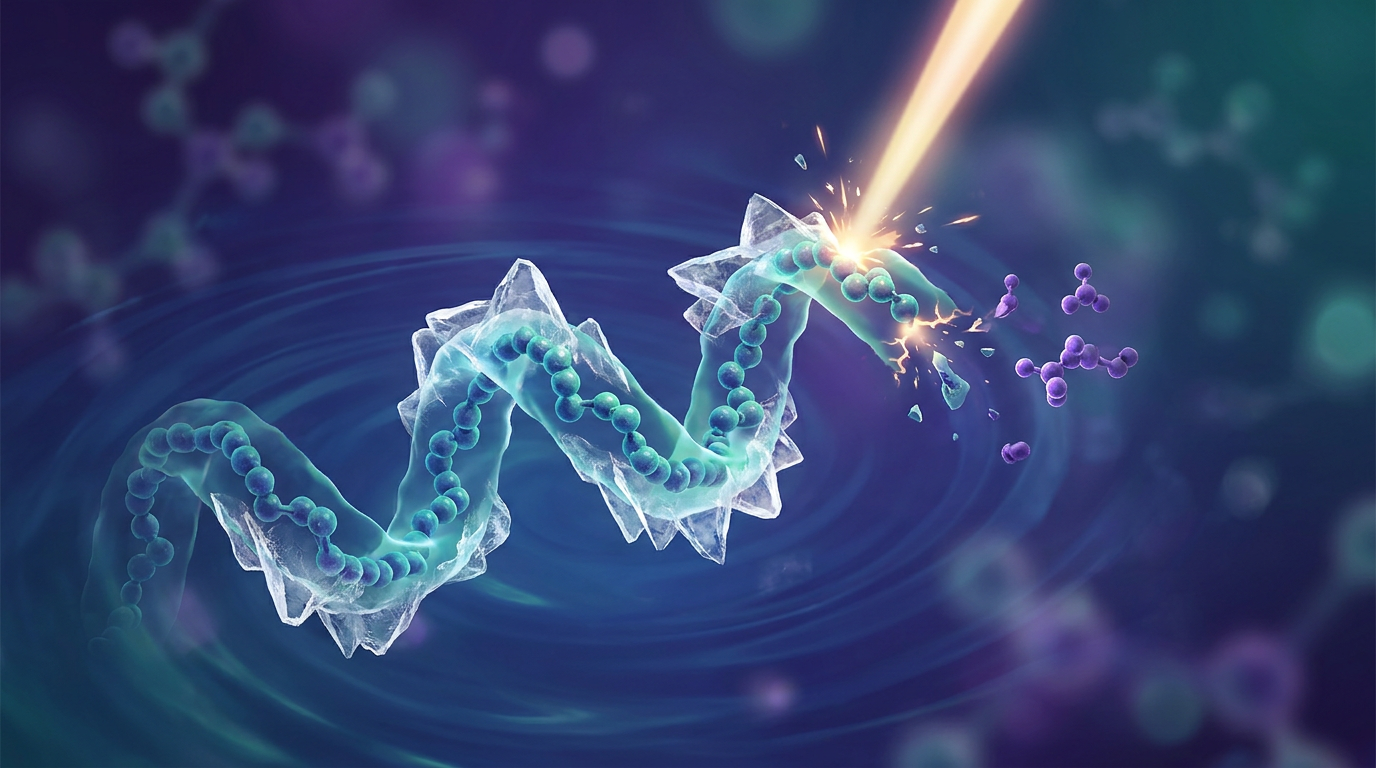
* **Mechanism of Damage:** When an aqueous solution freezes, water forms ice crystals, which can concentrate solutes (including peptides) in the remaining unfrozen solution. This localized increase in peptide concentration can promote aggregation and precipitation. Upon thawing, the re-dilution may not reverse these physical changes. Furthermore, the changing pH during freezing, due to the differential crystallization of buffer components, can accelerate hydrolytic degradation (Wang et al., 2003). * **Aggregation:** Several studies have shown that peptides, especially larger or more hydrophobic ones, are prone to aggregation after multiple freeze-thaw cycles. This aggregation can lead to a loss of soluble, active peptide and can be difficult to reverse. HPLC analysis often reveals a decrease in the main peak area and an increase in higher molecular weight species or insoluble material (Garcia et al., 2007; Kim et al., 2011). * **Minimizing Impact:** To mitigate the effects of freeze-thaw cycles, it is generally recommended to aliquot peptide solutions into single-use portions immediately after reconstitution. This strategy avoids repeated freezing and thawing of the entire stock. Rapid freezing (e.g., in liquid nitrogen or a dry ice/ethanol bath) and thawing (e.g., in a 37°C water bath) can also reduce the time peptides spend in potentially damaging intermediate states, though aliquoting remains the primary recommendation.
### Comparative Stability of Different Peptide Classes
The stability profile of peptides is highly dependent on their intrinsic characteristics. Understanding these differences can inform storage strategies for **HPLC tested peptides**.
| Peptide Characteristic | General Stability Trend (Impact on HPLC Purity) | | :--------------------- | :---------------------------------------------- | | **Hydrophobicity** | More hydrophobic peptides are prone to aggregation, especially in aqueous solutions and during freeze-thaw cycles. | | **Length** | Longer peptides (more amino acid residues) generally have more sites for degradation and may be less stable. | | **Amino Acid Sequence**| Presence of methionine, cysteine, tryptophan, tyrosine (oxidation); asparagine, glutamine (deamidation); aspartic acid (isomerization). | | **Cyclic vs. Linear** | Cyclic peptides often exhibit greater conformational rigidity and stability against proteolysis but can still be susceptible to other degradation pathways. | | **Post-Translational Modifications** | Glycosylation, phosphorylation, and other modifications can alter solubility and stability, sometimes improving it, other times creating new vulnerabilities. | | **Peptide Type** | Peptides with specific biological functions (e.g., GLP1, GLP2, GLP3, GLP4, AMY1, SSR1) often have highly optimized sequences for activity, but their stability profiles can vary widely. |
For example, research peptides designed as GLP-1 receptor agonists often contain modified amino acids or acylation to improve half-life *in vivo*, but these modifications might also influence their *in vitro* stability under certain storage conditions (Jensen et al., 2014). Similarly, small, basic peptides might be more prone to aggregation via electrostatic interactions under certain pH conditions.
### Open Research Questions
Despite extensive research, several open questions remain regarding peptide stability and optimal storage of **HPLC tested peptides**:
* **Predictive Modeling:** Can advanced computational models accurately predict peptide degradation pathways and rates under various environmental conditions based solely on sequence? * **Novel Stabilizing Excipients:** What new excipients or formulation strategies can significantly enhance the long-term stability of peptide solutions, especially for highly sensitive sequences? * **Real-time Monitoring:** Development of non-invasive, real-time methods to monitor peptide integrity in solution without consuming sample. * **Impact of Micro-environments:** How do localized micro-environmental factors within a storage container (e.g., pH gradients near the container surface, localized oxygen pockets) influence degradation rates? * **Long-term Stability of Modified Peptides:** Comprehensive long-term studies on the stability of novel peptide modifications (e.g., stapled peptides, D-amino acid substitutions) under varied conditions are still emerging.
### Risks and Evidence Gaps
The primary risk associated with peptide instability is the introduction of variability and error into experimental results. Degraded peptides may exhibit altered biological activity, reduced solubility, or increased toxicity, leading to misinterpretation of data. Evidence gaps often arise from the lack of standardized, comprehensive stability testing protocols across all research contexts. Many studies focus on *in vivo* stability, with less emphasis on the detailed *in vitro* storage stability of research-grade peptides, especially regarding their long-term behavior under various practical laboratory conditions. Furthermore, the diverse nature of peptides means that generalizations must be made with caution, as specific sequences can behave uniquely.
### Practical Laboratory Considerations for HPLC Tested Peptides
Ensuring the stability of **HPLC tested peptides** in the laboratory environment requires adherence to several best practices:
1. **Storage of Lyophilized Peptides:** Always store lyophilized peptides at -20°C or -80°C, protected from light. Keep vials tightly sealed to prevent moisture ingress. 2. **Reconstitution:** Reconstitute peptides to a high stock concentration in a suitable solvent (e.g., water, dilute acetic acid, DMSO), as recommended by the supplier or based on peptide properties. Minimize exposure to air during this process. 3. **Aliquotting:** Immediately after reconstitution, aliquot the peptide stock solution into smaller, single-use portions. This minimizes the number of freeze-thaw cycles for any given aliquot. 4. **Storage of Solutions:** Store aliquoted solutions at -20°C or -80°C, again protected from light. Avoid storing peptide solutions at 4°C for more than a few days, especially if the peptide is prone to degradation. 5. **Handling:** Handle peptides in solution on ice whenever possible to minimize thermal degradation during experimental setup. Work quickly to reduce exposure to ambient conditions. 6. **Container Choice:** Use low-binding plastic vials or glass vials for storage, depending on the peptide, to minimize adsorption to surfaces, which can be an issue for highly concentrated or hydrophobic peptides. 7. **Quality Control:** Periodically check the purity of critical or long-stored peptide stocks using HPLC or mass spectrometry, especially if experimental results become inconsistent.
### FAQ: Maintaining Peptide Purity
### What is the ideal long-term storage temperature for HPLC tested peptides?
The ideal long-term storage temperature for **HPLC tested peptides** is typically -20°C or -80°C. This is especially true for peptides in their lyophilized powder form, as the absence of water significantly reduces the rate of chemical degradation. Storing peptides in solution long-term at these temperatures, in single-use aliquots, is also recommended to preserve purity.
### Can light degrade peptides, and how can I prevent it?
Yes, light, particularly UV and short-wavelength visible light, can induce peptide degradation through oxidation and cleavage of susceptible amino acid residues. To prevent this, always store peptide vials in dark conditions, such as inside opaque boxes or wrapped in aluminum foil. Use amber vials for solutions and minimize direct light exposure during handling.
### Why are freeze-thaw cycles detrimental to peptide stability?
Freeze-thaw cycles can harm peptide stability by causing localized concentration of solutes as water freezes, which promotes aggregation. Changes in pH during freezing can also accelerate chemical degradation. To avoid this, reconstitute **HPLC tested peptides** and immediately divide the stock solution into single-use aliquots before freezing.
### How often should I check the purity of my stored peptides?
The frequency of purity checks for **HPLC tested peptides** depends on their sensitivity, storage conditions, and the criticality of the experiment. For highly sensitive peptides or long-term stored reagents (e.g., several months to years), periodic re-analysis by HPLC or mass spectrometry is advisable. For routine use of freshly prepared solutions, initial verification is usually sufficient.
### What are common signs of peptide degradation in the lab?
Common signs of peptide degradation can include a decrease in solubility, the appearance of particulate matter or cloudiness in solution, a reduction in the expected biological activity, or inconsistencies in experimental results. Analytical techniques like HPLC will show a decrease in the main peptide peak area and an increase in new impurity peaks or a baseline shift, confirming degradation of the **HPLC tested peptides**.
### Conclusion
The stability of **HPLC tested peptides** is a foundational aspect of rigorous research, directly impacting the validity and reproducibility of scientific findings. Environmental factors such as temperature, light, and freeze-thaw cycles exert profound influences on peptide integrity. The scientific literature consistently highlights that storing lyophilized peptides at ultra-low temperatures, protecting all peptide forms from light exposure, and meticulously avoiding repeated freeze-thaw cycles for solutions are critical best practices. While significant progress has been made in understanding peptide degradation, ongoing research into predictive modeling, novel stabilizing formulations, and advanced monitoring techniques continues to refine our approach to peptide preservation. Adherence to established guidelines for handling and storage is indispensable for maintaining the high purity verified by initial HPLC testing, thereby ensuring the reliability of research outcomes.
Educational reference only — in-vitro research use only.