
Quality & Methods
Optimizing Lab Peptides Europe: Stability Across Environmental Factors
·Educational reference
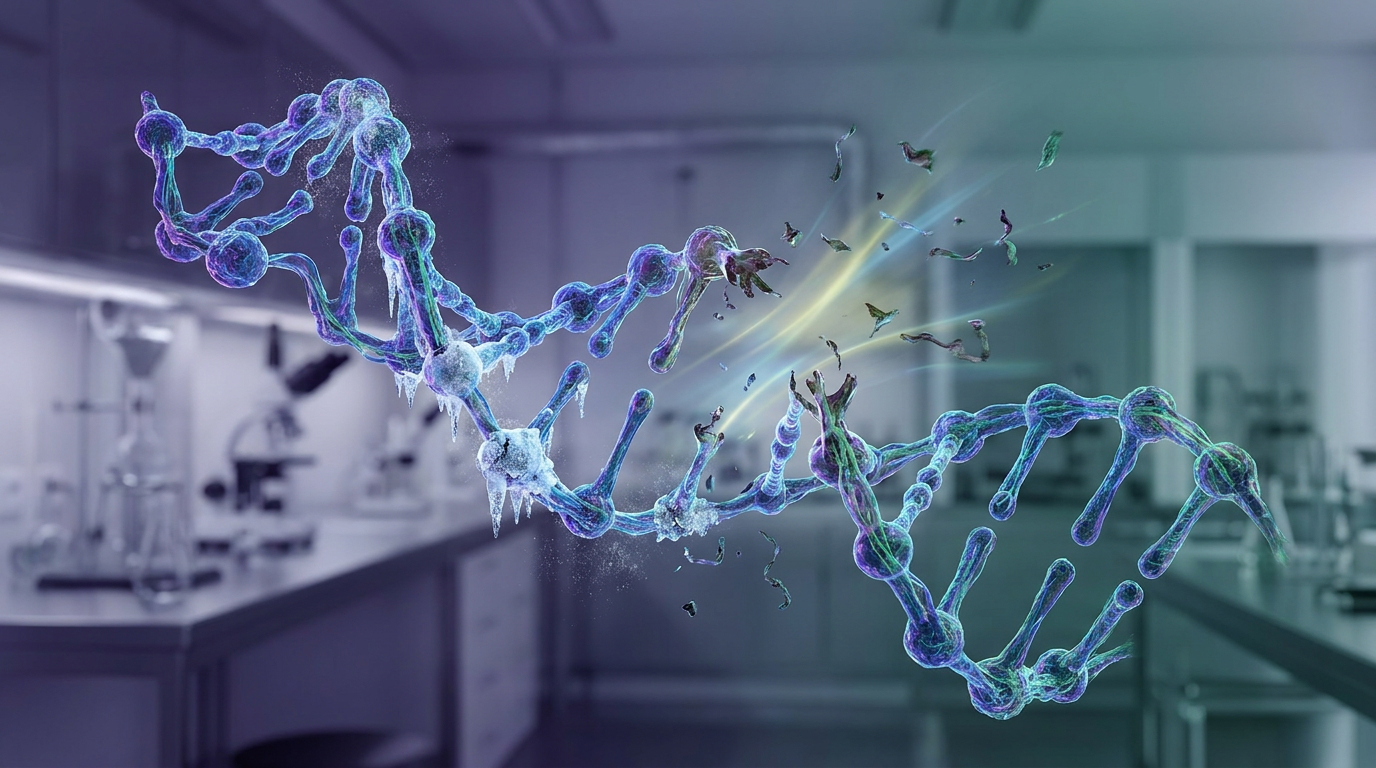
Peptide stability is a critical consideration for researchers working with synthetic peptides, particularly in diverse laboratory environments across regions like Europe. The integrity and biological activity of these biomolecules can be significantly compromised by various environmental factors, including temperature fluctuations, light exposure, and repeated freeze-thaw cycles. Maintaining optimal stability is essential for ensuring the reproducibility and reliability of experimental results, a cornerstone of robust scientific inquiry for lab peptides Europe. This comprehensive review synthesizes current research on these degradation pathways, offering insights into best practices for handling and storage.
## What are Peptides and Why is Their Stability Crucial for Lab Peptides Europe?
Peptides are short chains of amino acids linked by peptide bonds. They play diverse biological roles, acting as hormones, neurotransmitters, enzymes, and antimicrobial agents, or serving as critical tools in biochemical research. Synthetic peptides are widely utilized in drug discovery, diagnostics, and fundamental biological studies. Their precise sequence dictates their three-dimensional structure and, consequently, their biological activity. Any degradation that alters the primary, secondary, or tertiary structure can lead to a loss of function, formation of toxic byproducts, or altered binding characteristics. For researchers relying on high-purity lab peptides Europe, understanding and mitigating these degradation pathways is paramount to ensure experimental validity and resource efficiency.
Maintaining peptide stability is not merely about preserving the physical integrity of the molecule; it directly impacts the accuracy and validity of experimental outcomes. Degraded peptides can lead to inconsistent dose-response curves, false-negative or false-positive results, and challenges in replicating findings across different laboratories or experimental batches. This is particularly relevant for laboratories performing long-term studies or those with limited access to fresh peptide synthesis, making optimal storage conditions for lab peptides Europe a high priority.
## Mechanisms of Peptide Degradation
Peptides are susceptible to a variety of chemical and physical degradation processes. Chemical degradation primarily involves reactions that alter the covalent structure of the peptide, such as hydrolysis, oxidation, deamidation, and racemization. Physical degradation, on the other hand, often involves conformational changes like aggregation, fibrillation, or adsorption to surfaces. The susceptibility of a peptide to these processes is highly dependent on its primary amino acid sequence, pH, solvent composition, presence of excipients, and environmental factors like temperature, light, and humidity.
* **Hydrolysis:** The cleavage of peptide bonds or side-chain amides (e.g., asparagine, glutamine) catalyzed by water, especially at extreme pH conditions. * **Oxidation:** Primarily affects methionine, cysteine, tryptophan, and tyrosine residues, often accelerated by light and metal ions, leading to sulfoxides, disulfides, or other oxidized products. * **Deamidation:** The spontaneous conversion of asparagine and glutamine residues to aspartic acid and glutamic acid, respectively, often via a succinimide intermediate. This is particularly pH-sensitive. * **Racemization/Epimerization:** The conversion of L-amino acids to D-amino acids, which can significantly alter peptide structure and biological activity. Serine, threonine, aspartic acid, and phenylalanine are more prone to this. * **Aggregation/Fibrillation:** The self-association of peptide molecules into larger, insoluble structures, often driven by hydrophobic interactions or incorrect folding. This can reduce available active peptide and lead to potential immunogenicity *in vivo* research models.
## Temperature Effects on Peptide Stability
Temperature is arguably the most significant environmental factor influencing peptide stability. Elevated temperatures accelerate virtually all chemical degradation reactions, including hydrolysis, oxidation, and deamidation, by increasing kinetic energy and reaction rates. Even seemingly modest increases can have a substantial impact over time. Conversely, excessively low temperatures, particularly during freeze-thaw cycles, can induce physical stress.
### Research Findings on Temperature
Studies consistently demonstrate that lower storage temperatures generally lead to improved peptide stability. For lyophilized peptides, storage at -20°C or -80°C is widely recommended, as the absence of water largely mitigates hydrolytic degradation. For peptides in solution, cold storage is even more critical. Research published in *Analytical Biochemistry* (2007) highlighted that several peptides stored in aqueous solutions at 4°C showed significantly less degradation over several weeks compared to those stored at room temperature (25°C).
A systematic review in *Journal of Pharmaceutical Sciences* (2018) analyzing the stability of a range of synthetic peptides found that a 10°C increase in temperature could double or even triple the degradation rate, following the Arrhenius equation. This underscores the exponential relationship between temperature and reaction kinetics. The specific amino acid composition plays a crucial role; peptides rich in oxidation-prone residues (e.g., methionine, cysteine) or deamidation-prone residues (e.g., asparagine) exhibit greater temperature sensitivity. For example, a study in *Protein & Peptide Letters* (2014) focusing on a specific opioid peptide analogue found substantial degradation at 37°C within days, while samples at -20°C remained stable for months.
### Practical Implications for Lab Peptides Europe
For lab peptides Europe, maintaining a cold chain from synthesis to experimental use is vital. Long-term storage of lyophilized peptides should ideally be at -20°C or -80°C in a desiccated environment. Once reconstituted, peptides in solution should be kept on ice during experimentation and stored at 4°C for short periods (days) or aliquoted and frozen at -20°C or -80°C for longer-term storage. Avoid storing peptides in solution at room temperature for extended periods unless stability data specifically supports such conditions.
## Light Exposure Effects on Peptide Stability
Light, particularly ultraviolet (UV) and short-wavelength visible light, provides energy that can initiate or accelerate various photodegradation reactions in peptides. These reactions often involve the formation of reactive oxygen species (ROS), which can lead to oxidation of susceptible amino acid residues and, consequently, peptide fragmentation or aggregation.
### Research Findings on Light Exposure
Amino acid residues most susceptible to photodegradation include tryptophan, tyrosine, phenylalanine, histidine, and cysteine. Tryptophan, in particular, is highly photoreactive, undergoing oxidation to various products, including kynurenine and formylkynurenine, which can lead to changes in secondary structure and loss of biological activity. A study in *Photochemistry and Photobiology* (2012) demonstrated significant degradation of tryptophan-containing peptides exposed to broad-spectrum UV light, even at moderate intensities, resulting in altered spectroscopic properties and reduced functionality.
The presence of photosensitizers (e.g., certain dyes, riboflavin) or metal ions can significantly enhance light-induced degradation. Research published in *International Journal of Pharmaceutics* (2009) investigated the photostability of a model peptide and found that exposure to direct sunlight or even strong fluorescent laboratory lighting led to measurable degradation within hours to days, which was markedly reduced when samples were stored in amber vials or completely shielded from light. The study concluded that even ambient laboratory light conditions can contribute to long-term degradation if peptides are not protected.
### Practical Implications for Lab Peptides Europe
Protecting lab peptides Europe from light exposure is a straightforward yet crucial step. Always store peptides, whether lyophilized or in solution, in amber vials or opaque containers. During handling and experimentation, minimize exposure to direct sunlight or strong artificial light. Use foil wrapping or darkened enclosures for peptide solutions being prepared or analyzed over extended periods. This simple precaution can significantly extend the shelf-life and maintain the integrity of valuable research materials.
## Freeze-Thaw Cycle Effects on Peptide Stability
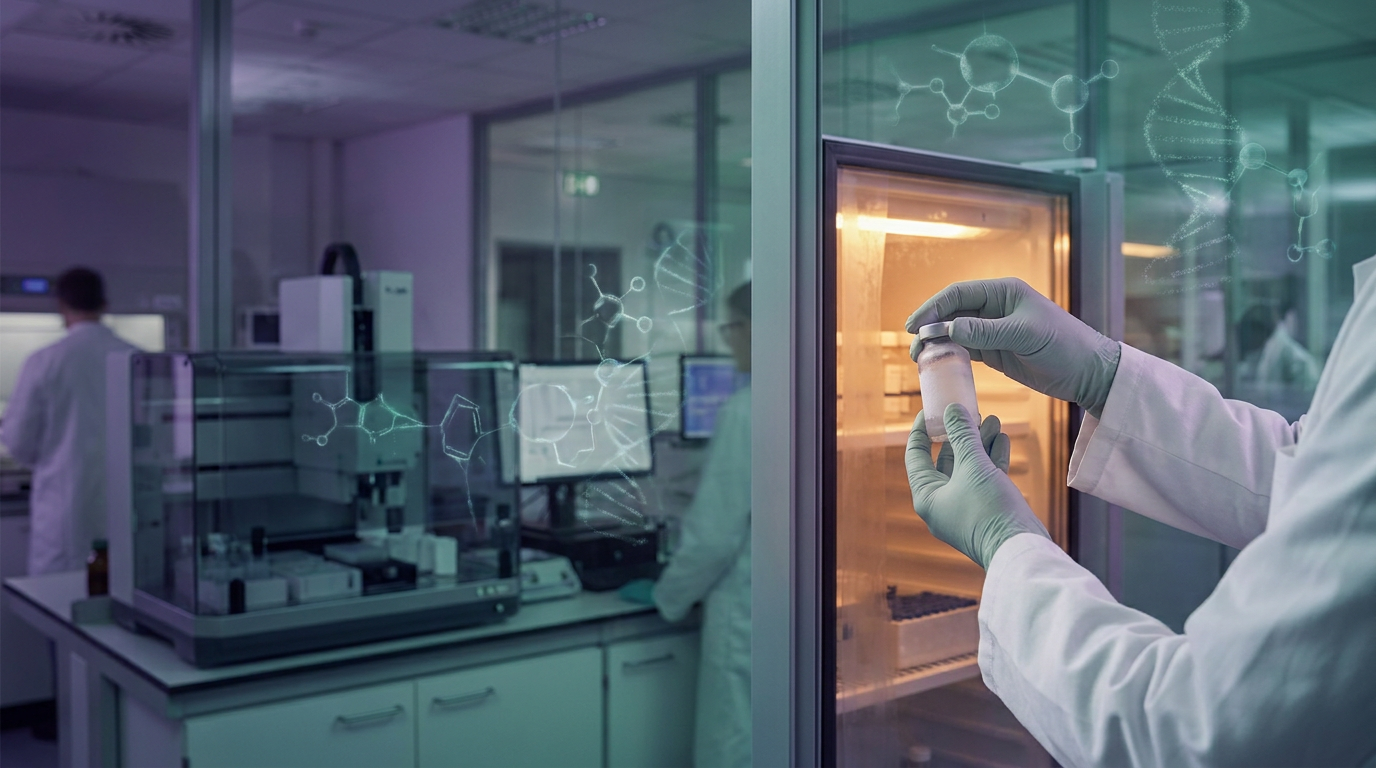
Repeated freezing and thawing can exert significant stress on peptides, leading to both physical and chemical degradation. During freezing, solvent crystallization can concentrate solutes, including peptides and buffer salts, leading to localized changes in pH and increased intermolecular interactions. This can promote aggregation, precipitation, and denaturation. Upon thawing, these concentrated species can undergo further degradation reactions or fail to fully re-dissolve.
### Research Findings on Freeze-Thaw Cycles
The impact of freeze-thaw cycles is highly peptide-dependent. Smaller, robust peptides may withstand several cycles with minimal degradation, while larger or aggregation-prone peptides can be severely compromised. A study in *Pharmaceutical Research* (2015) evaluated the stability of a therapeutic peptide over multiple freeze-thaw cycles. They observed a dose-dependent increase in aggregation and a decrease in monomeric peptide concentration after as few as three to five cycles, particularly when thawed rapidly. The study also noted an increase in deamidation products, suggesting that the concentrated environment during freezing can accelerate chemical reactions.
Another investigation, published in *Biophysical Journal* (2019), utilized spectroscopic techniques to observe conformational changes in a model peptide subjected to freeze-thaw stress. They found evidence of partial unfolding and subsequent aggregation during the thawing phase, which was attributed to freeze-induced dehydration and subsequent rehydration stresses. The freezing rate, thawing rate, and the presence of cryoprotectants (e.g., glycerol, trehalose) were identified as critical variables influencing the extent of damage. Slow freezing and slow thawing generally induce less stress than rapid processes.
### Practical Implications for Lab Peptides Europe
To minimize degradation from freeze-thaw cycles, it is strongly recommended to aliquot peptide solutions into single-use portions immediately after reconstitution. This strategy ensures that individual aliquots are thawed only once. When thawing, do so gently, preferably on ice or at 4°C, rather than at elevated temperatures, to allow for gradual re-solubilization and minimize localized concentration effects. Avoid refreezing thawed aliquots. This practice is crucial for labs working with sensitive lab peptides Europe to preserve their integrity over the long term.
## Comparison of Degradation Factors
While all three factors discussed—temperature, light, and freeze-thaw cycles—contribute to peptide degradation, their relative impact and the specific degradation pathways they promote can differ. Temperature is a universal accelerator of chemical reactions. Light specifically targets photoreactive amino acids and can initiate oxidative pathways. Freeze-thaw cycles primarily induce physical stresses leading to aggregation but can also accelerate chemical degradation due to cryoconcentration. It's often a synergistic effect, where, for instance, a peptide prone to oxidation might degrade faster if exposed to both light and elevated temperatures.
### Degradation Factor Comparison
| Factor | Primary Degradation Pathways | Susceptible Residues/Peptides | Mitigation Strategy | | :----------------- | :---------------------------------- | :----------------------------------------- | :------------------------------------------------ | | **Temperature** | Hydrolysis, Oxidation, Deamidation | All, but especially Met, Cys, Asn, Gln | Store at -20°C/-80°C (lyophilized/solution) | | **Light** | Photo-oxidation, Fragmentation | Trp, Tyr, Phe, His, Cys | Store in amber vials/opaque containers, minimize exposure | | **Freeze-Thaw** | Aggregation, Denaturation, Cryo-concentration accelerated chemical degradation | Larger, aggregation-prone, sensitive sequences | Aliquot, single-use, gentle thawing, avoid refreezing |
## Open Research Questions and Evidence Gaps
Despite extensive research, several open questions remain regarding peptide stability, particularly for novel peptide constructs and modified peptides used in cutting-edge research in laboratories like those in Europe. A significant gap exists in understanding the long-term stability profiles of complex, multi-domain peptides or those incorporating non-natural amino acids under various real-world laboratory conditions. The synergistic effects of multiple degradation factors, such as combined low-level light exposure with moderate temperature fluctuations over extended periods, are not fully characterized for a broad range of peptides.
Furthermore, standardized, high-throughput methods for predicting peptide stability *in silico* are still evolving. While some algorithms can predict aggregation propensity, accurately forecasting hydrolytic or oxidative stability based solely on sequence remains challenging. More research is needed to develop robust predictive models that account for solvent effects, pH, and the presence of excipients, enabling researchers to design more stable lab peptides Europe from the outset.
## Risks and Evidence Gaps for Lab Peptides Europe
For researchers utilizing lab peptides Europe, the primary risk associated with poor stability practices is the generation of irreproducible and unreliable data. Degraded peptides can lead to misinterpretation of biological mechanisms, incorrect identification of drug targets, and wasted resources. The use of improperly stored peptides can necessitate expensive repeat experiments or even lead to the retraction of published findings. There is also an economic risk, as degraded peptides represent a loss of investment in synthesis and purification. An evidence gap often arises from a lack of comprehensive, publicly available stability data for a wide array of synthetic peptides under various storage conditions, forcing individual laboratories to conduct their own, often less rigorous, stability assessments.
Another significant gap pertains to the impact of sub-visual aggregation or subtle chemical modifications on *in vitro* or *ex vivo* research model performance. While gross degradation is easily detectable, minor changes might go unnoticed, leading to subtle but significant shifts in experimental outcomes. Rigorous characterization methods, such as high-resolution mass spectrometry and analytical ultracentrifugation, are not always routinely applied to ensure peptide integrity throughout the experimental lifecycle in every research setting.
## Practical Laboratory Considerations for Peptide Handling
Adhering to best practices in peptide handling is paramount for any research laboratory, particularly when working with lab peptides Europe, where consistency across different research groups and climatic zones can be a factor. These considerations extend beyond initial storage to every step of the experimental workflow:
* **Initial Receipt and Inspection:** Upon arrival, promptly inspect peptide shipments. Ensure the peptide is sealed and stored as recommended (typically lyophilized and cold). Transfer to recommended long-term storage immediately. * **Reconstitution:** Reconstitute peptides carefully following vendor instructions or established protocols. Use high-purity solvents. If a peptide is poorly soluble, consider sonication or gentle warming, but monitor stability. Work quickly to minimize time in solution at room temperature. * **Aliquoting:** For peptides in solution, immediately aliquot into single-use or small-volume vials. This minimizes the number of freeze-thaw cycles any single portion undergoes. * **Vial Selection:** Use high-quality, inert vials (e.g., borosilicate glass or low-binding plastic) to prevent adsorption to surfaces, especially for low-concentration peptides. * **Desiccation:** Store lyophilized peptides with a desiccant, as even trace moisture can accelerate hydrolysis. * **Labeling:** Clearly label all aliquots with peptide name, concentration, date of reconstitution, and storage conditions. This is fundamental for traceability and reproducibility for lab peptides Europe. * **Record Keeping:** Maintain detailed records of peptide lot numbers, purity, reconstitution details, and storage history. This documentation is invaluable for troubleshooting unexpected experimental results.
## FAQ Section
### How long can lyophilized lab peptides Europe be stored at -20°C?
Lyophilized peptides, stored desiccated at -20°C, can typically remain stable for several years. For exceptionally sensitive peptides or those intended for very long-term projects, -80°C storage is often preferred. The exact duration depends on the peptide's sequence, purity, and the complete absence of moisture. Always refer to the vendor's specific stability data if available, or conduct internal stability assessments for critical reagents.
### What is the best way to thaw a frozen peptide aliquot?
The best way to thaw a frozen peptide aliquot is slowly on ice or at 4°C. Avoid rapid thawing at room temperature or by warming, as this can exacerbate cryoconcentration effects and increase stress on the peptide, potentially leading to aggregation or degradation. Once thawed, keep the aliquot on ice if it will be used for an extended period, and use it only once if possible.
### Can light exposure degrade peptides stored in clear vials in a freezer?