

Education
Deciphering Certificate of Analysis Peptides by Mechanism of Action
·Educational reference
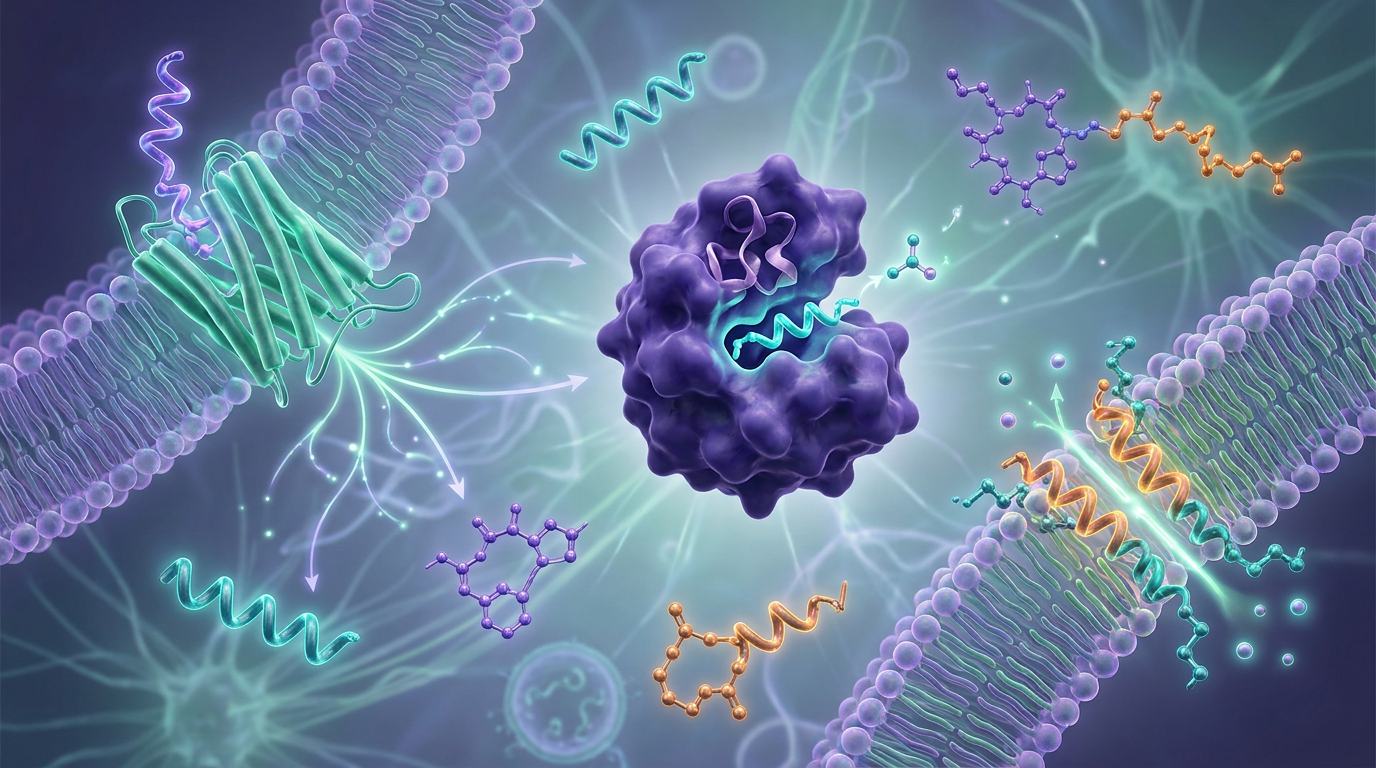
### Peptide Classification: A Framework for Mechanistic Understanding
Research peptides represent a diverse class of biomolecules extensively studied across various biological disciplines. Understanding their biological activities and potential applications often hinges on a clear classification system, particularly one rooted in their mechanisms of action. This article outlines a framework for classifying research peptides based on how they exert their effects at the cellular and molecular levels, providing a structured approach for researchers. For any peptide utilized in research, especially for those meticulously characterized as **certificate of analysis peptides**, a robust understanding of its mechanistic class is paramount for interpreting experimental outcomes and ensuring replicability.
### What are Research Peptides?
Research peptides are short chains of amino acids, typically ranging from 2 to 50 residues, linked by peptide bonds. They are fundamentally distinct from proteins due to their shorter length and often simpler tertiary structures, though some can fold into complex conformations. These biomolecules serve a vast array of physiological roles in living organisms, acting as hormones, neurotransmitters, growth factors, and antimicrobial agents. In a laboratory setting, research peptides are synthesized to high purity standards, with their sequence, purity, and composition verified by stringent analytical methods, leading to **certificate of analysis peptides** that guarantee their identity and quality for experimental use.
Their appeal in research stems from their high specificity, relatively low molecular weight, and often favorable pharmacokinetic profiles in experimental models. Researchers investigate peptides for their potential to modulate specific biological pathways, offering insights into disease mechanisms or serving as probes for cellular processes. The diverse structural and functional space occupied by peptides necessitates a clear classification system to navigate their complexity.
### Mechanism of Action: The Core of Peptide Classification
The mechanism of action (MOA) describes the specific biochemical interaction through which a peptide produces its observed biological effect. This can involve binding to specific receptors, inhibiting enzymes, modulating ion channels, or disrupting cellular membranes. Classifying peptides by MOA provides a more functional and predictive framework than purely structural classifications. It allows researchers to group peptides that, despite potentially disparate primary sequences, elicit similar biological outcomes through shared molecular pathways. This understanding is critical for designing experiments, predicting off-target effects, and comparing results across different studies.
For example, peptides acting as receptor agonists activate signaling pathways upon binding, while antagonists block receptor activity. Enzymatic inhibitors directly interfere with enzyme function, and antimicrobial peptides often disrupt bacterial cell membranes. This mechanistic lens helps to organize the vast landscape of peptide research, making it more accessible and interpretable.
### What the Research Shows: Categories by Mechanism
The literature suggests several broad categories for classifying research peptides based on their primary mechanisms of action. These classifications are not always mutually exclusive, as some peptides may exhibit pleiotropic effects or engage multiple targets. However, identifying the dominant MOA provides a foundational understanding.
#### 1. Receptor Agonists and Antagonists
Many research peptides exert their effects by binding to specific cell surface or intracellular receptors, either activating them (agonists) or blocking their activation (antagonists). This is a prevalent mechanism, particularly for peptides involved in intercellular communication.
* **GLP1-like Peptides:** These are well-studied as agonists for the GLP1 receptor. Research models from 2005 onwards have extensively demonstrated their role in glucose-dependent insulin secretion, gastric emptying regulation, and neuroprotection. The literature suggests they activate adenylate cyclase, leading to increased intracellular cyclic AMP (cAMP) levels, which in turn modulates various downstream effectors. * **GLP2-like Peptides:** These peptides act as agonists at the GLP2 receptor, primarily studied for their effects on intestinal growth and nutrient absorption. Studies in murine models (2007, 2011) showed they promote enterocyte proliferation and reduce apoptosis, supporting gut barrier function. Their MOA involves cAMP-dependent pathways in intestinal cells. * **AMY1-like Peptides:** As agonists for the AMY1 receptor, these peptides are investigated for their roles in glucose homeostasis and satiety. Research models (2009, 2013) indicate they slow gastric emptying and reduce postprandial glucagon secretion, contributing to glucose control and appetite suppression. The signaling pathway involves receptor coupling to adenylate cyclase inhibition. * **SSR1-like Peptides:** These can act as agonists for somatostatin receptors, mediating a wide range of inhibitory effects on hormone secretion (e.g., growth hormone, insulin, glucagon). Studies in various *in vitro* and *in vivo* models (2000, 2008) highlight their G-protein coupled receptor activation, leading to inhibition of adenylate cyclase and modulation of ion channels.
#### 2. Enzyme Modulators (Inhibitors or Activators)
Some peptides directly interact with enzymes, altering their catalytic activity. This can involve competitive inhibition, allosteric modulation, or acting as a substrate mimetic.
* **Dipeptidyl Peptidase-4 (DPP-4) Inhibitors:** While not peptides themselves, peptide fragments and mimetics are studied for their ability to inhibit DPP-4, an enzyme that degrades incretin hormones like GLP1. Research (2003, 2010) on peptide-based DPP-4 inhibitors focuses on prolonging the activity of endogenous GLP1, thereby enhancing glucose regulation. * **Protease Inhibitors:** Peptides that inhibit proteases are crucial in regulating protein turnover and specific physiological processes. For instance, research on serpin-like peptides (2015) demonstrates their ability to inhibit serine proteases involved in inflammation or coagulation cascades.
#### 3. Ion Channel Modulators
Peptides can directly bind to and alter the function of ion channels, regulating cellular excitability, secretion, and other processes.
* **Conotoxins:** Peptides derived from marine cone snails are extensively studied for their highly specific modulation of various ion channels (e.g., voltage-gated calcium, sodium, and potassium channels). Research in neuroscience (2006, 2012) uses these peptides as pharmacological tools to probe channel function and investigate therapeutic potential for pain or neurological disorders.
#### 4. Antimicrobial Peptides (AMPs)
AMPs represent a diverse group of peptides that primarily exert their effects by disrupting microbial cell membranes, leading to cell lysis. Their MOA is often non-specific regarding individual membrane components but selective for microbial over mammalian cells due to differences in membrane composition and charge.
* **Defensins and Cathelicidins:** These endogenous peptides are studied for their broad-spectrum antimicrobial activity against bacteria, fungi, and viruses. Research models (2001, 2014) indicate they form pores in microbial membranes or interfere with intracellular processes after membrane translocation.
#### 5. Cell-Penetrating Peptides (CPPs) and Drug Delivery Enhancers
While not having direct biological activity themselves, CPPs are a class of peptides capable of translocating across cell membranes, often carrying cargo molecules into the cytoplasm or nucleus. Their MOA involves various mechanisms, including direct membrane translocation, endocytosis, and pore formation.
* Research on Tat-peptide (derived from HIV-1 Tat protein) and Penetratin (from *Drosophila* Antennapedia homeodomain) (1998, 2004) has elucidated their utility in delivering small molecules, proteins, or nucleic acids into cells, enabling intracellular research and therapeutic strategies.

#### 6. Peptides Affecting Protein-Protein Interactions
Some peptides act by interfering with or promoting specific protein-protein interactions, which are critical for signaling pathways, structural integrity, and enzyme complex formation.
* **PDZ-domain binding peptides:** Research (2007, 2011) has explored peptides designed to disrupt or stabilize interactions involving PDZ domains, which are crucial scaffolding proteins in cell signaling and polarity.
### Comparisons of Classification Approaches
Traditionally, peptides might be classified by their source (e.g., endogenous, synthetic), structure (e.g., cyclic, linear), or biological function (e.g., hormonal, antimicrobial). While useful, these methods can obscure the underlying molecular mechanisms. For instance, two structurally disparate peptides might both function as receptor agonists. Conversely, structurally similar peptides might engage different receptors or pathways, leading to distinct biological outcomes.
| Classification Criterion | Description | Advantages | Limitations | | :----------------------- | :------------------------------------------------------------------------------------------------------------------------------------------------------------------------------------------------------------------------------------------------------------- | :----------------------------------------------------------------------------------------------------------------------------- | :--------------------------------------------------------------------------------------------------------------------------------------------------------------------------------------------------------------------------------------------------------------------------------------------------------------------------------------------- | | **Mechanism of Action** | Groups peptides by specific molecular interaction (e.g., receptor binding, enzyme inhibition, membrane disruption). | Directly informs on biological activity; predictive of cellular effects; useful for rational drug design and target identification. | Can be complex to fully elucidate; some peptides have multiple MOAs; requires detailed functional studies. | | Structural | Groups peptides by primary, secondary, or tertiary structure (e.g., linear, cyclic, helical). | Simple, based on chemical properties; useful for synthesis and purification. | Structure does not always directly correlate with function; different structures can have similar MOAs, and vice versa. | | Functional (Physiological) | Groups peptides by their observed physiological role (e.g., hormone, neurotransmitter, growth factor). | Provides immediate context of biological relevance; intuitive for broad categorization. | Can overlap with MOA; a single peptide may have multiple functions; does not explain *how* the function is achieved. | | Source | Groups peptides by their origin (e.g., natural product, synthetic, recombinant). | Useful for cataloging and understanding biosynthesis pathways. | Offers no insight into biological activity or mechanism; a synthetic peptide can mimic a natural one. |
Classifying by mechanism, especially for well-characterized **certificate of analysis peptides**, provides the most direct route to understanding and predicting their behavior in experimental systems. It moves beyond descriptive categories to explanatory models of interaction.
### Open Research Questions in Peptide Mechanistic Classification
Despite advancements, several challenges and open questions remain in the mechanistic classification of peptides:
* **Polypharmacology and Pleiotropy:** Many peptides exhibit effects through multiple targets or pathways. How to best classify peptides with multiple, equally significant mechanisms of action? Is a primary MOA sufficient, or do we need hierarchical or network-based classifications? * **Context-Dependency:** A peptide's MOA can sometimes be context-dependent, varying with cell type, concentration, or the presence of other signaling molecules. How can classification frameworks incorporate this plasticity? * **Novel Mechanisms:** With the discovery of new peptides, novel mechanisms of action are continually being identified (e.g., allosteric modulators, intrinsically disordered peptide regions facilitating phase separation). Classification systems must remain flexible to integrate these. * **Computational Prediction:** Can advanced computational methods accurately predict a peptide's MOA solely from its sequence and structural features, especially for peptides without known homologs? This would accelerate the discovery and classification process. * **Standardization of MOA Elucidation:** Establishing standardized experimental protocols for conclusively determining a peptide's MOA would improve comparability and reliability across studies, particularly for complex **certificate of analysis peptides** with high purity and confirmed activity.
### Risks and Evidence Gaps in Mechanistic Interpretation
Several risks and evidence gaps are inherent in the mechanistic interpretation of research peptides:
* **Off-Target Effects:** Peptides, especially at higher concentrations, may interact with unintended targets, leading to observed effects that are not attributable to the hypothesized primary mechanism. This can confound experimental results. * **Impurity Contamination:** The presence of impurities in peptide samples can lead to spurious results. High-purity **certificate of analysis peptides** mitigate this risk by providing rigorous documentation of purity and identity, yet even minor contaminants might influence sensitive biological assays. * **Specificity Overestimation:** Initial studies might overstate the specificity of a peptide for a single target. Further broad screening and target identification studies are often necessary to fully characterize the binding profile. * **Translational Gaps:** Mechanisms elucidated *in vitro* or in simplified *in vivo* models may not fully translate to more complex physiological systems or different species, due to variations in receptor expression, signaling cascades, or metabolic pathways. * **Limited *In Vivo* Validation:** While many mechanisms are well-defined *in vitro*, comprehensive *in vivo* validation of the precise molecular steps and their physiological relevance can be challenging and remains an area with significant evidence gaps for many research peptides.
### Practical Laboratory Considerations for Certificate of Analysis Peptides
For researchers working with peptides, particularly those focused on elucidating mechanisms of action, several practical considerations are crucial:
* **Verification of Purity and Identity:** Always ensure that peptides are supplied with a comprehensive **certificate of analysis**. This document should detail synthesis methods, purification steps, mass spectrometry data (MS), and high-performance liquid chromatography (HPLC) traces to confirm purity and molecular weight. This is fundamental to attributing observed effects to the peptide itself and not to impurities. * **Proper Handling and Storage:** Peptides are sensitive to degradation. Adhering to manufacturer guidelines for storage (e.g., lyophilized at -20°C or -80°C, avoidance of repeated freeze-thaw cycles for solutions) is vital to maintain their integrity and activity. * **Solubility and Formulation:** Understanding the peptide's physicochemical properties is essential for proper dissolution and stability in experimental buffers. Poor solubility can lead to aggregation, loss of activity, or inconsistent results. * **Dose-Response Studies:** Thorough dose-response studies are critical for establishing the concentration range where a peptide exerts its specific MOA and to identify concentrations where off-target effects might emerge. * **Negative Controls and Specificity Assays:** Utilizing scrambled peptides, inactive analogs, or receptor antagonists/inhibitors can help confirm the specificity of the observed mechanism of action. * **Batch Consistency:** For long-term projects, ensuring batch-to-batch consistency, often facilitated by robust **certificate of analysis peptides** from reputable suppliers, is paramount for replicable research outcomes.
### Frequently Asked Questions about Peptide Classification and MOA
#### What is the difference between a peptide's function and its mechanism of action?
A peptide's function describes its observable biological role or effect, such as regulating blood sugar or acting as an antimicrobial. Its mechanism of action, however, explains *how* it achieves that function at a molecular level—for instance, by binding to a specific receptor or inhibiting an enzyme. The MOA provides the molecular details underlying the function.
#### Why is a Certificate of Analysis important for peptides when studying their mechanism of action?
A **certificate of analysis** provides documented proof of a peptide's purity, identity, and composition. When investigating a mechanism of action, it is critical to ensure that any observed effects are solely due to the peptide under study and not to impurities or incorrect synthesis. A reliable CoA guarantees the quality of the research material, making experimental results trustworthy and reproducible.
#### Can a single peptide have multiple mechanisms of action?
Yes, many peptides exhibit pleiotropy, meaning they can interact with multiple targets or activate various signaling pathways, leading to diverse biological effects. This can make their classification challenging but also highlights their therapeutic potential. Researchers often focus on the primary or most relevant MOA for a specific research question.
#### How do researchers determine a peptide's mechanism of action?
Determining a peptide's MOA involves a combination of biochemical, cellular, and *in vivo* assays. This can include receptor binding studies, enzyme activity assays, reporter gene assays, ion channel recordings, cell signaling pathway analysis (e.g., phosphorylation states), and genetic knockout/knockdown experiments to identify specific targets.
#### Are all research peptides classified by mechanism of action?