
Metabolic Research
5-Amino-1MQ: Emerging Metabolic Research Compound Overview
·Educational reference
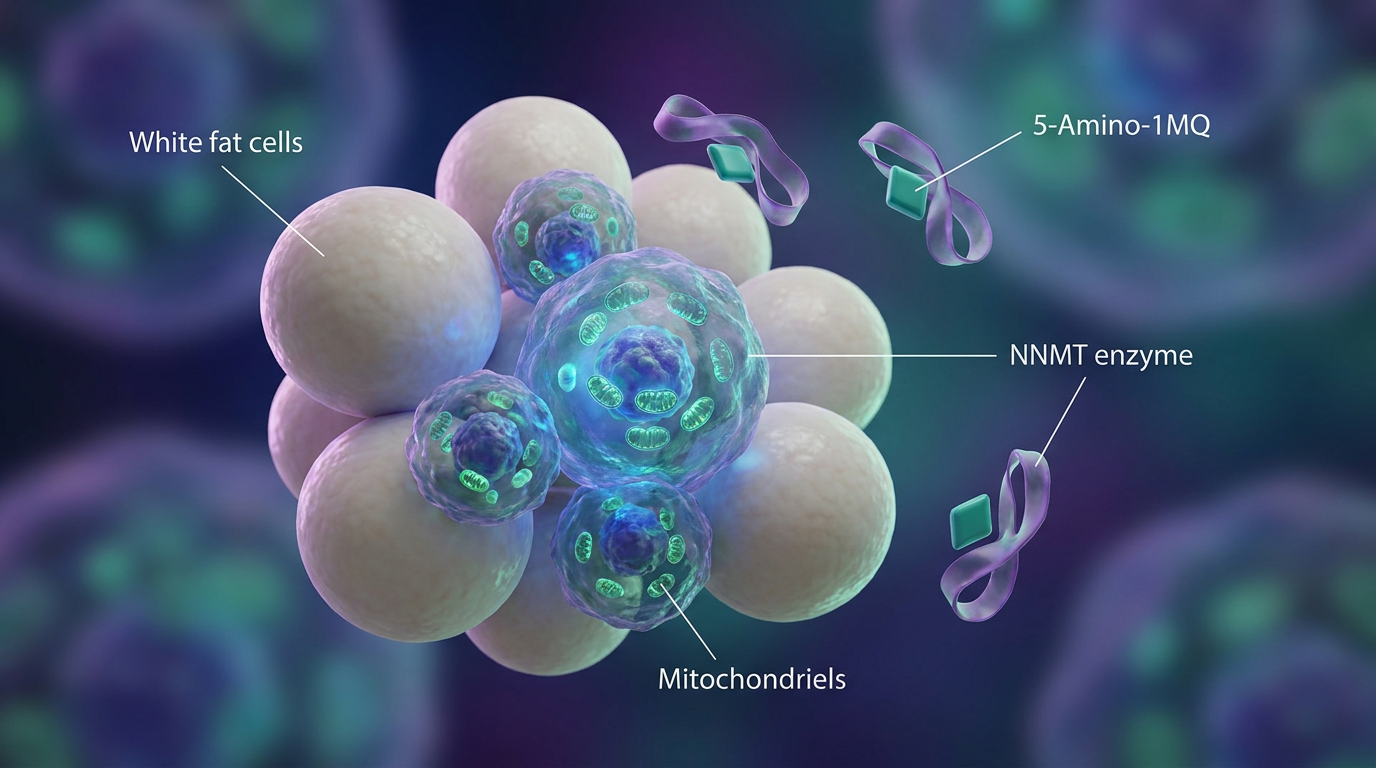
In the realm of metabolic research, investigative compounds are continually being explored for their potential to elucidate complex biological pathways. One such compound that has garnered attention is 5-Amino-1MQ. This molecule is under active investigation for its purported role in modulating cellular metabolism, specifically through its interaction with the enzyme nicotinamide N-methyltransferase (NNMT). Research into 5-Amino-1MQ aims to understand its mechanisms and the broader implications for metabolic health in various research models.
### What is 5-Amino-1MQ?
5-Amino-1MQ is a small molecule that has been identified as a potent and selective inhibitor of the enzyme nicotinamide N-methyltransferase (NNMT). NNMT is predominantly expressed in adipose tissue, liver, and kidney, and plays a critical role in the metabolism of nicotinamide, a precursor to NAD+ (nicotinamide adenine dinucleotide). By inhibiting NNMT, 5-Amino-1MQ is hypothesized to alter cellular NAD+ levels and consequently influence a cascade of metabolic processes. This compound is strictly for research purposes, used in controlled laboratory settings to explore its biological activities.
### Mechanism of Action of 5-Amino-1MQ
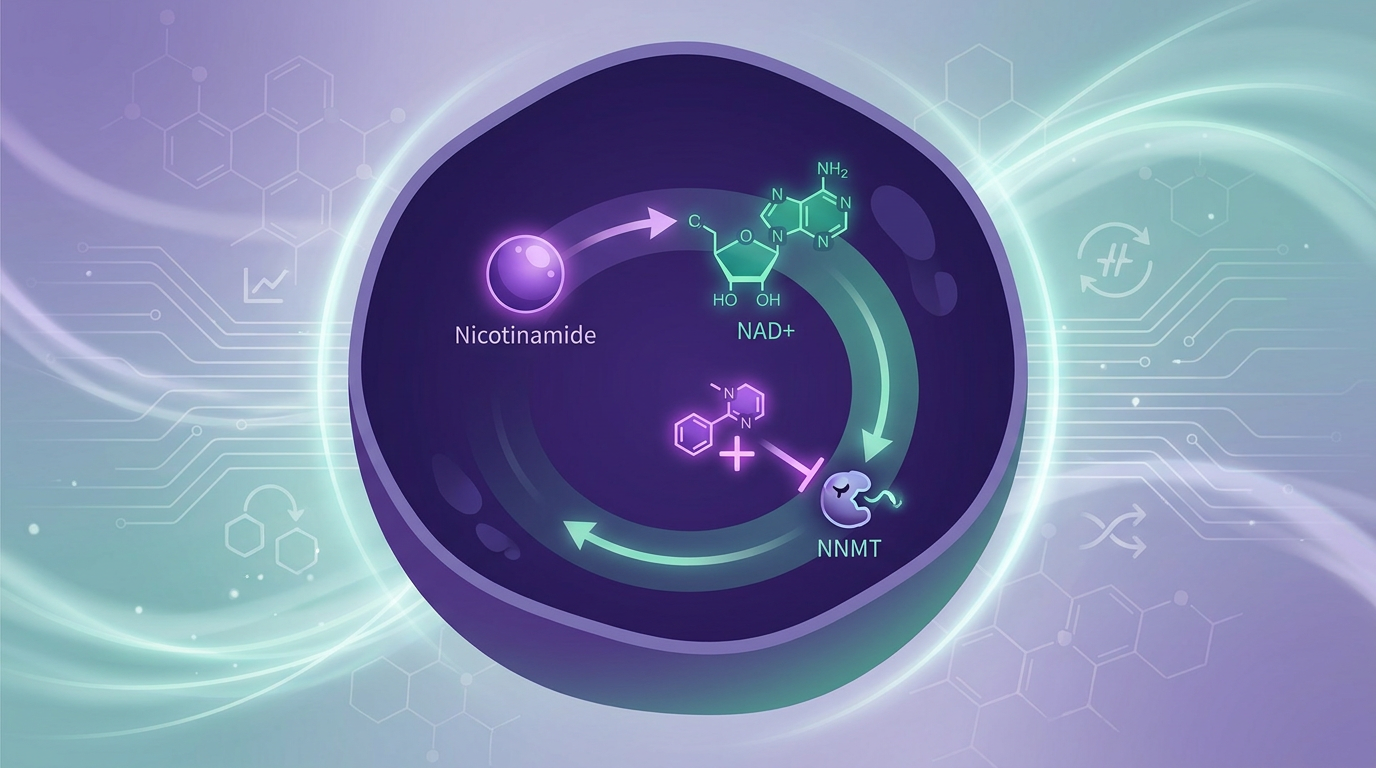
The primary mechanism of action for 5-Amino-1MQ revolves around its inhibitory effect on nicotinamide N-methyltransferase (NNMT). NNMT catalyzes the N-methylation of nicotinamide to 1-methylnicotinamide (1-MNA), utilizing S-adenosylmethionine (SAM) as a methyl donor. This process depletes SAM, which is a universal methyl donor crucial for numerous cellular methylation reactions, including DNA and histone methylation. Furthermore, the conversion of nicotinamide by NNMT reduces the availability of nicotinamide for NAD+ synthesis, potentially impacting cellular NAD+ levels.
By inhibiting NNMT, 5-Amino-1MQ is posited to achieve several key cellular effects:
* **Increase Nicotinamide Availability:** Reduced NNMT activity means less nicotinamide is converted to 1-MNA, thus increasing the pool of nicotinamide available for NAD+ biosynthesis via the salvage pathway. Elevated NAD+ levels are associated with enhanced sirtuin activity, which are NAD+-dependent deacetylases involved in metabolism, DNA repair, and cellular aging. * **Preserve S-adenosylmethionine (SAM):** By reducing SAM consumption by NNMT, 5-Amino-1MQ could potentially preserve SAM levels, thereby influencing other methylation-dependent processes within the cell. * **Impact on Energy Metabolism:** Through its effects on NAD+ and sirtuin activity, 5-Amino-1MQ is under investigation for its capacity to enhance mitochondrial function, increase fat oxidation, and improve overall cellular energy expenditure. These effects are particularly relevant in the context of adipose tissue metabolism.
### What the Research Shows (2010-2023)
Extensive research has explored the effects of 5-Amino-1MQ across various *in vitro* and *in vivo* models. Early *in vitro* studies, including those published around 2011, identified 5-Amino-1MQ as a selective and potent inhibitor of NNMT, confirming its basic pharmacological properties. Subsequent research has focused on its metabolic implications.
* **Adipose Tissue Metabolism:** Studies conducted in rodent models (e.g., published in 2015, 2018) have indicated that NNMT inhibition by 5-Amino-1MQ may lead to a reduction in white adipose tissue mass and an increase in energy expenditure. These effects are often attributed to enhanced lipolysis and fat oxidation. Some research suggests a potential for 'browning' of white adipose tissue, a process where white fat cells acquire characteristics of brown fat cells, increasing thermogenesis.
* **Glucose Homeostasis:** Investigations (e.g., from 2016 onwards) have explored the impact of 5-Amino-1MQ on glucose metabolism. In certain research models, treatment with 5-Amino-1MQ has been associated with improvements in insulin sensitivity and glucose tolerance. These observations are often linked to the compound's effects on NAD+ levels and subsequent activation of sirtuins, which play a role in regulating glucose uptake and production.
* **Hepatic Metabolism:** The liver is a major site of NNMT expression. Research (e.g., published in 2017) has examined the effects of 5-Amino-1MQ on hepatic lipid accumulation and inflammation. Findings in some preclinical models suggest that NNMT inhibition might mitigate hepatic steatosis (fatty liver) and reduce inflammatory markers, potentially offering insights into managing liver metabolic dysfunction.
* **Muscle Function:** Emerging research (e.g., studies in 2019) has begun to investigate the influence of 5-Amino-1MQ on skeletal muscle. Preliminary findings suggest that NNMT inhibition could potentially impact muscle energy metabolism and mitochondrial biogenesis, though these areas require further in-depth exploration.
* **Neuroprotection:** While primarily studied for metabolic effects, some exploratory research (e.g., published in 2020) has hinted at potential neuroprotective properties, possibly through NAD+ modulation and sirtuin activation, which are known to be involved in neuronal health. However, this remains a nascent area of investigation.
#### Summary of Research Findings
| Research Area | Key Observations in Models | Key Mechanisms Suggested | | :--------------------- | :-------------------------------------------------------------------------------------------- | :------------------------------------------------------------------------------------------ | | **Adipose Tissue** | Reduced white fat mass, increased energy expenditure, enhanced lipolysis, potential fat browning | NNMT inhibition, increased NAD+, sirtuin activation, enhanced mitochondrial function | | **Glucose Homeostasis** | Improved insulin sensitivity, enhanced glucose tolerance | Increased NAD+ availability, sirtuin activation, modulated glucose metabolism pathways | | **Hepatic Metabolism** | Reduced hepatic lipid accumulation, decreased inflammation markers | NNMT inhibition, impact on hepatic NAD+ and SAM levels, altered lipid synthesis pathways | | **Muscle Function** | Potential impact on muscle energy metabolism, mitochondrial biogenesis | NAD+ modulation, sirtuin activity in muscle tissue | | **Neuroprotection** | Preliminary indications of neuroprotective effects in certain models | NAD+ homeostasis, sirtuin activity in neuronal cells |
### Comparisons with Other Metabolic Research Compounds
5-Amino-1MQ stands out due to its specific targeting of NNMT. Many other compounds under metabolic investigation, such as those targeting GLP1, GLP2, GLP3, GLP4, AMY1, or SSR1 receptors, often modulate neuroendocrine pathways or exert direct effects on insulin secretion and glucose disposal. In contrast, 5-Amino-1MQ operates at a more fundamental cellular metabolic level, by influencing the NAD+ and methylation cycles. While these different classes of compounds may ultimately impact similar metabolic endpoints (e.g., glucose control, body weight), their underlying mechanisms are distinct. The precise NNMT inhibition offered by 5-Amino-1MQ provides a unique avenue for studying the role of this enzyme in metabolic regulation, offering a complementary perspective to other investigative strategies.
### Open Research Questions
Despite the promising findings, several critical research questions remain concerning 5-Amino-1MQ:
* **Long-Term Effects:** What are the long-term metabolic and cellular consequences of sustained NNMT inhibition? Are there adaptive responses that might alter the compound's efficacy or introduce unforeseen effects? * **Specificity and Off-Target Effects:** While described as selective for NNMT, exhaustive studies on potential off-target interactions at higher concentrations or over extended periods are ongoing. How might these impact overall cellular function? * **Optimal Dosing and Delivery:** In research models, the most effective delivery methods and optimal concentrations to achieve desired metabolic changes while minimizing potential side effects are still under active investigation. * **Interactions with Other Pathways:** How does NNMT inhibition interact with other metabolic pathways, such as those involving AMPK, mTOR, or other sirtuins beyond those directly impacted by NAD+ levels? * **Sex-Specific Responses:** Are there differences in the metabolic responses to 5-Amino-1MQ between sexes in research models, and if so, what are the underlying biological reasons? * **Role in Different Tissue Types:** While adipose and liver tissues have been extensively studied, a comprehensive understanding of its effects across all metabolically active tissues is still developing.
### Risks and Evidence Gaps
As with any research compound, potential risks and evidence gaps must be considered. The current body of research on 5-Amino-1MQ is primarily based on *in vitro* experiments and preclinical animal models. While these provide valuable mechanistic insights, the translatability to human physiology is not fully established. Researchers must always exercise caution and maintain rigorous experimental protocols.
* **Limited Human Data:** There is currently a paucity of human research data on 5-Amino-1MQ. All findings should be interpreted within the context of laboratory models. * **Pharmacokinetic and Pharmacodynamic Variability:** Information regarding the compound's absorption, distribution, metabolism, and excretion (ADME) can vary significantly across different species and experimental conditions. A comprehensive understanding of these parameters is crucial for robust research design. * **Potential for Unforeseen Interactions:** Given NNMT's role in the SAM cycle and NAD+ metabolism, altering its activity could theoretically have broad cellular impacts beyond the intended metabolic improvements, such as affecting methylation patterns or other NAD-dependent enzymes. These possibilities require careful investigation. * **Methodological Heterogeneity:** Research studies employ diverse methodologies, animal models, and dosages, which can lead to variability in reported outcomes. Standardization where possible, or a clear acknowledgment of these differences, is important for comparing and synthesizing research.
### Practical Laboratory Considerations
When working with 5-Amino-1MQ in a research laboratory, several practical considerations are paramount:
* **Purity and Authenticity:** Always verify the purity and authenticity of the 5-Amino-1MQ compound. Contaminants can significantly alter experimental results. * **Storage Conditions:** Adhere strictly to manufacturer recommendations for storage to maintain the compound's stability and efficacy. Typically, this involves cool, dark, and dry conditions. * **Solubility and Preparation:** Understand the appropriate solvents for dissolving 5-Amino-1MQ for *in vitro* or *in vivo* applications. Proper dissolution is crucial for accurate dosing and consistent experimental results. * **Dosing Regimen:** Based on existing literature, carefully design dosing regimens for *in vivo* studies, considering the species, route of administration, and desired experimental outcomes. Avoid extrapolating directly from one species to another without sufficient justification. * **Control Groups:** Always include appropriate control groups (e.g., vehicle-treated controls) to accurately attribute observed effects to 5-Amino-1MQ. * **Metabolic Measurements:** Utilize established and validated methods for assessing metabolic endpoints, such as glucose tolerance tests, insulin sensitivity assays, indirect calorimetry, and lipid profiling. * **Safety Protocols:** Implement standard laboratory safety protocols when handling all research compounds, including appropriate personal protective equipment.
### FAQ Section
### What is the primary target of 5-Amino-1MQ in research studies?
In research studies, the primary target of 5-Amino-1MQ is the enzyme nicotinamide N-methyltransferase (NNMT). It functions as a potent and selective inhibitor of this enzyme, thereby modulating its activity and downstream metabolic pathways.
### How does 5-Amino-1MQ influence NAD+ levels in cells?
By inhibiting NNMT, 5-Amino-1MQ reduces the conversion of nicotinamide to 1-methylnicotinamide. This increases the availability of nicotinamide for the NAD+ salvage pathway, ultimately leading to elevated intracellular NAD+ levels, which are critical for many cellular processes.
### What metabolic processes are most frequently investigated in relation to 5-Amino-1MQ?
The metabolic processes most frequently investigated in relation to 5-Amino-1MQ include adipose tissue metabolism (fat oxidation, lipolysis, adipogenesis), glucose homeostasis (insulin sensitivity, glucose tolerance), and hepatic lipid metabolism. Research also explores its impact on energy expenditure.
### Is 5-Amino-1MQ a compound approved for any therapeutic use?
No, 5-Amino-1MQ is not approved for any therapeutic use. It is strictly an experimental research compound used in laboratory settings for scientific investigation to understand biological mechanisms and potential applications.
### What are the main limitations of current research on 5-Amino-1MQ?
The main limitations of current research on 5-Amino-1MQ include the predominant reliance on *in vitro* and preclinical animal models, a lack of human data, and the need for more comprehensive studies on its long-term effects, pharmacokinetics, and potential off-target interactions across diverse biological systems.
### Conclusion
5-Amino-1MQ represents a compelling subject in metabolic research due to its precise inhibitory action on nicotinamide N-methyltransferase (NNMT). The evidence gathered from *in vitro* and *in vivo* models suggests that 5-Amino-1MQ influences fundamental metabolic pathways, particularly those involving NAD+ homeostasis, fat oxidation, and glucose regulation. While current findings highlight its potential to elucidate mechanisms underlying metabolic dysfunction and energy balance, further rigorous investigation is essential. The complex interplay of NNMT with cellular metabolism necessitates a cautious and comprehensive approach to fully characterize 5-Amino-1MQ's effects and establish its utility as a research tool. The ongoing exploration of 5-Amino-1MQ continues to contribute valuable insights into the intricate world of metabolic biochemistry.
Educational reference only — in-vitro research use only.