

Growth Hormone Research
Tesamorelin: GHRF Analogue Research and Its Peptide Studies
·Educational reference
### **Summary: Tesamorelin Research**
Tesamorelin is a synthetic analogue of growth hormone-releasing factor (GHRF), a hypothalamic peptide that stimulates the pituitary gland to release endogenous growth hormone (GH). Its structure includes the first 44 amino acids of human GHRF, with a modification at the N-terminus to enhance stability and prolong its half-life. Research into Tesamorelin primarily investigates its capacity to increase systemic GH levels by acting on specific receptors in the anterior pituitary. Studies across various preclinical and clinical research models have explored its effects on body composition, metabolic parameters, and neurological functions, providing insights into its potential utility in conditions characterized by GH deficiency or related metabolic dysregulation. This article delves into the mechanisms, research findings, comparative analyses, and future directions for Tesamorelin and related GHRF analogue research.
## What is Tesamorelin and Its Role in GHRF Analogue Research?
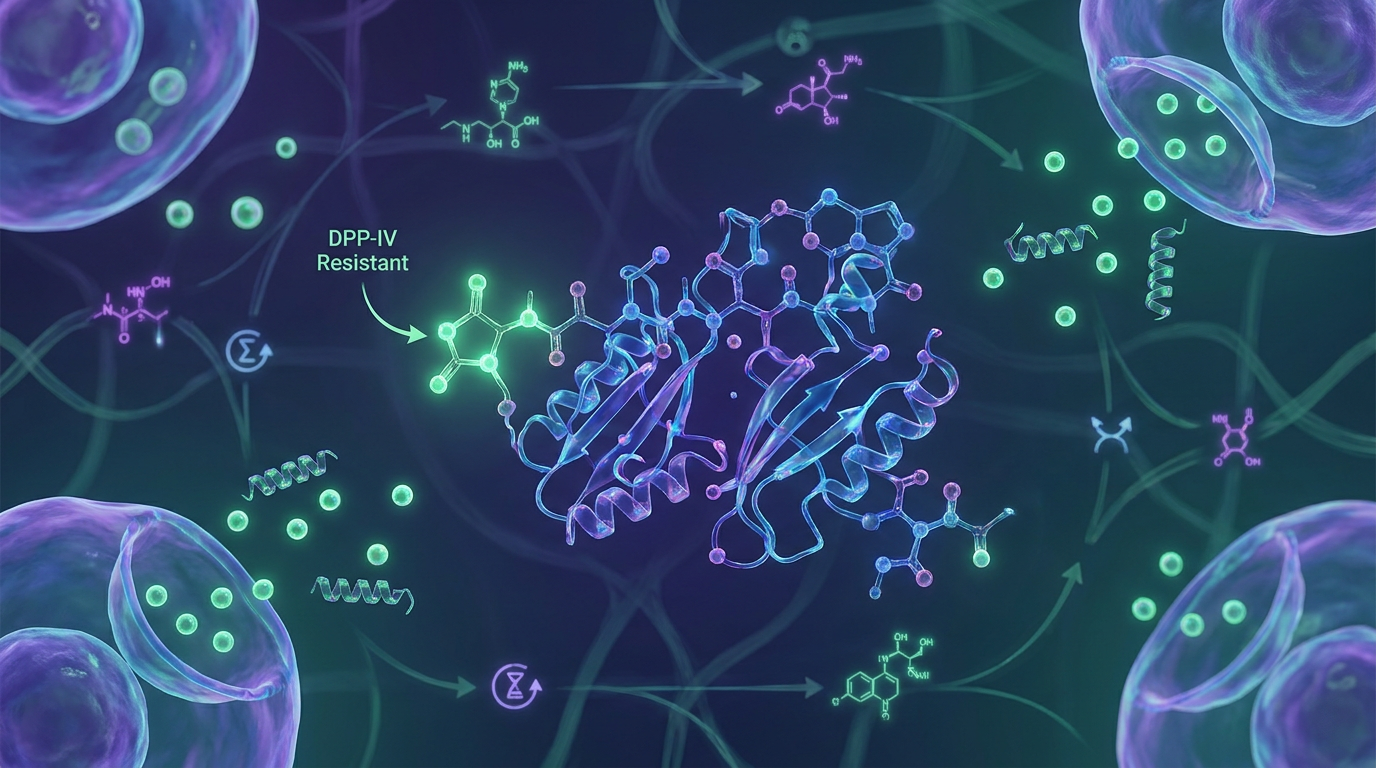
Tesamorelin is a modified form of human growth hormone-releasing factor (GHRF), also known as somatocrinin. Naturally occurring GHRF is a 44-amino acid peptide produced in the hypothalamus that is crucial for regulating the pulsatile secretion of growth hormone (GH) from the anterior pituitary gland. Tesamorelin retains the first 44 amino acids of native GHRF but features an added *trans*-3-hexenoyl group at the N-terminus. This structural alteration is critical; it confers resistance to dipeptidyl peptidase-IV (DPP-IV) enzymatic degradation, a primary inactivator of GHRF in the circulation. The enhanced stability leads to a longer half-life and sustained biological activity, making Tesamorelin a more potent and effective stimulator of GH release than its natural counterpart in research models.
The primary role of Tesamorelin in research is to serve as a stable and potent GHRF analogue to investigate the physiological effects of sustained endogenous GH elevation. Unlike exogenous GH administration, which can suppress the body's natural GH production via negative feedback, Tesamorelin stimulates the pituitary's own GH synthesis and release pathways. This approach maintains the natural pulsatile pattern of GH secretion to some extent, which is believed to be physiologically beneficial by avoiding constant supraphysiological GH exposure. Research models utilize Tesamorelin to understand the intricate interplay between GHRF, GH, and downstream mediators like insulin-like growth factor 1 (IGF-1), exploring its impact on various tissues and metabolic processes.
## Mechanism of Action of Tesamorelin
Tesamorelin exerts its physiological effects by binding to and activating the growth hormone-releasing factor receptor (GHRF-R), a G protein-coupled receptor primarily located on somatotroph cells in the anterior pituitary gland. Upon binding, Tesamorelin initiates a cascade of intracellular events that culminate in the synthesis and release of growth hormone. The activation of GHRF-R leads to an increase in intracellular cyclic adenosine monophosphate (cAMP) levels through the activation of adenylate cyclase. Elevated cAMP, in turn, activates protein kinase A (PKA), which phosphorylates specific proteins involved in GH gene transcription and exocytosis of GH-containing vesicles.
This mechanism of action is crucial for several reasons in research. Firstly, by stimulating endogenous GH production, Tesamorelin maintains the physiological feedback loops that regulate GH secretion, including negative feedback from IGF-1 and somatostatin. This contrasts with direct exogenous GH administration, which bypasses these regulatory mechanisms. Secondly, the pulsatile nature of GH release is generally preserved with Tesamorelin, which is considered important for optimal GH physiological effects and to potentially mitigate some of the side effects associated with continuous high GH levels. The prolonged stability of Tesamorelin in the circulation ensures a sustained stimulation of the pituitary, leading to a more consistent elevation of GH and IGF-1 levels over time in research models.
## What the Research Shows: Tesamorelin Studies
Research into Tesamorelin has spanned several areas, primarily focusing on its metabolic effects, but also exploring neurological and cardiovascular implications.
### Metabolic Effects
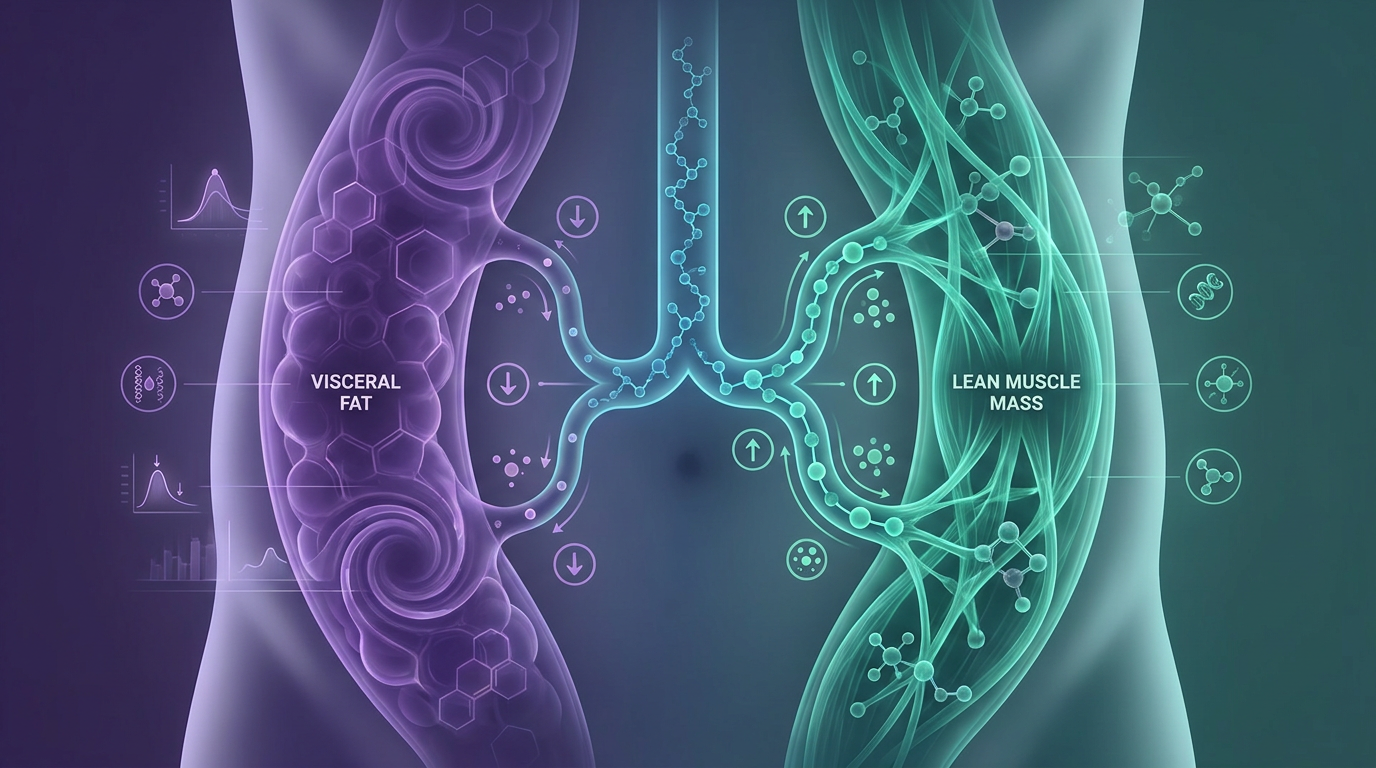
**Body Composition Changes:** A significant body of research has investigated Tesamorelin's effects on body composition. Early clinical trials (e.g., conducted in the mid-2000s) on subjects with altered body fat distribution consistently demonstrated reductions in visceral adipose tissue (VAT) without significant changes in total body weight. This reduction in VAT is particularly noteworthy as VAT is strongly linked to metabolic syndrome and cardiovascular risk. Studies suggest that Tesamorelin-induced GH and IGF-1 elevation promotes lipolysis in visceral fat depots while potentially preserving or increasing lean muscle mass. For instance, a meta-analysis published in *Clinical Endocrinology* (2014) synthesized data from multiple trials, confirming a significant reduction in VAT circumference and area.
**Lipid Metabolism:** Tesamorelin research also indicates positive effects on lipid profiles. Several studies have reported decreases in total cholesterol, low-density lipoprotein (LDL) cholesterol, and triglycerides, alongside an increase in high-density lipoprotein (HDL) cholesterol. These changes are believed to be mediated by GH-induced alterations in hepatic lipid metabolism and increased peripheral lipid clearance. An investigation published in the *Journal of Clinical Endocrinology & Metabolism* (2012) highlighted these improvements in lipid markers, suggesting a beneficial impact on cardiovascular risk factors.
**Glucose Metabolism:** The relationship between Tesamorelin, GH, and glucose metabolism is complex and has been a subject of extensive research. While GH is known to have diabetogenic properties at very high levels, Tesamorelin-induced GH elevation in research models has shown mixed effects. Some studies report a transient increase in fasting plasma glucose and HbA1c, while others indicate no significant long-term impact or even improvements in insulin sensitivity in specific populations. This variability underscores the importance of carefully characterizing subject populations and underlying metabolic status in research. A review in *Expert Opinion on Drug Metabolism & Toxicology* (2013) discussed the nuanced effects on glucose homeostasis.
### Neurological and Cognitive Research
Beyond metabolic effects, Tesamorelin has been explored for its potential role in neurological function. Growth hormone and IGF-1 are known to have neurotrophic effects and are involved in neuronal survival, plasticity, and cognitive processes. Preclinical research (e.g., animal models, early 2010s) has investigated whether Tesamorelin, by increasing endogenous GH/IGF-1, could mitigate cognitive decline or improve neural integrity. While direct evidence of significant cognitive enhancement in human research models is still emerging and requires further robust investigation, some studies have shown changes in brain morphology or neuroinflammatory markers. For example, some observational studies have hinted at improved verbal learning and memory in specific patient cohorts receiving Tesamorelin, as discussed in a *Neuroendocrinology* publication (2015).
### Cardiovascular Research
The impact of Tesamorelin on cardiovascular parameters is another area of active research, largely driven by its effects on VAT and lipid profiles. Reducing VAT and improving dyslipidemia are recognized ways to decrease cardiovascular risk. Some studies have investigated changes in carotid intima-media thickness (CIMT) or other markers of atherosclerosis. While direct improvements in cardiovascular outcomes are yet to be definitively established, the observed positive changes in surrogate markers suggest a potential beneficial role, particularly in populations with metabolic disturbances. The *Journal of the American College of Cardiology* (2016) has featured discussions on the potential indirect cardiovascular benefits.
## Comparisons with Other Growth Hormone Modulators
Tesamorelin belongs to a class of compounds that modulate growth hormone secretion, but its mechanism sets it apart from others.
* **Exogenous Growth Hormone (GH) Administration:** Direct administration of recombinant human GH (rhGH) provides a consistent supply of GH. However, this method can suppress the body's natural GH production and might lead to supraphysiological levels, potentially contributing to insulin resistance, fluid retention, and other adverse effects. Tesamorelin, by stimulating endogenous GH, aims to maintain the natural pulsatile release pattern and preserve physiological feedback loops, potentially offering a more physiological approach.
* **Growth Hormone Secretagogues (GHSs):** Compounds like GH secretagogues (e.g., GHRP-2, GHRP-6, Ipamorelin) act on the ghrelin receptor (GHS-R) in the pituitary and hypothalamus to stimulate GH release. While also stimulating endogenous GH, their mechanism is distinct from GHRF analogues. GHSs potentiate the effects of GHRF and also act independently, sometimes leading to effects beyond GH release, such as appetite stimulation. Tesamorelin's action is more specific to the GHRF pathway.
* **GHRH Analogues (Other):** While Tesamorelin is a prominent GHRH analogue, other synthetic GHRH derivatives have been developed and studied. These variations often aim for improved potency, half-life, or receptor specificity. Tesamorelin's specific N-terminal modification for DPP-IV resistance is a key differentiating feature that contributes to its prolonged action and stability in research models.
| Feature | Tesamorelin | Exogenous GH | GHSs (e.g., Ipamorelin) | | :-------------------- | :------------------------------- | :-------------------------------- | :------------------------------- | | Mechanism | GHRF-R agonist (pituitary) | Direct GH supply | Ghrelin receptor agonist (pituitary, hypothalamus) | | GH Release Pattern | Pulsatile (endogenous) | Continuous (exogenous) | Pulsatile (endogenous) | | Feedback Loops | Preserved | Bypassed | Partially preserved | | Stability | Enhanced (DPP-IV resistant) | Highly stable (recombinant protein) | Variable (some DPP-IV sensitive) | | Specificity | Primarily GH release | Direct systemic effects | GH + other effects (e.g., appetite) | | Primary Research Focus | Metabolic, Body Comp, Neuro | Broad (deficiency, anabolic) | Metabolic, Anabolic, Ghrelin-related |
This table highlights the diverse approaches to modulating the GH axis, each with unique characteristics and research implications. Tesamorelin's appeal lies in its targeted, stable stimulation of endogenous GH, aiming for a more physiological elevation of circulating GH and IGF-1.
## Open Research Questions and Evidence Gaps for Tesamorelin
Despite extensive research, several open questions and evidence gaps persist regarding Tesamorelin's full profile and long-term implications.
* **Long-Term Cardiovascular Outcomes:** While Tesamorelin has shown beneficial effects on cardiovascular risk markers (VAT, lipids), direct evidence of improved cardiovascular morbidity and mortality over extended periods in research models or human studies remains limited. Further long-term studies are needed to confirm these indirect benefits.
* **Cognitive and Neurological Efficacy:** The neurotrophic potential of GH and IGF-1 is well-established, but definitive proof of Tesamorelin's ability to significantly improve specific cognitive functions or prevent neurological degeneration in diverse research models requires more rigorous, large-scale studies. The precise mechanisms by which Tesamorelin might influence brain health are also still being elucidated.
* **Diverse Population Responses:** Responses to Tesamorelin can vary among different research populations due to underlying metabolic status, genetic factors, and comorbidities. Further research is needed to identify predictors of response and to optimize its use in specific cohorts. For example, its utility in populations with significant GH deficiency or severe insulin resistance warrants deeper exploration.
* **Glucose Homeostasis:** The transient effects on glucose metabolism observed in some studies require further investigation. Understanding the precise balance between GH's insulin-antagonistic effects and Tesamorelin's overall metabolic improvements is crucial. Research should aim to delineate mechanisms contributing to glucose changes and identify strategies to mitigate potential adverse effects on glucose control.
* **Mechanisms of VAT Reduction:** While VAT reduction is a consistent finding, the exact molecular pathways by which Tesamorelin preferentially reduces visceral fat over subcutaneous fat are still under active investigation. Elucidating these mechanisms could provide insights into novel therapeutic targets for obesity and metabolic syndrome.
* **Optimal Dosing Regimens:** While current research has established standard dosing protocols, there may be opportunities to explore individualized or alternative dosing strategies (e.g., pulsatile administration patterns) that could optimize efficacy, minimize side effects, or target specific research outcomes more effectively.
* **Interactions with Other Peptides and Hormones:** Research could explore Tesamorelin's synergistic or antagonistic interactions with other research peptides (e.g., those modulating ghrelin, somatostatin, or other metabolic pathways) to uncover combination strategies for enhanced effects.
## Risks, Limitations, and Evidence Gaps in Tesamorelin Research
Like any investigational compound, Tesamorelin research has identified potential risks and is subject to limitations.
### Identified Risks in Research Models
* **Insulin Resistance and Glucose Intolerance:** As noted, GH can induce insulin resistance. While often transient and manageable, some research participants have shown increases in fasting glucose or HbA1c, particularly in individuals with pre-existing impaired glucose tolerance. Monitoring of glucose parameters is critical in studies. * **Injection Site Reactions:** Local reactions such as pain, redness, or itching at the injection site are commonly reported, consistent with subcutaneous peptide administration. * **Hypersensitivity Reactions:** Though rare, allergic reactions have been observed in some research models, necessitating careful monitoring. * **Fluid Retention:** Mild peripheral edema or arthralgia can occur, similar to effects seen with exogenous GH, typically associated with elevated GH/IGF-1 levels. * **Carpal Tunnel Syndrome:** Infrequently reported, this can be a consequence of elevated GH/IGF-1 levels, leading to nerve compression due to fluid retention or tissue growth. * **IGF-1 Elevation:** While increasing IGF-1 is an intended effect, prolonged supraphysiological levels of IGF-1 are hypothesized to be associated with potential long-term risks, including concerns about neoplastic growth. Careful monitoring of IGF-1 levels is therefore standard in research protocols.
### Limitations and Evidence Gaps
* **Specificity of Effects:** While Tesamorelin primarily targets the GHRF receptor, the downstream effects of elevated GH and IGF-1 are pleiotropic. Attributing specific observed outcomes solely to GH/IGF-1 pathways can be challenging due to complex metabolic interconnections. * **Translational Challenges:** Findings from *in vitro* and animal models do not always directly translate to human physiology. Differences in metabolic rates, receptor expression, and hormonal feedback mechanisms can influence outcomes. * **Ethical Considerations:** The use of compounds that modulate growth hormone, even for research purposes, necessitates careful ethical oversight, particularly regarding potential for misuse or off-label application. * **Cost and Accessibility:** For long-term or large-scale research projects, the cost of synthesizing and utilizing peptide analogues like Tesamorelin can be a significant practical limitation, impacting the scope and duration of studies.
## Practical Laboratory Considerations for Tesamorelin Research
Researchers working with Tesamorelin should be aware of several practical considerations to ensure accurate and reproducible results.
1. **Peptide Handling and Storage:** * Tesamorelin, like most peptides, is sensitive to degradation. It should be stored lyophilized at -20°C or below, protected from light and moisture. * Reconstitution should be done with sterile bacteriostatic water or a suitable solvent, followed by refrigeration (2-8°C). Avoid repeated freeze-thaw cycles. * Ensure aseptic technique during handling to prevent microbial contamination.
2. **Dosing and Administration:** * Subcutaneous injection is the standard route of administration in most research models, mimicking clinical practice and allowing for sustained absorption. * Precise dosing requires careful calibration of laboratory scales and accurate dilution techniques. Use appropriate sterile syringes and needles. * Consider the animal model's weight, metabolic rate, and species-specific GHRF-R characteristics when determining dosage. Starting with literature-supported doses and titrating carefully is advisable.