
Regenerative Research
BPC-157 Evidence: Regenerative Role Studied by Lab Peptides Europe
·Educational reference
### Unpacking BPC-157: A Focus on Regenerative Research
BPC-157, a synthetic peptide comprising 15 amino acids derived from a segment of Human Gastric Juice Protein BPC, has garnered significant interest within the research community for its purported regenerative and protective properties. Across various in-vitro and in-vivo models, investigations into BPC-157 have explored its potential roles in tissue healing, inflammation modulation, and cytoprotection. This comprehensive overview aims to synthesize the available evidence, focusing on the mechanisms underpinning its observed effects and the methodologies employed by researchers studying lab peptides in Europe and globally. The extensive body of work highlights a peptide with multifaceted actions, making it a subject of ongoing preclinical inquiry.
### What is BPC-157?
BPC-157, or Body Protection Compound-157, is a short peptide sequence with the molecular formula C62H98N16O22 and a molecular weight of approximately 1419.5355 g/mol. It is a partial sequence of the human gastric juice protein BPC, specifically a fragment of the larger gastrin-releasing polypeptide. This intrinsic origin has led researchers to hypothesize its potential involvement in maintaining gastrointestinal integrity and facilitating healing processes within the digestive system. However, its observed effects in research extend far beyond the gastrointestinal tract, influencing a wide array of tissues and physiological systems. Early investigations isolated this specific fragment, demonstrating its stability and biological activity in various experimental setups. The peptide is known for its remarkable stability, particularly in gastric acid, which aligns with its proposed role in the digestive system's protective mechanisms. Its structural characteristics contribute to its resilience in biological environments, allowing for systemic distribution and localized effects when administered in research models.
### Mechanism of Action: How BPC-157 Exerts its Effects
The precise and comprehensive mechanism of action for BPC-157 is still under active investigation, but current research suggests several pathways through which it may exert its regenerative and cytoprotective effects. These mechanisms often involve complex cellular and molecular interactions:
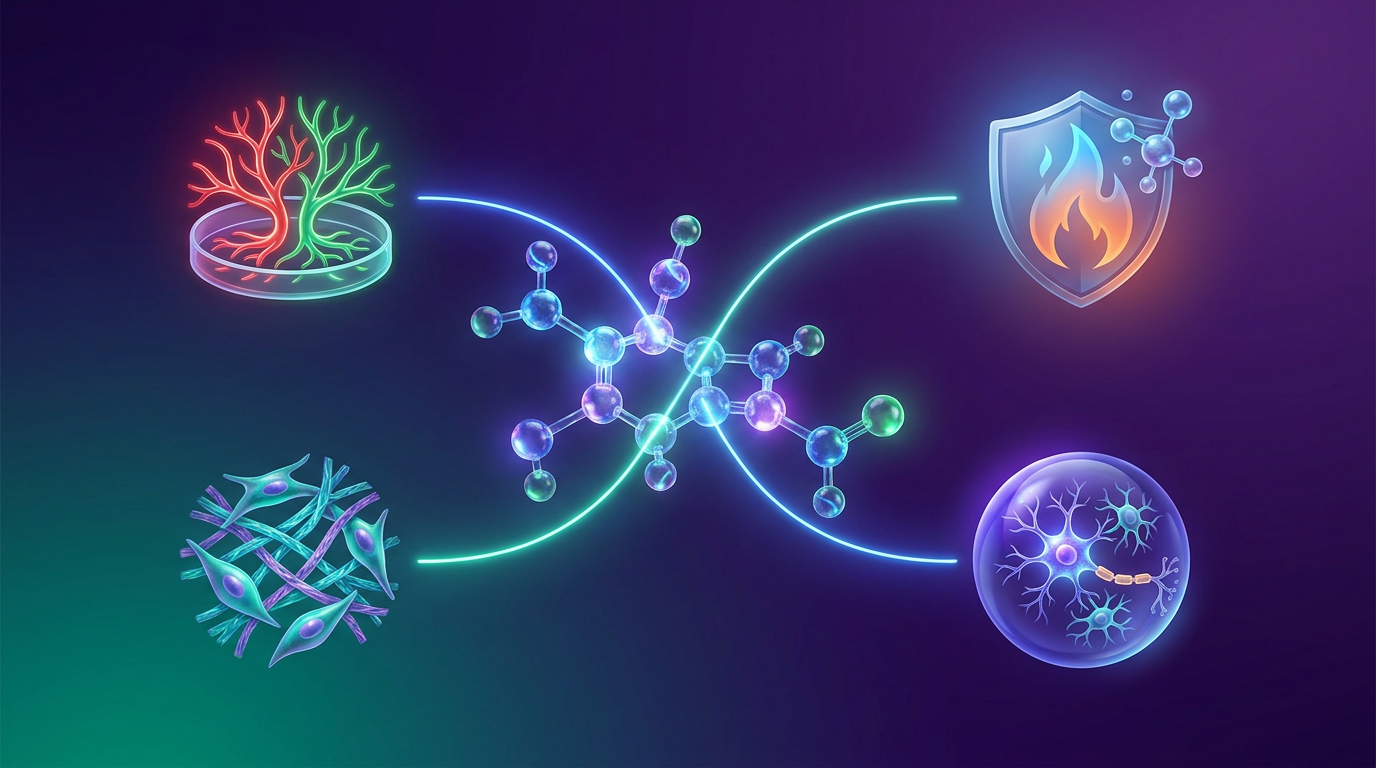
* **Angiogenesis Promotion:** A prominent mechanism observed in numerous studies is BPC-157's ability to promote angiogenesis, the formation of new blood vessels. This is critical for tissue repair, as adequate blood supply delivers essential nutrients, oxygen, and growth factors to injured sites while removing waste products. Research suggests BPC-157 may upregulate growth factors like Vascular Endothelial Growth Factor (VEGF) and enhance endothelial cell migration and proliferation.
* **Fibroblast Activation and Collagen Production:** BPC-157 appears to stimulate the activity of fibroblasts, cells crucial for synthesizing extracellular matrix components, particularly collagen. This effect is vital for the structural integrity of healing tissues, including tendons, ligaments, and muscle. Enhanced collagen synthesis and organization contribute to stronger, more resilient repaired tissues.
* **Growth Hormone Receptor Signaling Modulation:** Some studies indicate that BPC-157 may interact with the growth hormone axis, potentially influencing growth hormone receptor signaling. This could contribute to its anabolic and regenerative effects, particularly in musculoskeletal tissues. This area requires further elucidation to confirm direct modulation or indirect effects.
* **Nitric Oxide (NO) System Modulation:** BPC-157 has been observed to modulate the nitric oxide system, which plays a critical role in vasodilation, blood flow regulation, and inflammatory responses. Its influence on NO production and activity may contribute to improved blood flow to injured areas and anti-inflammatory effects.
* **Anti-inflammatory and Antioxidant Properties:** In various research models, BPC-157 has demonstrated anti-inflammatory effects by modulating cytokine expression and inhibiting inflammatory pathways. It also appears to possess antioxidant properties, protecting cells from oxidative stress and subsequent damage, which is a common feature of injury and disease.
* **Cytoprotection and Cell Survival:** BPC-157 shows a remarkable capacity for cytoprotection, safeguarding cells against various noxious stimuli, including gastric mucosal lesions, liver damage from toxins, and neuronal injury. This cytoprotective effect may involve stabilization of cell membranes, regulation of cellular apoptosis, and enhancement of cell survival pathways.
* **Receptor Interaction (Hypothesized):** While specific receptor binding has not been definitively identified, researchers hypothesize that BPC-157 likely interacts with specific cellular receptors or signaling molecules to initiate its cascade of effects. Identifying these direct binding partners remains a key area for future investigation.
These multifaceted mechanisms underscore BPC-157's potential as a broad-spectrum regenerative agent in research models, supporting its widespread study in different tissue injury contexts.
### What the Research Shows: Key Findings from In-vitro and In-vivo Studies
The scientific literature on BPC-157 spans several decades, with a significant increase in publications in recent years. Researchers globally, including those at labs specializing in lab peptides in Europe, have explored its effects across a diverse range of injury and disease models. Here's a summary of key research areas:
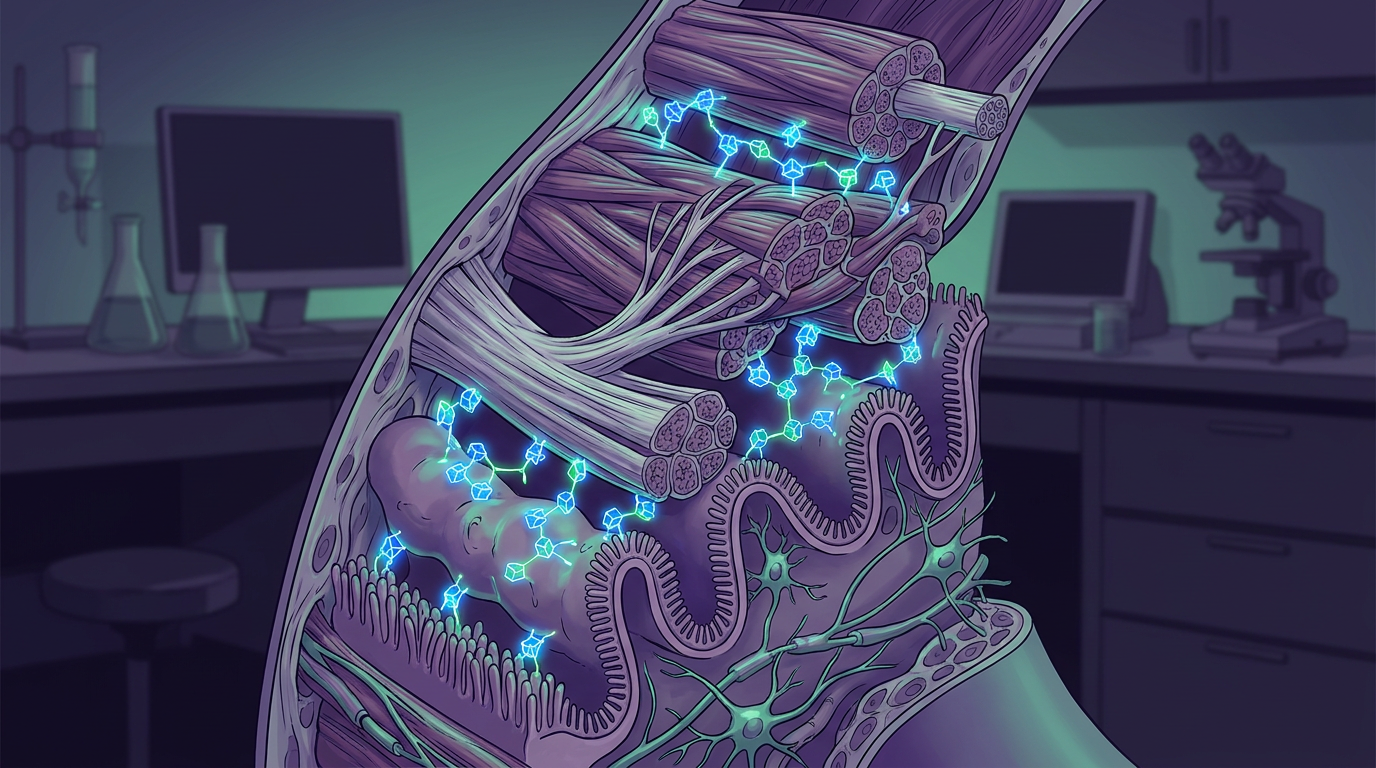
* **Musculoskeletal Injury Repair (e.g., Tendons, Ligaments, Muscle):** Numerous studies, particularly in rodent models (e.g., _Sikiric et al., 2003; Stupnisek et al., 2011; Sikiric et al., 2005_), have investigated BPC-157's capacity to accelerate the healing of tendons, ligaments, and muscles. Research indicates improved functional recovery, enhanced collagen organization, and increased cellular proliferation at injury sites. For instance, in a rat model of Achilles tendon injury, BPC-157 administration led to significant histological and biomechanical improvements. Similar findings have been reported for quadriceps muscle contusions and anterior cruciate ligament (ACL) defects. The peptide appears to foster a more organized and robust repair process compared to controls.
* **Gastrointestinal Tract Integrity and Ulcer Healing:** Reflecting its origin, BPC-157 has been extensively studied for its protective effects on the gastrointestinal mucosa. Research (e.g., _Sikiric et al., 1993; Sikiric et al., 2013_) has consistently shown its ability to prevent and heal various forms of gastric and intestinal lesions, including those induced by NSAIDs, alcohol, and stress. It promotes mucosal defense, maintains epithelial integrity, and accelerates ulcer closure in diverse animal models. This cytoprotective action extends to preventing and reversing systemic side effects associated with GI damage, such as pancreatic lesions and liver damage.
* **Nervous System Protection and Recovery:** Emerging research suggests BPC-157 may possess neuroprotective properties. Studies in models of traumatic brain injury (TBI), spinal cord injury (SCI), and peripheral nerve injury have indicated potential for improved functional recovery and reduced neuronal damage (e.g., _Sikiric et al., 2012; Vuksic et al., 2019_). Its ability to modulate nitric oxide and inflammation, alongside promoting angiogenesis, may contribute to these effects. Research into its role in mitigating neuroinflammation and supporting neuronal survival is ongoing.
* **Cardiovascular System Effects:** Investigations have explored BPC-157's effects on the cardiovascular system, particularly in models of ischemia-reperfusion injury and arrhythmias (e.g., _Jelovac et al., 1999_). It has demonstrated protective effects against cardiac damage and improved recovery outcomes in some models. Its interaction with the nitric oxide system and anti-inflammatory properties are thought to be relevant in this context.
* **Wound Healing (Skin):** Beyond musculoskeletal and internal organ healing, BPC-157 has shown promise in accelerating cutaneous wound healing. Studies have reported enhanced re-epithelialization, increased collagen deposition, and improved wound contraction rates in excisional wound models (e.g., _Novinscak et al., 2011_). This aligns with its broader pro-angiogenic and pro-fibroblastic properties.
* **Inflammatory Bowel Disease (IBD) Models:** In models resembling inflammatory bowel disease, BPC-157 has been shown to reduce inflammation and promote mucosal healing (e.g., _Sikiric et al., 2004_). Its anti-inflammatory effects and ability to maintain gut barrier integrity are key factors in these observations, positioning it as a subject of interest for conditions involving chronic inflammation and tissue damage within the gut.
These findings collectively illustrate a peptide with broad regenerative capabilities across multiple organ systems, although the vast majority of this evidence comes from preclinical animal and in-vitro studies.
### Comparison with Other Regenerative Research Peptides
When considering BPC-157 within the broader landscape of regenerative research peptides, several distinctions and overlaps become apparent. Many research peptides aim to modulate specific growth factors, inflammatory pathways, or cellular processes to achieve regenerative outcomes.
| Feature/Peptide | BPC-157 | Thymosin Beta-4 (TB-500) | GHK-Cu | | :------------------------- | :------------------------------------------------------------------------------------------------------------- | :------------------------------------------------------------------------------------------------------- | :------------------------------------------------------------------------------------------------------------ | | **Primary Focus (Research)** | Broad tissue regeneration, cytoprotection, anti-inflammatory, angiogenesis, musculoskeletal repair, GI healing. | Actin modulation, cell migration, angiogenesis, inflammation, wound healing. | Copper delivery, collagen synthesis, antioxidant, anti-inflammatory, wound healing, skin regeneration. | | **Mechanism** | Angiogenesis, fibroblast activation, NO modulation, cytoprotection, growth hormone axis interaction (hypothetical). | Regulates actin cytoskeleton, promotes cell migration (endothelial, keratinocytes, fibroblasts), anti-inflammatory. | Binds copper, facilitates copper-dependent enzyme activity, promotes collagen/elastin, antioxidant defenses. | | **Tissue Specificity** | Broad-spectrum (GI, MSK, CNS, CV, skin). | Broad (skin, cardiac, neural, muscle). | Skin, hair follicles, connective tissue. | | **Origin** | Synthetic partial sequence of human gastric protein BPC. | Naturally occurring, ubiquitous protein. | Naturally occurring human plasma copper-binding peptide. | | **Stability** | Highly stable, including in gastric acid. | Relatively stable. | Stable in biological fluids. |
While BPC-157 demonstrates broad regenerative capabilities by influencing multiple pathways, including angiogenesis and fibroblast activity, peptides like Thymosin Beta-4 (TB-500) primarily focus on modulating the actin cytoskeleton to enhance cell migration and proliferation. GHK-Cu, another well-researched peptide, centers on copper delivery to tissues, which is crucial for collagen synthesis and antioxidant defense, predominantly studied in skin and connective tissue regeneration.
BPC-157's unique gastric origin and its observed stability in acidic environments set it apart, suggesting an evolutionary role in mucosal protection that has been leveraged for systemic regenerative applications in research. The breadth of its studied effects across GI, musculoskeletal, and nervous systems is particularly noteworthy, indicating a versatile peptide for fundamental regenerative research. Many of these peptides, including those studied by organizations dealing with lab peptides in Europe, are often investigated in combination with BPC-157 to explore synergistic effects on tissue repair and regeneration.
### Open Research Questions and Evidence Gaps
Despite the substantial volume of preclinical research on BPC-157, several critical questions and evidence gaps remain. Addressing these will be essential for a comprehensive understanding of its biological activity and potential applicability.
* **Precise Receptor Identification:** While BPC-157's effects are well-documented, the specific cellular receptor(s) or binding partners responsible for initiating its signaling cascade remain largely unidentified. Pinpointing these interactions would provide a clearer understanding of its primary targets and downstream pathways, allowing for more targeted investigations. * **Dose-Response Relationships and Optimal Administration:** The vast majority of studies employ a range of doses and administration routes (e.g., subcutaneous, oral, intraperitoneal, local injection). A more systematic evaluation of dose-response relationships across different injury models and species would be beneficial to establish optimal experimental parameters and understand efficacy limits. This is particularly relevant for laboratories working with various lab peptides in Europe and beyond. * **Long-term Safety and Pharmacokinetics:** While generally well-tolerated in acute preclinical studies, long-term safety profiles, including potential effects on chronic inflammatory processes or immune responses, are less understood. Comprehensive pharmacokinetic and pharmacodynamic studies, including metabolism and excretion, are also needed to fully characterize its behavior in biological systems. * **Mechanistic Overlap with Other Peptides:** How BPC-157's mechanisms precisely interact or overlap with other known endogenous growth factors or repair peptides needs further investigation. Understanding these synergistic or antagonistic relationships could inform novel combination research strategies. * **Disease-Specific Efficacy in Complex Models:** While promising in injury models, its efficacy in more complex, chronic disease models that involve multi-factorial pathology, such as autoimmune conditions or severe degenerative diseases, requires more extensive exploration. The transition from acute injury models to chronic disease states presents distinct challenges for regenerative therapies. * **Comparative Efficacy Data:** Head-to-head comparisons with established regenerative agents or other research peptides in standardized models are relatively scarce. Such comparisons would help position BPC-157 within the broader landscape of regenerative research. This will allow researchers to ascertain its unique advantages and limitations more clearly.
Addressing these questions will help refine the research trajectory for BPC-157, moving towards a deeper and more nuanced understanding of its biological actions.
### Risks and Evidence Gaps for Laboratory Researchers
For laboratory researchers working with BPC-157, understanding the current evidence landscape, including its limitations, is paramount for designing robust and ethically sound experiments.
**Known Risks & Considerations in Research:**
* **Limited Human Data:** The vast majority of available data is from animal and _in-vitro_ models. Direct translation to human physiology is not established and should not be assumed. Researchers must strictly adhere to preclinical research protocols. * **Reproducibility Challenges:** As with many novel research compounds, reproducibility can be a challenge. Variations in peptide purity from different suppliers, experimental protocols, and animal models can lead to discrepancies in results. Sourcing high-quality lab peptides from Europe or reputable suppliers is crucial. * **Off-target Effects:** While generally considered safe in preclinical models, the full spectrum of potential off-target effects at high doses or long-term administration is not yet completely elucidated. Thorough toxicological assessments are ongoing in some research programs. * **Immunogenicity:** The potential for BPC-157 to elicit an immune response, particularly with repeated administration, requires further investigation. While less common with small peptides, it remains a consideration for long-term studies.
**Evidence Gaps Relevant to Experimental Design:**
* **Standardized Dosing and Routes:** A lack of fully standardized dosing regimens and administration routes across studies means researchers often need to conduct dose-ranging studies, which can be resource-intensive. * **Mechanism Elucidation:** Without a fully defined receptor or direct molecular target, researchers must often rely on observation of downstream effects. This can make designing experiments to test specific mechanistic hypotheses more complex. * **Long-term Outcomes:** Most studies focus on acute or sub-acute healing phases. The long-term impact on tissue quality, recurrence rates, and potential compensatory mechanisms are less explored. * **Interaction with Co-morbidities:** Research often uses otherwise healthy animal models. How BPC-157 interacts with pre-existing conditions (e.g., diabetes, obesity, advanced age) that can impair healing is an important area for future investigation.
Researchers should exercise scientific rigor, meticulous experimental design, and critical appraisal of existing literature to navigate these considerations effectively. Emphasis on controls, blinding, and appropriate statistical analysis is essential when exploring the regenerative role of BPC-157.
### Practical Laboratory Considerations for BPC-157 Research
For researchers actively investigating BPC-157, several practical aspects are crucial for ensuring experimental integrity and reproducible results. These considerations are particularly relevant for facilities engaged in the study of lab peptides in Europe and other regions.
1. **Peptide Sourcing and Purity:** * **Reputable Suppliers:** Always source BPC-157 from suppliers that provide clear Certificates of Analysis (CoA) detailing purity (typically >95% via HPLC) and mass spectrometry data. Variation in peptide quality can significantly impact experimental outcomes. * **Storage:** Store lyophilized peptide at -20°C. Once reconstituted, store at 4°C and use within a short timeframe (typically 7-14 days) to maintain stability and potency.