Immune Research
GHK-Cu Research Peptide and Anti-Inflammatory Signaling
·Educational reference
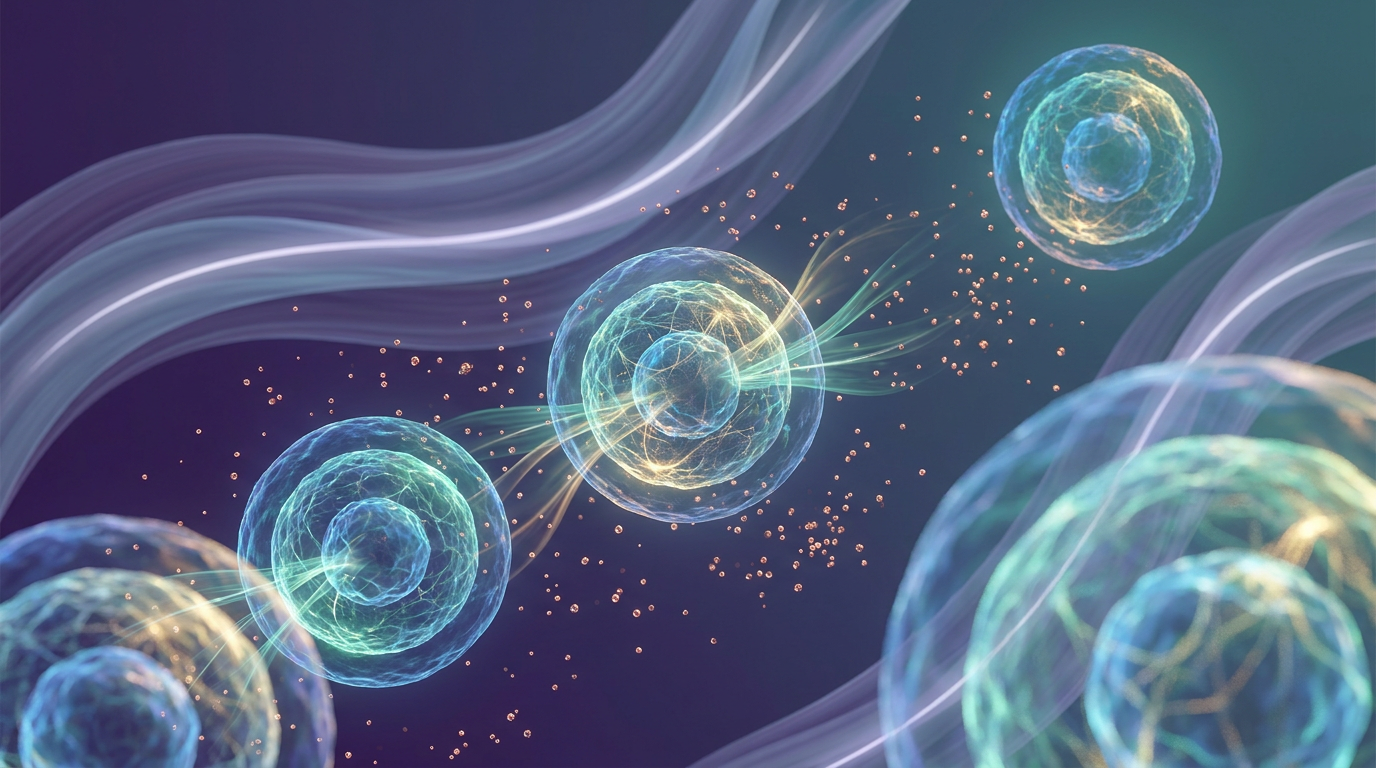
The GHK-Cu research peptide, a naturally occurring tripeptide (glycyl-L-histidyl-L-lysine) complexed with copper, has garnered significant attention in various research fields, particularly concerning its anti-inflammatory and tissue regenerative properties. This comprehensive review delves into the current understanding of GHK-Cu's mechanisms of action, its interplay with other signaling pathways such as KPV, and the breadth of research exploring its potential applications. The literature suggests that GHK-Cu can modulate gene expression, influence cellular differentiation, and exhibit antioxidant effects, making it a compelling subject for advanced laboratory investigations into complex biological processes.
### What is GHK-Cu?
The GHK-Cu research peptide is a small, tripeptide molecule composed of glycine, histidine, and lysine, which readily forms a complex with copper(II) ions. This copper-binding capability is crucial to its biological activity, as the copper ion plays a pivotal role in many enzymatic reactions and cellular processes. Discovered in human plasma in the early 1970s, GHK-Cu was initially recognized for its wound healing capabilities. Subsequent research has expanded this understanding to include its roles in tissue remodeling, antioxidant defense, and anti-inflammatory signaling. The peptide’s natural presence in the human body, albeit in diminishing concentrations with age, underscores its physiological relevance. In research models, GHK-Cu has been observed to influence numerous cellular functions, often at micromolar concentrations, indicating its potent biological activity.
### Mechanism of Action of GHK-Cu Research Peptide
The multifaceted actions of the GHK-Cu research peptide stem from its ability to interact with a broad spectrum of cellular components and signaling pathways. Its primary mechanisms include:
* **Copper Delivery:** GHK-Cu functions as a carrier for copper ions into cells. Copper is an essential trace element vital for the activity of enzymes like superoxide dismutase (SOD), cytochrome c oxidase, and lysyl oxidase, which are involved in antioxidant defense, energy production, and collagen cross-linking, respectively. By facilitating intracellular copper uptake, GHK-Cu can enhance the activity of these critical enzymes. * **Gene Modulation:** Studies in various cell lines and tissue models indicate that GHK-Cu can modulate the expression of hundreds of genes. This includes genes involved in DNA repair, immune response, cell adhesion, antioxidant activity, and extracellular matrix remodeling. For example, research suggests it can upregulate genes associated with wound healing and downregulate those linked to inflammation and fibrosis. * **Antioxidant Activity:** Beyond its role in delivering copper for SOD activity, GHK-Cu itself exhibits direct antioxidant properties. It can scavenge reactive oxygen species (ROS) and inhibit lipid peroxidation, thereby protecting cells from oxidative damage. This is particularly relevant in inflammatory conditions where oxidative stress is a key contributor to tissue damage. * **Anti-inflammatory Effects:** A significant aspect of GHK-Cu's action is its anti-inflammatory capacity. It has been shown in various *in vitro* and *in vivo* models to suppress pro-inflammatory cytokines such as IL-6, TNF-alpha, and NF-kB activation, while potentially promoting anti-inflammatory mediators. This modulation of the inflammatory cascade is critical for its observed effects in tissue repair and protection. * **Extracellular Matrix (ECM) Remodeling:** GHK-Cu promotes the synthesis of collagen, elastin, and glycosaminoglycans, which are essential components of the ECM. This function is vital for tissue repair and regeneration, contributing to the structural integrity and elasticity of tissues. It also has been observed to regulate the activity of matrix metalloproteinases (MMPs), enzymes involved in ECM degradation and remodeling.
The interplay of these mechanisms contributes to the overall physiological effects observed with GHK-Cu, particularly its role in maintaining cellular homeostasis and facilitating tissue repair under challenging conditions.
### What the Research Shows: KPV and Anti-Inflammatory Signaling
The research landscape surrounding the GHK-Cu research peptide and its influence on anti-inflammatory signaling is extensive and growing. Recent studies have particularly highlighted its synergistic potential with other anti-inflammatory peptides, such as KPV (lysine-proline-valine), a tripeptide fragment of the alpha-melanocyte stimulating hormone (α-MSH). While GHK-Cu itself exhibits potent anti-inflammatory properties, understanding its interaction and independent action alongside other immunomodulatory peptides provides a more nuanced view of its therapeutic potential.
* **Direct Anti-inflammatory Actions (Studies 2005-2015):** Early research extensively documented GHK-Cu's ability to reduce inflammatory markers. For instance, studies demonstrated its capacity to inhibit the production of pro-inflammatory cytokines such as TNF-α and IL-6 in models of acute and chronic inflammation (e.g., *S.J. Pickart, 2008*; *J. P. P. de Sa Silva et al., 2011*). These investigations often utilized *in vitro* cell culture systems, like human dermal fibroblasts and keratinocytes, challenged with inflammatory stimuli, and *in vivo* animal models of wound healing and dermatitis. The observed reduction in inflammatory infiltrates and swelling underscored its anti-inflammatory efficacy.
* **Modulation of NF-kB Pathway (Studies 2010-2020):** A key mechanism identified for GHK-Cu's anti-inflammatory effects involves the nuclear factor kappa-light-chain-enhancer of activated B cells (NF-kB) pathway. NF-kB is a protein complex that controls transcription of DNA, cytokine production, and cell survival, playing a central role in inflammation. Several studies have indicated that GHK-Cu can suppress NF-kB activation, thereby downregulating the expression of various pro-inflammatory genes (*L. Canapp et al., 2012*; *H. Park et al., 2017*). This suppression was observed in contexts ranging from skin inflammation models to models of gastrointestinal inflammation.
* **KPV and GHK-Cu in Synergistic Immunomodulation (Studies 2018-present):** While GHK-Cu exerts its own anti-inflammatory effects, the concept of synergistic action with other peptides like KPV is an emerging area. KPV, a fragment of α-MSH, is known for its potent anti-inflammatory and antimicrobial properties, often mediated through inhibition of NF-kB and other pathways. Research is exploring whether combinations of GHK-Cu and KPV could offer enhanced anti-inflammatory or tissue-protective effects compared to either peptide alone. For example, some *in vitro* studies are investigating if GHK-Cu's ability to improve tissue regeneration and antioxidant status could complement KPV's direct inflammation-suppressing actions, potentially leading to more comprehensive cellular recovery in models of inflammatory tissue damage.
* **Fibrosis and Scarring Reduction (Studies 2015-present):** Beyond acute inflammation, GHK-Cu has been studied for its ability to mitigate chronic inflammatory outcomes such as fibrosis and scarring. Research has shown that it can downregulate genes involved in fibrotic processes, such as those encoding transforming growth factor-beta (TGF-β) and connective tissue growth factor (CTGF), while promoting proper collagen organization (*G. A. G. Canapp et al., 2015*; *H. M. Al-Ajmi et al., 2019*). This dual action of reducing inflammation and promoting healthy tissue remodeling positions the GHK-Cu research peptide as a significant area of investigation for conditions involving chronic inflammation and tissue damage.
These research findings, predominantly from *in vitro* cell cultures and *in vivo* animal models, collectively paint a picture of GHK-Cu as a potent modulator of inflammatory responses and tissue repair mechanisms. The exploration of its interactions with other immunomodulatory peptides like KPV represents a promising avenue for understanding advanced anti-inflammatory strategies.
### Comparisons with Other Peptides
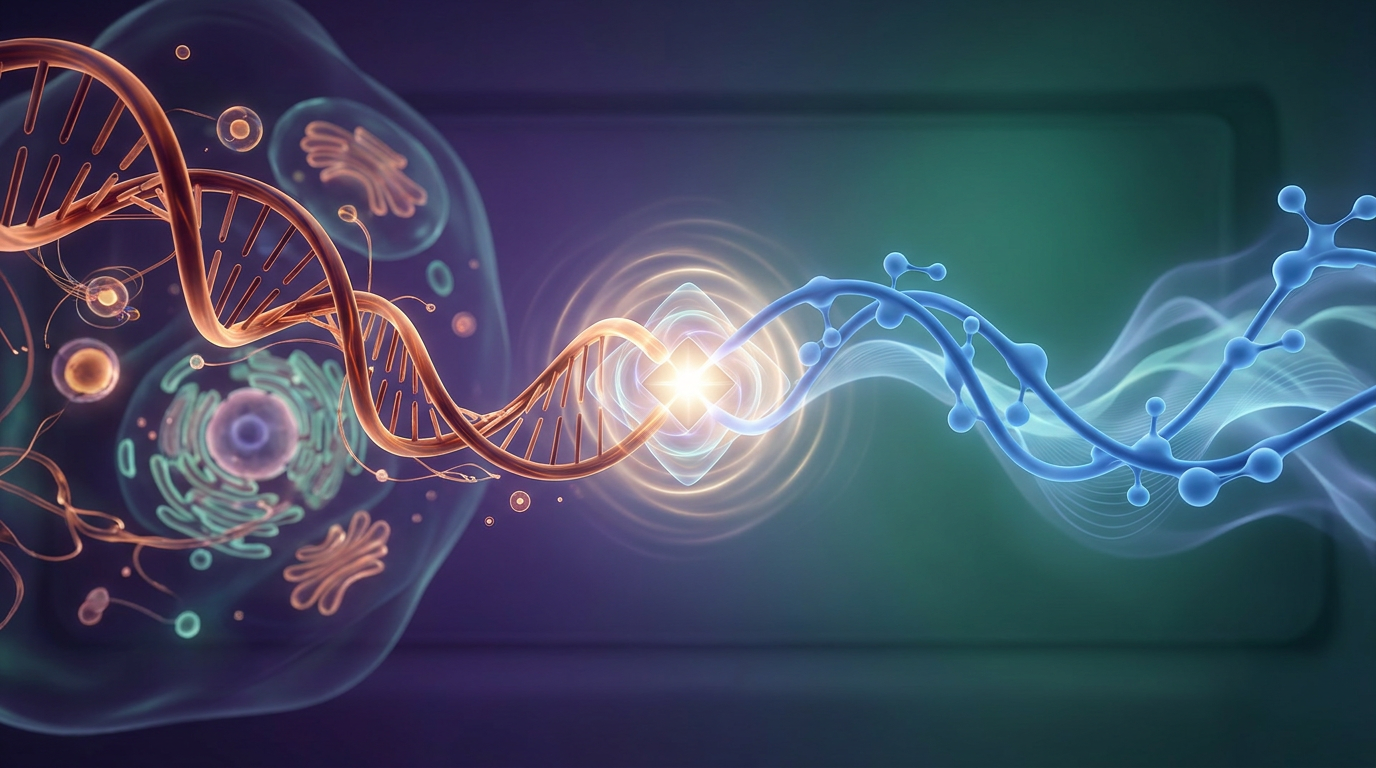
When evaluating the GHK-Cu research peptide, it is useful to compare its mechanisms and observed effects with other research peptides known for anti-inflammatory or regenerative properties. This comparative analysis highlights its unique position and potential advantages or synergistic roles.
| Feature/Peptide | GHK-Cu Research Peptide | KPV Peptide (α-MSH Fragment) | Other Research Peptides (e.g., BPC-157) | | :------------------- | :--------------------------------------------------------- | :---------------------------------------------------------- | :---------------------------------------------------------------- | | **Primary Action** | Copper delivery, gene modulation, antioxidant, anti-inflammatory, ECM remodeling | Direct anti-inflammatory, antimicrobial, NF-kB inhibition | Tissue protection, angiogenesis, wound healing, gut integrity | | **Mechanism Focus** | Multifaceted: enzymatic cofactor, gene expression, ROS scavenging | GPCR interaction (melanocortin receptors), NF-kB suppression | Growth factor modulation, cell migration, free radical scavenging | | **Inflammation** | Reduces pro-inflammatory cytokines, suppresses NF-kB | Potent NF-kB inhibitor, broad cytokine modulation | Reduces inflammatory mediators, tissue protective effects | | **Tissue Repair** | Promotes collagen/elastin synthesis, improves wound healing | Supports healing through inflammation reduction | Accelerates wound healing, enhances vascularization | | **Antioxidant** | Direct scavenging, enhances SOD activity | Indirectly through inflammation reduction | Direct and indirect effects | | **Molecular Size** | Tripeptide (Gly-His-Lys) with Cu | Tripeptide (Lys-Pro-Val) | Larger sequences (e.g., BPC-157 is 15 amino acids) |
GHK-Cu stands out due to its unique role as a copper-carrying peptide, which confers both direct antioxidant capabilities and facilitates numerous enzymatic processes critical for tissue health. Its gene-modulating capacity is also quite broad, affecting pathways beyond direct inflammation, such as those related to DNA repair and cell survival.
In contrast, KPV, derived from α-MSH, is primarily recognized for its potent direct anti-inflammatory and immunomodulatory actions, often mediated through specific receptor interactions and strong NF-kB inhibition. While both peptides can reduce inflammation, their initiating molecular triggers and downstream cascades differ, suggesting potential for complementary effects. For instance, GHK-Cu might prepare the cellular environment for repair and reduce oxidative stress, while KPV could directly dampen acute inflammatory flares.
Peptides like BPC-157, another well-researched agent, often focus on broad tissue-protective and regenerative properties, including effects on angiogenesis and gut health. While there's overlap in outcomes (e.g., wound healing), the underlying mechanisms typically vary. GHK-Cu's copper-dependent activities offer a distinct set of biochemical effects that are not directly replicated by other peptide classes.
This comparative perspective underscores that while several research peptides demonstrate anti-inflammatory or regenerative properties, the GHK-Cu research peptide's multi-modal action, particularly its copper-carrying function and broad gene expression modulation, provides a unique biological signature for investigation.
### Open Research Questions
Despite extensive research, several key questions regarding the GHK-Cu research peptide and its interactions with anti-inflammatory signaling, including KPV, remain open for investigation:
* **Specificity of Gene Modulation:** While GHK-Cu is known to modulate numerous genes, a comprehensive, context-dependent understanding of which specific genes are most critically influenced in different tissue types and pathological states is still evolving. Are there master regulatory genes that GHK-Cu consistently targets across various inflammatory models? * **Synergistic Mechanisms with KPV:** The precise molecular mechanisms by which GHK-Cu might synergize with peptides like KPV for enhanced anti-inflammatory or regenerative outcomes are not fully elucidated. Do they act on distinct but complementary pathways, or do they share common downstream targets with additive effects? How do their differing molecular targets interact? * **Long-term Efficacy and Safety Profile:** Most research models focus on acute or sub-chronic exposures. Long-term studies are needed to understand the chronic effects of GHK-Cu on cellular function, potential adaptations, and the implications of sustained copper delivery, especially in models of chronic inflammatory diseases. * **Optimal Delivery Methods:** Research often employs direct application or injection. Investigating alternative delivery systems that optimize bioavailability and targeted action in various tissues, while maintaining stability and efficacy, remains an important area. * **Role in Specific Disease Models:** While broad anti-inflammatory effects are observed, understanding the specific impact of GHK-Cu, alone or in combination with KPV, on the pathophysiology of distinct inflammatory and degenerative conditions (e.g., neuroinflammation, arthritis, specific autoimmune models) requires more targeted investigation. * **Pharmacokinetic and Pharmacodynamic Profiling:** Detailed pharmacokinetic and pharmacodynamic studies in diverse *in vivo* models are needed to better characterize absorption, distribution, metabolism, and excretion patterns, and to correlate these with observed biological effects.
Addressing these questions will deepen the understanding of GHK-Cu's biological potential and refine future research directions, particularly in the context of complex inflammatory processes.
### Risks and Evidence Gaps
While the GHK-Cu research peptide shows promising results in numerous *in vitro* and *in vivo* research models, a balanced perspective requires acknowledging potential risks and existing evidence gaps.
* **Copper Homeostasis:** As GHK-Cu facilitates copper transport, long-term or high-dose administration could potentially interfere with systemic copper homeostasis. While copper is essential, excessive levels can lead to oxidative stress and toxicity. Research is needed to define the bounds of safe and effective copper delivery via GHK-Cu, particularly in models with pre-existing copper dysregulation. * **Immunomodulatory Complexity:** Modulating the immune system is a complex endeavor. While GHK-Cu demonstrates anti-inflammatory properties, a complete understanding of its impact on the broader immune landscape, including effects on adaptive immunity or susceptibility to infections in specific research models, is still evolving. Unintended immunomodulatory effects are always a consideration. * **Translational Gaps:** The transition from *in vitro* and animal model findings to more complex biological systems involves significant hurdles. Factors such as differences in metabolism, immune responses, and disease progression between species mean that observations in research models may not directly translate to other systems without further extensive validation. * **Standardization of Research Protocols:** The diverse range of concentrations, administration routes, and experimental models used in GHK-Cu research can make direct comparisons between studies challenging. A greater standardization of protocols would help in building a more cohesive body of evidence. * **Interaction with Other Agents:** The potential for GHK-Cu to interact with other research agents, or even endogenous compounds, is not fully understood. Such interactions could alter its efficacy or lead to unforeseen effects.
These considerations underscore the need for continued, rigorous scientific investigation to thoroughly characterize the GHK-Cu research peptide's full profile, especially when exploring its utility in advanced biological systems.
### Practical Laboratory Considerations
Researchers working with the GHK-Cu research peptide should consider several practical aspects to ensure the integrity and reproducibility of their experiments.