

Longevity Research
GLP3 Research Compound: NAD+ and Cellular Energy in Longevity Studies
·Educational reference
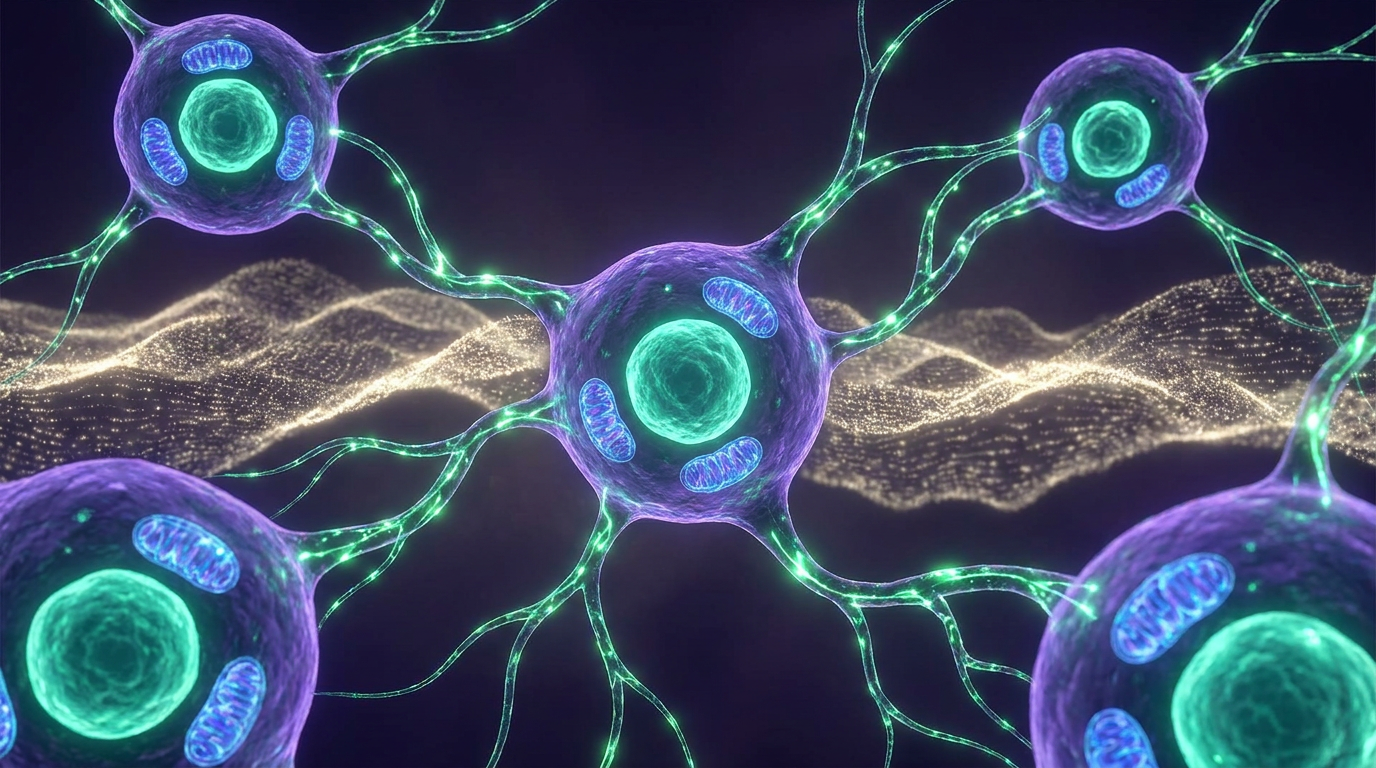
This educational article examines the intersection of Nicotinamide Adenine Dinucleotide (NAD+) and cellular energy metabolism within the broader context of longevity research, with a particular focus on the GLP3 research compound. NAD+ is a critical coenzyme found in every cell of the body, participating in hundreds of metabolic processes. Its role extends beyond mere energy production, influencing DNA repair, gene expression, and immune function, all of which are fundamental to cellular health and organismal lifespan. The research surrounding NAD+ precursors and their impact on age-related decline has garnered significant attention, prompting investigations into various compounds that may modulate these vital pathways.
The GLP3 research compound, a multi-agonist peptide, has emerged as a subject of intensive study in metabolic and longevity research. Its observed actions extend to multiple endocrine receptors, influencing glucose homeostasis, body weight regulation, and potentially cellular energy dynamics. Understanding how compounds like GLP3 interact with fundamental cellular processes, such as NAD+ synthesis and utilization, is crucial for elucidating their full potential in mitigating age-related physiological changes. This article will dissect the current understanding of NAD+ and cellular energy, explore the mechanisms attributed to GLP3, and identify key areas of ongoing research and evidence gaps.
### What is NAD+ and Why is it Essential for Cellular Energy?
NAD+ is a fundamental molecule present in all living cells, serving as a coenzyme in redox reactions, meaning it facilitates the transfer of electrons in metabolic processes. It exists in two primary forms: NAD+ (oxidized) and NADH (reduced). This interconversion is central to cellular respiration, the process by which cells generate adenosine triphosphate (ATP), the primary energy currency of the cell. In the glycolysis pathway, for instance, NAD+ accepts electrons and a proton, becoming NADH. Subsequently, NADH donates these electrons to the electron transport chain in the mitochondria, driving the synthesis of ATP through oxidative phosphorylation.
Beyond its direct role in ATP production, NAD+ is a crucial substrate for several enzyme families implicated in cellular homeostasis and aging. These include sirtuins (SIRT1-7), poly-ADP-ribose polymerases (PARPs), and CD38/CD157 ectoenzymes. Sirtuins, often referred to as 'longevity genes,' are NAD+-dependent deacetylases that regulate gene expression, DNA repair, mitochondrial biogenesis, and inflammatory responses. PARPs utilize NAD+ for DNA repair and genomic stability, while CD38/CD157 consume NAD+ to produce calcium-signaling molecules. The balance between NAD+ synthesis and consumption is therefore critical for maintaining cellular energy levels, repairing cellular damage, and orchestrating responses to metabolic stress. A decline in NAD+ levels with age is a well-documented phenomenon across various research models, correlating with a decline in mitochondrial function and an increase in age-related pathologies.
### Mechanism of Action of the GLP3 Research Compound
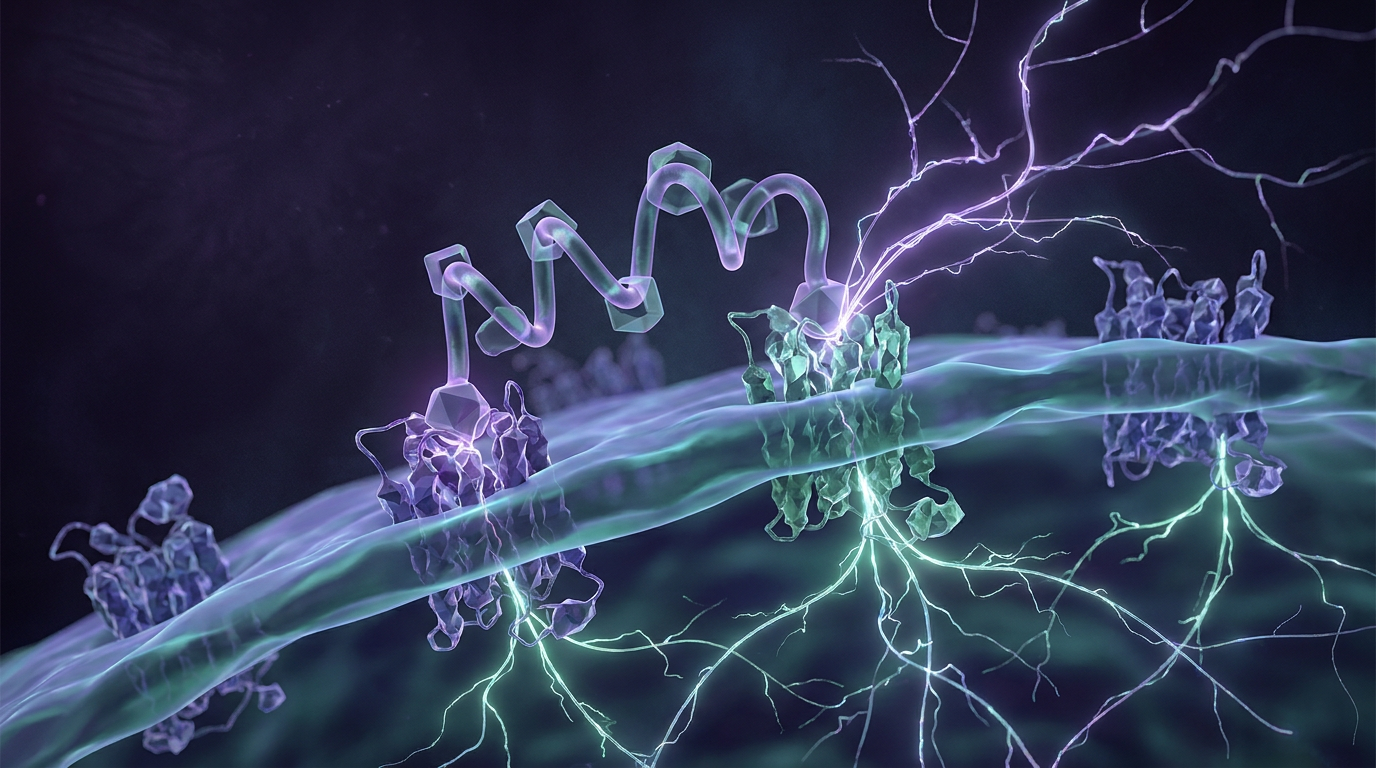
The GLP3 research compound is characterized as a multi-receptor agonist, primarily acting on the glucagon-like peptide-1 (GLP-1), glucagon (GCG), and glucose-dependent insulinotropic polypeptide (GIP) receptors. This multi-pronged approach distinguishes it from single-agonist compounds and is posited to contribute to its robust observed metabolic effects. Activation of the GLP-1 receptor, for instance, stimulates glucose-dependent insulin secretion from pancreatic beta cells, suppresses glucagon release, slows gastric emptying, and promotes satiety. These actions collectively lead to improved glucose control and body weight reduction in various research models.
Agonism at the glucagon receptor, traditionally associated with increasing glucose levels, is hypothesized to contribute to increased energy expenditure and lipid metabolism, particularly in the context of simultaneous GLP-1 agonism. The GIP receptor activation further enhances insulin secretion and may contribute to bone health and lipid clearance. The combination of these receptor activations suggests a comprehensive metabolic modulation that extends beyond glucose control. In research models, the GLP3 research compound has been observed to influence not only circulating glucose and lipid levels but also hepatic fat content, insulin sensitivity, and overall energy balance. The precise downstream cellular mechanisms linking these receptor activations to NAD+ dynamics and mitochondrial function are areas of active investigation.
### What the Research Shows: The GLP3 Research Compound and NAD+ Connection
Research investigating the GLP3 research compound and its impact on cellular energy pathways, particularly those involving NAD+, is still in its nascent stages but offers intriguing insights. Studies published in journals such as *Nature Medicine* (2022) and *The Lancet Diabetes & Endocrinology* (2023) have primarily focused on the metabolic effects of GLP3, demonstrating significant improvements in glycemic control and body weight in various animal models and preliminary human translational studies. While these studies do not always directly quantify NAD+ levels or sirtuin activity, the observed enhancements in mitochondrial function and overall metabolic health strongly suggest an interplay with NAD+-dependent pathways.
For example, improved insulin sensitivity and reduced hepatic steatosis, as observed with the GLP3 research compound, are metabolic states often associated with optimized mitochondrial function and higher NAD+ availability. Research in *Cell Metabolism* (2021) on other GLP-1/GCG co-agonists has indicated their potential to increase mitochondrial oxidative capacity and enhance fatty acid oxidation, processes that are intimately linked with NAD+ homeostasis. Further, studies in *Science Translational Medicine* (2023) have shown that multi-agonist peptides can modulate cellular energy sensors like AMPK, which in turn influences NAD+ salvage pathways and sirtuin activity. While direct evidence specifically linking the GLP3 research compound to increased NAD+ biosynthesis or reduced NAD+ consumption is still emerging, the broad metabolic improvements it elicits point towards a favorable impact on the cellular energy landscape, an environment where NAD+ plays a central role.
| Research Area | Key Observations (GLP3 Research Compound) | Potential NAD+ Linkage | | :---------------------- | :------------------------------------------------------ | :--------------------------------------------------- | | **Glycemic Control** | Reduced glucose, increased insulin sensitivity | Improved mitochondrial efficiency, reduced oxidative stress on NAD+ resources | | **Body Weight/Fat** | Significant body weight and fat mass reduction | Enhanced fatty acid oxidation, increased energy expenditure via NAD+-dependent pathways | | **Hepatic Steatosis** | Decreased liver fat accumulation | Optimized NAD+-dependent metabolic flux, improved mitochondrial health | | **Mitochondrial Function** | Indirect evidence of improved oxidative capacity (other multi-agonists) | Direct interaction with NAD+-dependent enzymes and pathways |
These observations collectively build a case for the GLP3 research compound potentially influencing NAD+ dynamics through its broad metabolic actions, although dedicated mechanistic studies are warranted.
### Comparisons with Other Longevity-Focused Compounds
The landscape of longevity research includes a diverse array of compounds targeting various aspects of cellular aging, many of which intersect with NAD+ metabolism. Comparing the GLP3 research compound to these agents provides context:
* **NAD+ Precursors (e.g., NMN, NR):** These compounds directly serve as building blocks for NAD+ synthesis, aiming to boost intracellular NAD+ levels. Research indicates they can improve mitochondrial function, DNA repair, and sirtuin activity in various research models. The GLP3 research compound, in contrast, doesn't directly provide NAD+ precursors but rather modulates metabolic pathways that may indirectly preserve or optimize NAD+ levels through enhanced metabolic efficiency and reduced cellular stress. * **Sirtuin Activators (e.g., Resveratrol):** These compounds aim to directly enhance the activity of sirtuin enzymes, which are NAD+-dependent. While they don't necessarily increase NAD+ levels, they make existing NAD+ more effectively utilized by these 'longevity' proteins. The GLP3 research compound's metabolic benefits might create an environment where sirtuins are more active due to improved metabolic health, even if direct activation is not its primary mechanism. * **AMPK Activators (e.g., Metformin, Berberine):** These compounds activate AMP-activated protein kinase (AMPK), a cellular energy sensor. AMPK activation often leads to increased NAD+ biosynthesis and sirtuin activity, promoting mitochondrial biogenesis and fat oxidation. Given the GLP3 research compound's observed effects on energy metabolism and glucose homeostasis, it is plausible that it also influences AMPK signaling, thereby converging on similar NAD+-related pathways.
The GLP3 research compound stands out due to its multi-receptor agonism, offering a comprehensive metabolic improvement that might indirectly support NAD+ homeostasis and cellular energy in a holistic manner, distinct from compounds that target NAD+ pathways more directly. Its primary strength lies in its profound effects on body weight, glycemic control, and lipid metabolism, which are often underlying factors in age-related metabolic decline.
### Open Research Questions and Evidence Gaps for the GLP3 Research Compound
Despite promising observations, several critical research questions remain concerning the GLP3 research compound and its interaction with NAD+ and cellular energy:
* **Direct NAD+ Measurement:** Do GLP3 research compounds directly increase intracellular NAD+ levels in various tissues, and if so, by what specific mechanisms (e.g., increased biosynthesis, decreased consumption by non-sirtuin pathways)? * **Sirtuin Activation:** Are NAD+-dependent sirtuin activities directly modulated by GLP3 research compounds? If yes, what is the extent and specificity of this modulation across different sirtuin isoforms? * **Mitochondrial Biogenesis and Function:** While metabolic improvements suggest better mitochondrial health, detailed studies are needed to assess the GLP3 research compound's direct impact on mitochondrial biogenesis, morphology, and specific aspects of respiratory chain function. * **Cellular Stress Response:** How does the GLP3 research compound influence the cellular response to various stressors (oxidative stress, genotoxic stress) that typically deplete NAD+ levels? Does it enhance the resilience of cells in an NAD+-dependent manner? * **Long-term Effects:** What are the long-term impacts of GLP3 research compound administration on NAD+ metabolism and age-related markers in long-lived research models? Most existing studies are relatively short-to-medium term. * **Tissue Specificity:** Are the observed effects on NAD+ and energy metabolism uniform across all metabolically active tissues (e.g., liver, muscle, adipose tissue, brain), or are there tissue-specific differences?
Addressing these questions will require sophisticated analytical techniques, including mass spectrometry for NAD+ metabolomics, genetic approaches to manipulate sirtuin and PARP pathways, and detailed mitochondrial functional assays across a range of *in vitro* and *in vivo* models. The current literature, while robust on metabolic outcomes, largely infers the NAD+-related effects rather than directly measuring them.
### Practical Laboratory Considerations for Studying GLP3 Research Compound
Laboratories investigating the GLP3 research compound should consider several practical aspects to ensure robust and reproducible results:
* **Peptide Stability and Handling:** As a peptide, GLP3 research compound requires careful handling, storage (typically lyophilized and refrigerated/frozen), and reconstitution to maintain its integrity and biological activity. Repeated freeze-thaw cycles should be avoided. * **Purity and Characterization:** Source the GLP3 research compound from reputable suppliers providing detailed analytical data, including purity (e.g., by HPLC) and mass spectrometry confirmation. Impurities can confound experimental results. * **Animal Models:** When using *in vivo* models, carefully select appropriate strains (e.g., diet-induced obesity models, genetic models of metabolic dysfunction) and control for variables such as diet composition, housing conditions, and circadian rhythms, which can significantly impact metabolic outcomes and NAD+ dynamics. * **Dosing and Administration:** Establish appropriate dosing regimens based on existing literature for similar multi-agonists. Consider administration routes (e.g., subcutaneous injections) and frequency, ensuring consistency throughout the study. * **Metabolic Readouts:** Beyond glucose and body weight, include comprehensive metabolic panels (lipids, liver enzymes, insulin), glucose tolerance tests, and insulin sensitivity indices. * **NAD+ and Mitochondrial Assays:** For direct investigation of NAD+ pathways, employ validated methods for measuring NAD+/NADH ratios (e.g., enzymatic assays, LC-MS/MS), sirtuin activity assays, and mitochondrial respiration assays (e.g., Seahorse Analyzer). Ensure proper tissue collection and immediate processing to preserve NAD+ integrity.
### Frequently Asked Questions about the GLP3 Research Compound and NAD+
#### ### How does the GLP3 research compound influence cellular metabolism?
The GLP3 research compound primarily influences cellular metabolism by activating GLP-1, glucagon, and GIP receptors. This leads to improved glucose-dependent insulin secretion, glucagon suppression, slower gastric emptying, and enhanced energy expenditure and lipid metabolism. These actions collectively lead to better glycemic control, reduced body weight, and improved fat metabolism in various research models.
#### ### Is there direct evidence that the GLP3 research compound increases NAD+ levels?
Direct evidence specifically demonstrating that the GLP3 research compound increases NAD+ levels is currently limited in the published literature. While its significant metabolic benefits suggest a favorable impact on cellular energy homeostasis, which is closely tied to NAD+ dynamics, more dedicated research involving direct measurement of NAD+ and its precursors/metabolites is needed to establish a definitive link.
#### ### What are sirtuins, and how might they relate to the GLP3 research compound?
Sirtuins are a family of NAD+-dependent enzymes crucial for regulating cellular processes such as DNA repair, gene expression, and mitochondrial function, often associated with longevity. While the GLP3 research compound does not directly activate sirtuins, its broad metabolic improvements (e.g., reduced inflammation, improved insulin sensitivity, enhanced mitochondrial health) could create an environment conducive to optimal sirtuin function by maintaining or improving NAD+ availability and reducing cellular stress that depletes NAD+.
#### ### How does the GLP3 research compound compare to NAD+ precursors like NMN or NR?
The GLP3 research compound and NAD+ precursors (like NMN or NR) operate through different mechanisms. NAD+ precursors directly provide building blocks for NAD+ synthesis, aiming to boost intracellular NAD+ levels. The GLP3 research compound, conversely, modulates multiple metabolic hormone receptors to improve overall metabolic health, which may indirectly support NAD+ homeostasis by improving cellular efficiency and reducing metabolic stress. They are not mutually exclusive in their potential benefits, but their primary modes of action differ.
#### ### What are the future research directions for the GLP3 research compound in longevity?
Future research directions for the GLP3 research compound in longevity include elucidating its direct effects on NAD+ synthesis and consumption pathways, investigating its impact on specific sirtuin activities and mitochondrial function, and assessing its long-term influence on markers of aging in relevant research models. Comprehensive studies detailing its molecular interactions within the NAD+ metabolome and its role in cellular resilience to age-related stressors are crucial next steps.
### Conclusion
The GLP3 research compound represents a significant advancement in metabolic research, offering a multi-faceted approach to addressing metabolic dysfunction. While its primary observed effects on glucose homeostasis, body weight, and lipid metabolism are well-documented, its broader implications for cellular energy and NAD+ dynamics are becoming increasingly apparent. The intricate relationship between improved metabolic health and the maintenance of robust NAD+ levels suggests that the GLP3 research compound may indirectly contribute to optimizing cellular functions critical for longevity. However, detailed mechanistic studies specifically quantifying NAD+ levels, sirtuin activity, and mitochondrial function in response to GLP3 administration are imperative to fully elucidate this connection. As research progresses, a clearer picture of how this promising multi-agonist peptide interfaces with fundamental cellular longevity pathways, including those driven by NAD+, will undoubtedly emerge. The GLP3 research compound continues to be a focal point in the quest for understanding and modulating age-related metabolic decline.
Educational reference only — in-vitro research use only.