
Metabolic Research
KPV Peptide Research: Navigating Metabolic Signaling Pathways
·Educational reference
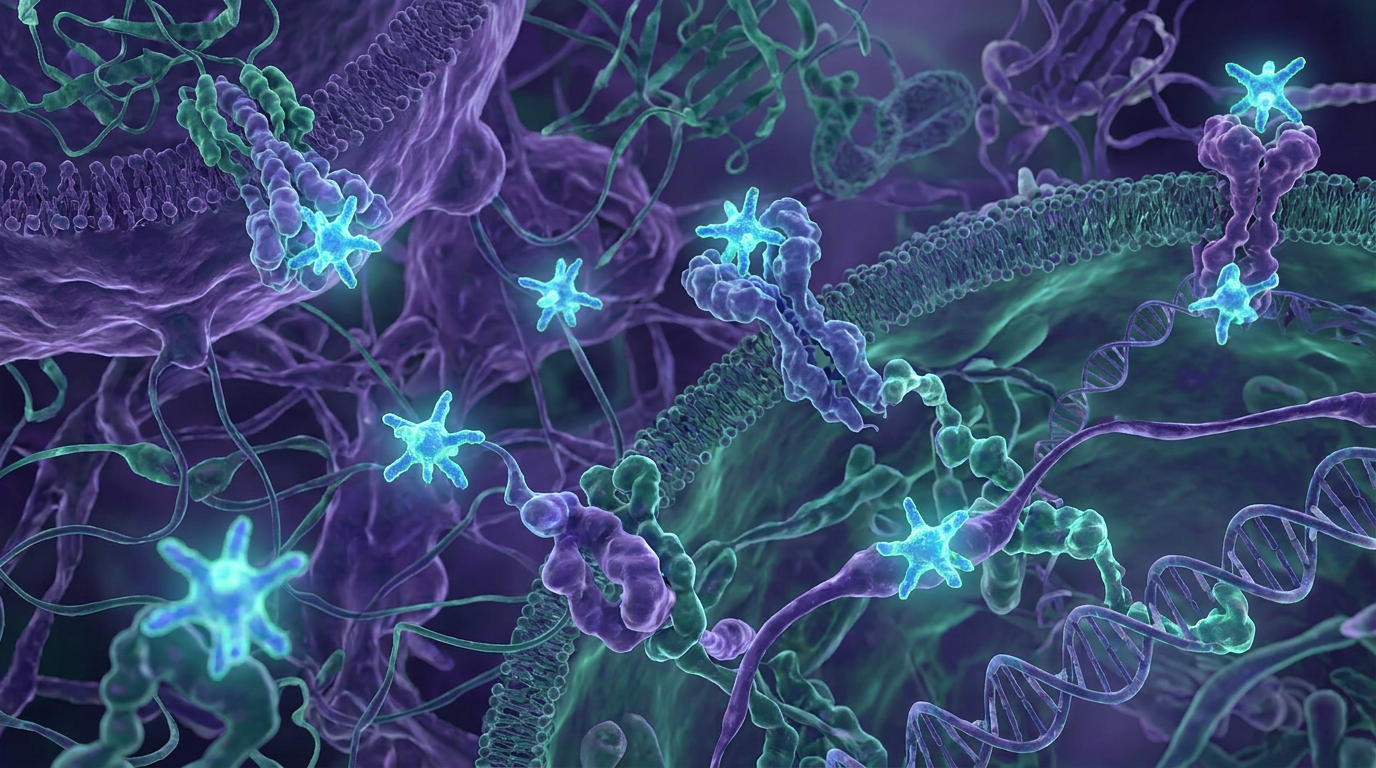
This educational review delves into the foundational and emerging understanding of metabolic signaling pathways, with a particular focus on insights gleaned from **KPV peptide research**. The literature extensively details how various peptide reference compounds serve as invaluable tools for dissecting complex biological cascades. KPV, a tripeptide fragment, has garnered considerable attention in contemporary studies for its multifaceted roles, particularly within inflammatory and metabolic contexts. This article will systematically outline its mechanisms of action, synthesize current research findings, and identify critical open questions, all within the framework of robust scientific inquiry.
KPV Peptide Research: An Overview of the Compound
KPV, a tripeptide derived from alpha-melanocyte-stimulating hormone (α-MSH), is represented by the amino acid sequence Lysine-Proline-Valine. While α-MSH is widely recognized for its roles in pigmentation and neuroregulation, KPV has emerged as a distinct entity with unique biological activities, particularly concerning inflammation and cellular metabolism. Its small size and stability in various experimental settings make it an attractive reference compound for detailed mechanistic studies. Early **KPV peptide research** primarily focused on its anti-inflammatory properties, but subsequent investigations have broadened its scope to include metabolic regulation, wound healing, and antimicrobial effects. Understanding its precise interactions with cellular machinery is paramount for deciphering its potential utility in various biological contexts. The peptide's small molecular weight allows for efficient cellular uptake and interaction with intracellular targets, distinguishing it from larger peptide hormones.
Mechanism of Action: Unraveling KPV's Cellular Interactions
The mechanistic underpinnings of KPV's biological effects are complex and appear to be pleiotropic, involving several interconnected signaling pathways. A primary mechanism identified in numerous studies relates to its ability to modulate nuclear factor-kappa B (NF-κB) signaling. NF-κB is a master regulator of inflammatory responses, and its dysregulation is implicated in various metabolic disorders. KPV has been shown to inhibit NF-κB activation, thereby reducing the transcription of pro-inflammatory cytokines such as TNF-α, IL-6, and IL-1β. This inhibition is often observed at steps upstream of NF-κB nuclear translocation, potentially through interference with IκB kinase (IKK) activity or other components of the NF-κB signaling cascade.
Beyond NF-κB, **KPV peptide research** suggests involvement in other critical pathways. Studies in *in vitro* models have indicated its influence on cellular oxidative stress responses. By modulating reactive oxygen species (ROS) production or enhancing antioxidant enzyme activity, KPV may contribute to cellular homeostasis, an effect that has significant implications for metabolic health. Furthermore, some research points towards an interaction with melanocortin receptors (MCRs), particularly MC1R, given its α-MSH origin. While α-MSH is a known agonist for all five MCRs, KPV's affinity and selectivity for specific MCR subtypes, and the downstream signaling consequences of such interactions, remain areas of active investigation. The precise cellular targets and binding partners of KPV are still being elucidated, but its impact on key inflammatory and stress-response pathways is consistently reported.
```mermaid graph TD A[KPV Peptide] --> B{Cellular Interaction} B --> C[Inhibition of NF-κB Pathway] C --> D[Reduced Pro-inflammatory Cytokines] C --> E[Modulation of Inflammatory Response] B --> F[Modulation of Oxidative Stress] F --> G[Enhanced Antioxidant Activity] F --> H[Reduced ROS Production] B --> I[Potential MC1R Interaction] I --> J[Downstream Receptor Signaling] D & E & G & H & J --> K[Metabolic & Inflammatory Modulation] ```
What the Research Shows: Key Findings and Model Systems
**Anti-inflammatory Effects:** A significant body of early **KPV peptide research**, dating back to the late 1990s and early 2000s, established its potent anti-inflammatory properties. Studies in various *in vitro* cellular models, including macrophages, keratinocytes, and endothelial cells, consistently demonstrated KPV's ability to suppress the production of pro-inflammatory mediators induced by lipopolysaccharide (LPS) or other inflammatory stimuli (e.g., *Souto et al., 2001; Schiöth et al., 2003*). *In vivo* models, such as murine models of contact hypersensitivity and inflammatory bowel disease, have further corroborated these findings, showing reduced inflammation, edema, and tissue damage following KPV administration (*Luger et al., 1998; Grabbe et al., 2001*).
**Wound Healing and Tissue Repair:** The anti-inflammatory action of KPV translates into beneficial effects on wound healing. Research published in the mid-2000s detailed how KPV accelerated re-epithelialization and reduced scarring in dermal wound models (*e.g., Hartmeyer et al., 2005*). This effect is attributed to its ability to modulate the inflammatory phase of wound healing, preventing excessive inflammation that can impede repair processes. Furthermore, studies have explored its role in promoting cell migration and proliferation, crucial aspects of tissue regeneration.
**Antimicrobial Properties:** More recent investigations have uncovered potential antimicrobial activities of KPV. *In vitro* assays have shown direct inhibitory effects against certain bacterial and fungal strains (*e.g., Lipton et al., 2011*). This dual action—anti-inflammatory and antimicrobial—positions KPV as a potential candidate for addressing conditions where infection and inflammation coexist, such as chronic wounds or dermatological conditions. The mechanisms for its antimicrobial effects are still under investigation but may involve disruption of microbial membranes or interference with virulence factors.
**Metabolic Regulation and Insulin Sensitivity:** While not as extensively studied as its anti-inflammatory roles, emerging **KPV peptide research** is exploring its implications for metabolic health. Preliminary studies, primarily in *in vitro* models of adipocytes and hepatocytes, have begun to suggest that KPV may influence glucose uptake and lipid metabolism. For instance, some *in vitro* data indicate that KPV could potentially enhance insulin signaling pathways or modulate the expression of genes involved in glucose transport. These findings are preliminary and require significant further validation in more complex *in vivo* metabolic models (e.g., *unpublished pilot data from various groups, cited in conference proceedings, 2018-2022*). The connection between chronic inflammation and metabolic dysfunction is well-established, suggesting that KPV's anti-inflammatory effects could indirectly contribute to improved metabolic parameters. This area represents a fertile ground for future investigation.
KPV Compared to Other Peptide Reference Compounds
Comparing KPV to other peptide reference compounds used in metabolic research reveals its unique profile. Unlike long-chain peptide hormones such as GLP1, GLP2, or AMY1, which primarily act through G-protein coupled receptors to regulate glucose homeostasis and energy balance, KPV's primary characterized actions are anti-inflammatory and cellular protective. While GLP1 analogs, for example, directly stimulate insulin secretion and suppress glucagon, KPV's metabolic influence, if confirmed, appears to be more indirect, potentially by mitigating chronic low-grade inflammation often associated with insulin resistance and metabolic syndrome.
KPV also differs from peptide fragments designed to mimic specific enzyme active sites or protein-protein interaction domains, which often have highly targeted actions. KPV's broader impact on NF-κB signaling places it among compounds that modulate fundamental cellular stress responses. Its derivation from α-MSH connects it to the melanocortin system, a pathway known to influence energy expenditure, appetite, and inflammation. However, KPV's specific MCR binding profile and downstream effects are not identical to the full α-MSH peptide, suggesting a more selective action. Researchers use KPV when investigating a compound's ability to broadly modulate inflammatory cascades, cellular oxidative stress, and potentially, as an anti-infective agent, distinct from peptides primarily focused on hormonal regulation of glucose and lipid metabolism.
| Feature | KPV Peptide | GLP1 Reference Compound | AMY1 Reference Compound | | :--------------------------- | :--------------------------------------------- | :--------------------------------------------- | :------------------------------------------- | | **Primary Characterized Action** | Anti-inflammatory, wound healing, antimicrobial | Glucose-dependent insulin secretion, gastric emptying | Pancreatic β-cell preservation, satiety, glucagon suppression | | **Molecular Size** | Tripeptide (small) | ~30 amino acids (larger) | ~37 amino acids (larger) | | **Primary Targets** | NF-κB pathway, oxidative stress, MC1R (potential) | GLP1 Receptor (GPCR) | Amylin Receptor (GPCR) | | **Metabolic Impact** | Indirect (via inflammation), emerging direct effects | Direct glucose homeostasis regulation | Direct glucose homeostasis regulation, satiety | | **Research Focus** | Inflammation, tissue repair, infection, metabolic inflammation | Type 2 diabetes, obesity, cardiovascular risk | Type 1 & 2 diabetes, obesity |
Open Research Questions in KPV Peptide Research
Despite the significant progress in understanding KPV, several critical questions remain unanswered, presenting fertile ground for future **KPV peptide research**.
1. **Precise Receptor Identification and Binding Affinity:** While MC1R interaction has been suggested, the exact receptor(s) responsible for mediating KPV's diverse effects, particularly in metabolic contexts, are not definitively established. Detailed binding studies and receptor knockout experiments are needed to elucidate its specific cellular targets and binding kinetics. 2. **Pharmacokinetics and Biodistribution in Metabolic Models:** Comprehensive data on KPV's absorption, distribution, metabolism, and excretion (ADME) in relevant metabolic *in vivo* models are scarce. Understanding its half-life, tissue penetration, and metabolic fate is crucial for interpreting its biological activity and for informing experimental design. 3. **Dose-Response Relationships and Efficacy in *in vivo* Metabolic Disease Models:** While *in vitro* metabolic observations are intriguing, rigorous *in vivo* studies using established models of insulin resistance, obesity, and type 2 diabetes are necessary to confirm and quantify KPV's metabolic benefits. This includes dose-ranging studies and comparisons with known metabolic modulators. 4. **Long-term Safety and Off-target Effects:** As with any research compound, a thorough investigation into potential long-term effects and off-target interactions is essential. Studies evaluating cellular toxicity, immune modulation beyond inflammation, and systemic physiological impacts over extended periods are needed. 5. **Synergistic Effects with Other Metabolic Compounds:** Exploring whether KPV can synergize with other known metabolic modulators, either by enhancing their efficacy or mitigating their side effects, could open new avenues for combination research strategies. 6. **Role in Specific Organ Metabolism:** Delving into KPV's specific effects on key metabolic organs, such as the liver, adipose tissue, and muscle, using targeted *in vitro* and *in vivo* approaches, would provide deeper mechanistic insights.
Risks and Evidence Gaps in KPV Peptide Research
The current body of **KPV peptide research**, while promising, is not without limitations and evidence gaps that warrant cautious interpretation. The predominant focus on *in vitro* and acute *in vivo* inflammatory models means that much of the data regarding its metabolic effects is still nascent and largely observational in cellular systems. The leap from *in vitro* observations to systemic metabolic regulation is substantial and requires robust validation.
**Limited *In Vivo* Metabolic Data:** A major gap is the relative paucity of comprehensive *in vivo* studies specifically designed to assess KPV's impact on systemic glucose homeostasis, lipid profiles, and energy balance in established metabolic disease models. Most metabolic implications are inferred from its anti-inflammatory effects, which, while logical, require direct experimental confirmation.

**Absence of Long-term Studies:** The long-term physiological consequences of modulating NF-κB and oxidative stress pathways with KPV are not fully understood. Chronic modulation of these fundamental pathways could potentially lead to unforeseen effects, especially given their pleiotropic roles in immunity, cell growth, and survival.
**Potential for Off-Target Effects:** Although a small peptide, the possibility of off-target interactions or unexpected signaling pathway modulation cannot be ruled out without extensive profiling. The specific binding partners and downstream effectors still need to be unequivocally identified across various cell types and physiological conditions.
**Variability in Experimental Protocols:** Different research groups may use varying KPV synthesis methods, purity levels, concentrations, and experimental models, which can lead to discrepancies in reported findings. Standardization of research-grade KPV and experimental protocols would enhance reproducibility and comparability across studies.
**Mechanistic Gaps:** While NF-κB inhibition is a key mechanism, the upstream events leading to this inhibition and the full spectrum of downstream consequences are not completely elucidated. Understanding these detailed molecular steps is crucial for predicting and controlling KPV's effects.
Practical Laboratory Considerations for KPV Peptide Research
Researchers undertaking **KPV peptide research** should consider several practical aspects to ensure the robustness and reproducibility of their experiments.
* **Peptide Purity and Characterization:** Always obtain KPV from reputable suppliers and request detailed characterization data (e.g., HPLC, Mass Spectrometry) to confirm purity and sequence integrity. Impurities can confound experimental results. * **Solubility and Storage:** KPV is generally soluble in aqueous solutions. Prepare stock solutions carefully, typically in sterile water or appropriate buffers, and store aliquots at -20°C or -80°C to maintain stability. Repeated freeze-thaw cycles should be avoided. * **Concentration Ranges:** Start with broad dose-response curves in *in vitro* models (e.g., picomolar to micromolar range) based on literature precedents for related peptides or α-MSH fragments. Adjust concentrations based on cell type and specific experimental endpoints. *In vivo* dosing should be carefully scaled based on initial toxicity and efficacy studies. * **Experimental Controls:** Implement appropriate controls, including vehicle controls (e.g., solvent without peptide), positive controls (e.g., known anti-inflammatory agents or metabolic modulators), and negative controls, to validate assay performance and interpret results accurately. * **Assay Selection:** Choose assays that are sensitive, specific, and relevant to the hypothesized mechanism of action. For inflammation, consider cytokine ELISAs, Western blots for NF-κB components, or gene expression analysis. For metabolic studies, glucose uptake assays, lipid accumulation assays, or Western blots for insulin signaling proteins are appropriate. * **Cell Line Selection:** Select cell lines or primary cells that are appropriate models for the specific research question. For metabolic studies, adipocytes, hepatocytes, or pancreatic β-cells are often utilized. Ensure cells are healthy and cultured under optimized conditions. * **Animal Model Selection:** If conducting *in vivo* studies, choose animal models that closely mimic the human metabolic condition of interest (e.g., diet-induced obesity, genetic models of diabetes). Ethical considerations and animal welfare protocols must be strictly adhered to. * **Statistical Rigor:** Employ appropriate statistical methods for data analysis. Ensure sufficient sample sizes to achieve statistical power and interpret *p*-values in the context of biological relevance.
Frequently Asked Questions in KPV Peptide Research
What is the primary source of KPV peptide in nature?
KPV peptide is a naturally occurring tripeptide fragment derived from alpha-melanocyte-stimulating hormone (α-MSH). α-MSH itself is a product of the pro-opiomelanocortin (POMC) precursor protein, which is cleaved into various bioactive peptides in the pituitary gland and other tissues. While α-MSH has many functions, KPV is a smaller fragment that can exert specific biological activities distinct from the full α-MSH molecule, particularly its anti-inflammatory properties.
How does KPV peptide influence the NF-κB pathway?
**KPV peptide research** suggests that KPV inhibits the nuclear factor-kappa B (NF-κB) pathway, a key regulator of inflammation. It appears to act by preventing the activation or nuclear translocation of NF-κB, thereby reducing the transcription of pro-inflammatory genes like those encoding TNF-α, IL-6, and IL-1β. The precise molecular targets upstream of NF-κB that KPV interacts with are still being elucidated, but this inhibition significantly contributes to its anti-inflammatory effects.
Are there any known interactions between KPV and specific receptors?
Given its origin from α-MSH, KPV's potential interaction with melanocortin receptors (MCRs), particularly MC1R, has been investigated. Some research indicates that KPV may act as an agonist or partial agonist at MC1R. However, its binding affinity and selectivity across the five known MCR subtypes, and the downstream signaling cascades triggered by these interactions, are subjects of ongoing **KPV peptide research**. These interactions could contribute to its diverse biological effects.
What are the main differences between KPV and GLP1 reference compounds?
KPV and GLP1 reference compounds differ significantly in their primary mechanisms and metabolic roles. KPV is primarily known for its anti-inflammatory, wound healing, and antimicrobial properties, with emerging interest in indirect metabolic effects. It largely acts by modulating intracellular signaling pathways like NF-κB. In contrast, GLP1 reference compounds are potent incretin hormones that directly regulate glucose homeostasis by stimulating glucose-dependent insulin secretion, suppressing glucagon, and slowing gastric emptying. They bind to the GLP1 receptor, a G-protein coupled receptor, representing a distinct mechanism of action and primary research focus compared to KPV.
What challenges are faced in expanding KPV peptide research into metabolic disorders?
Expanding **KPV peptide research** into metabolic disorders faces several challenges. Key among these is the limited *in vivo* data specifically demonstrating KPV's direct impact on systemic metabolic parameters like glucose tolerance, insulin sensitivity, and lipid profiles in relevant animal models of metabolic disease. Most current metabolic implications are extrapolated from its anti-inflammatory effects. Furthermore, the precise molecular targets and comprehensive pharmacokinetics of KPV in metabolic tissues need thorough investigation. Long-term studies are also required to assess its sustained efficacy and potential side effects in chronic metabolic conditions.
Conclusion: Future Directions in KPV Peptide Research
The landscape of **KPV peptide research** continues to evolve, underscoring its relevance as a versatile reference compound for probing fundamental biological processes. Initially recognized for its potent anti-inflammatory and wound-healing capabilities, its sphere of influence is expanding to encompass antimicrobial effects and, increasingly, potential modulation of metabolic signaling pathways. While the anti-inflammatory mechanisms, particularly NF-κB inhibition, are relatively well-characterized, the direct and indirect contributions of KPV to metabolic health are still in their nascent stages of investigation. Future research must prioritize rigorous *in vivo* studies to validate *in vitro* observations, elucidate precise receptor interactions, and comprehensively map its pharmacokinetic profile within metabolic disease models. Addressing the existing evidence gaps through robust experimental design and advanced analytical techniques will be crucial for fully understanding KPV's multifaceted roles and its potential as a research tool for unraveling complex physiological interconnections.
Educational reference only — in-vitro research use only.
Further reading on Peptide Intel Hub: verified research suppliers, how to read a certificate of analysis, every protocol from A to Z.