

Longevity Research
TB-500 Research Peptide: Unpacking Cellular Regeneration Mechanisms
·Educational reference
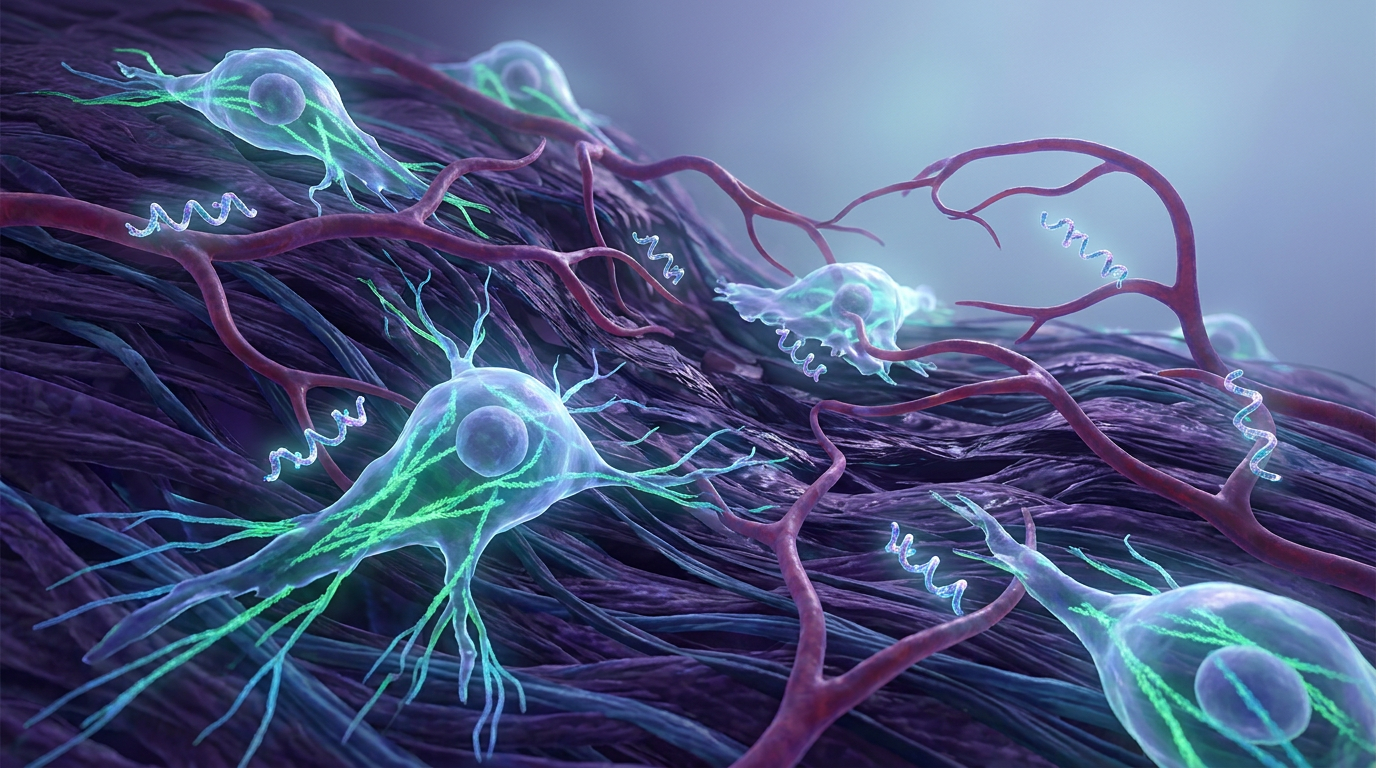
The TB-500 research peptide, a synthetic variant of the naturally occurring protein thymosin beta-4 (Tβ4), has garnered significant attention in various fields of preclinical research due to its reported pleiotropic biological activities. These activities primarily revolve around tissue repair, regeneration, and cellular protection. The overarching interest in the TB-500 research peptide stems from its potential to modulate cellular processes critical for maintaining tissue integrity and function, which are fundamental to the study of longevity and disease amelioration in research models. This peptide's involvement in processes such as actin polymerization, cell migration, and angiogenesis positions it as a compelling subject for advanced scientific investigation into regenerative medicine and age-related decline. The literature describes TB-500 as an intriguing molecule with a broad spectrum of effects that are continually being elucidated through rigorous laboratory studies.
## What is the TB-500 Research Peptide?
TB-500 is a synthetic peptide corresponding to the active domain of thymosin beta-4 (Tβ4). Tβ4 is a ubiquitous, highly conserved 43-amino acid protein found in nearly all cell types and body fluids. It is particularly abundant in the spleen, thymus, and peritoneal macrophages. As an actin-sequestering peptide, Tβ4 plays a crucial role in regulating actin dynamics within cells, which is fundamental to cellular structure, motility, and numerous cellular processes. The synthetic TB-500 peptide typically comprises the N-terminal portion of Tβ4, often spanning amino acids 4-16 or similar active sequences, which are considered to be largely responsible for many of its reported biological effects. The exact sequence and length of synthetic TB-500 can vary between research formulations, but the core functionality aims to replicate key aspects of natural Tβ4 activity. Its high stability and relatively small size make it an attractive candidate for *in vitro* and *in vivo* research applications.
## Mechanism of Action: Unraveling Cellular Pathways
The primary mechanism of action for the TB-500 research peptide is intricately linked to its interaction with actin, a foundational component of the cell's cytoskeleton. Tβ4, and by extension TB-500, functions as a G-actin (globular actin) sequestering peptide. This means it binds to G-actin monomers, preventing their polymerization into F-actin (filamentous actin). By controlling the availability of G-actin, Tβ4 influences the dynamic equilibrium between G-actin and F-actin, which is critical for cell shape, migration, and division. When Tβ4 sequesters G-actin, it maintains a pool of unpolymerized actin. Upon stimulation, this G-actin can be rapidly released and polymerized, enabling swift cytoskeletal rearrangements necessary for processes like cell migration and pseudopod formation.
Beyond actin sequestration, research suggests that TB-500 also interacts with other cellular components and signaling pathways. These include:
* **Angiogenesis:** It has been shown to promote the formation of new blood vessels, a process essential for wound healing and tissue regeneration, by encouraging endothelial cell migration and differentiation. This effect is thought to be partly mediated by its influence on vascular endothelial growth factor (VEGF) and other angiogenic factors. * **Cell Migration and Differentiation:** By modulating actin dynamics, TB-500 facilitates the migration of various cell types, including fibroblasts, keratinocytes, and endothelial cells. This is crucial for tissue repair processes where cells need to move into an injury site. * **Anti-inflammatory Effects:** Some studies indicate that Tβ4 can exhibit anti-inflammatory properties, potentially by downregulating pro-inflammatory cytokines and recruiting immune cells to resolve inflammation without exacerbating tissue damage. * **Cell Survival and Apoptosis:** Tβ4 has been implicated in protecting cells from apoptosis (programmed cell death) under various stress conditions, contributing to tissue integrity and repair following injury. * **Extracellular Matrix (ECM) Remodeling:** It may influence the composition and organization of the ECM, which is vital for tissue structure and function.
These multifaceted interactions underscore the complex biological roles of TB-500, suggesting its potential applicability across a range of research models investigating regenerative processes.
## What the Research Shows: Key Findings from Preclinical Studies
The scientific literature is rich with preclinical studies investigating the effects of the TB-500 research peptide across diverse biological systems. These studies, conducted predominantly *in vitro* and *in vivo* in various animal models, have illuminated its potential in several key areas. The findings consistently point towards its involvement in repair and regeneration mechanisms.
**Wound Healing and Tissue Repair:**
* **Dermal Wounds:** Studies in rodent models (e.g., mice, rats) dating back to the early 2000s have demonstrated that topical or systemic administration of Tβ4, or its active fragments like TB-500, can accelerate the closure of excisional and incisional wounds. This acceleration is often attributed to enhanced keratinocyte migration, fibroblast proliferation, and collagen deposition. For instance, research in 2003 showed accelerated wound healing in diabetic mice treated with Tβ4. * **Corneal Injuries:** Ocular surface repair is another area of focus. Investigations in rabbit and mouse models have indicated that Tβ4 can promote corneal epithelial cell migration and adhesion, leading to faster healing of corneal abrasions and chemical injuries. A study in 2004 highlighted its efficacy in corneal wound repair. * **Cardiac Repair:** Following myocardial infarction, research in animal models (e.g., pigs, rats) suggests Tβ4 can promote angiogenesis, reduce infarct size, and improve cardiac function by encouraging survival of cardiomyocytes and recruitment of progenitor cells. Publications in the mid-2000s explored these cardiac benefits.
**Angiogenesis:**
* Numerous *in vitro* studies with endothelial cells have shown that Tβ4 directly stimulates endothelial cell migration and tube formation, crucial steps in angiogenesis. *In vivo*, models of hindlimb ischemia and myocardial ischemia have demonstrated increased capillary density in tissues treated with Tβ4 or TB-500, indicating its potent angiogenic capabilities. This effect was notably discussed in research from 2000 and subsequent years.
**Inflammation and Fibrosis:**
* While its primary role is regenerative, some studies suggest anti-inflammatory effects. For example, in models of experimentally induced inflammation, Tβ4 has been observed to reduce inflammatory cell infiltration and cytokine production. In the context of fibrosis, particularly in organs like the liver or kidney, Tβ4 has shown potential to attenuate fibrotic processes by modulating myofibroblast differentiation and collagen synthesis. These aspects have been explored in various papers, including those in 2011 concerning liver fibrosis.
**Neurological Protection and Repair:**
* Emerging research explores Tβ4's role in the central nervous system. Studies in models of stroke and traumatic brain injury have indicated that Tβ4 may exert neuroprotective effects, enhance neurogenesis, and promote neuronal plasticity. These findings, often from the late 2000s and early 2010s, suggest a potential for modulating recovery following neurological insult.
**Hair Follicle Development:**
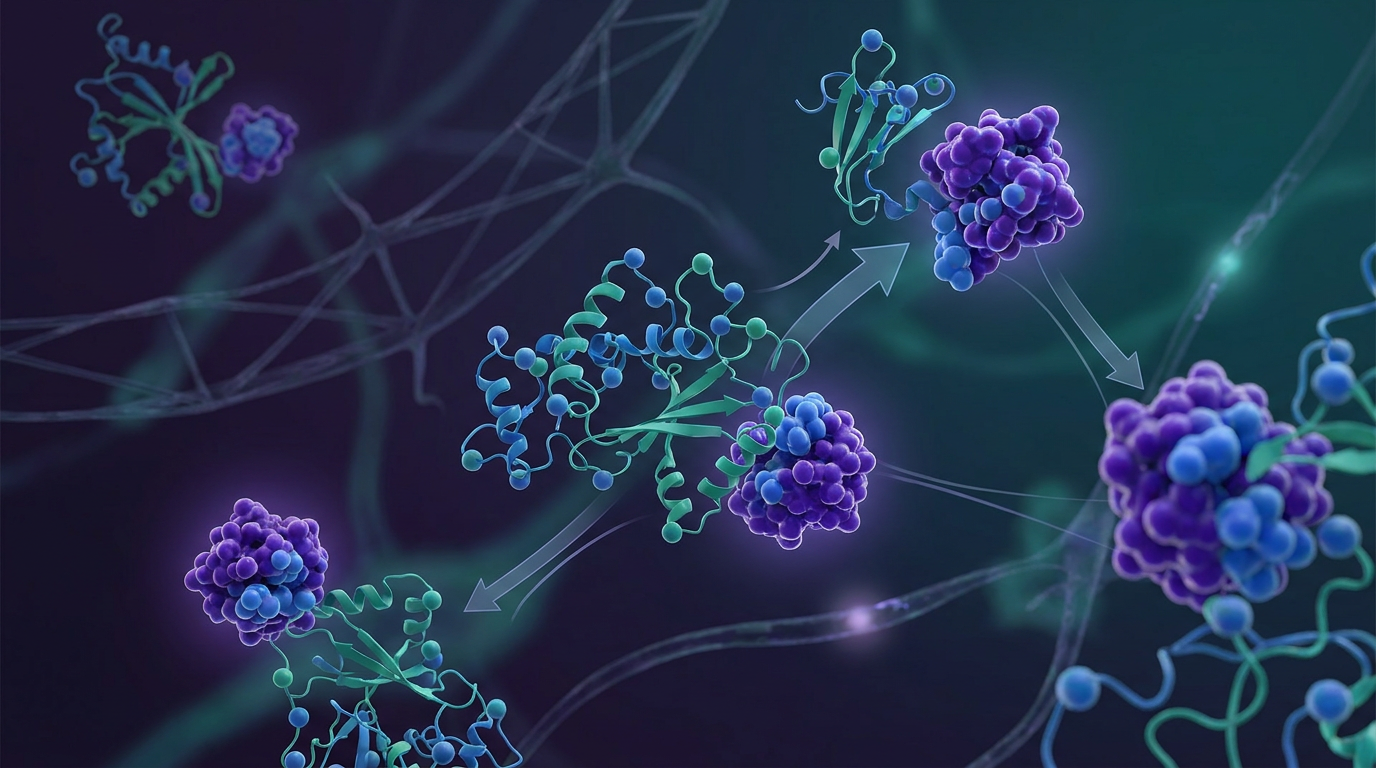
* Preclinical research has also explored the influence of Tβ4 on hair follicle regeneration. Studies in mouse models have shown that topical application of Tβ4 can induce hair growth and accelerate the anagen phase (growth phase) of the hair cycle. This effect is thought to involve the activation of stem cells within the hair follicle niche, as detailed in research from 2007.
These findings collectively illustrate the broad regenerative capacity of the TB-500 research peptide in various biological contexts, highlighting its potential utility in further understanding tissue repair and maintenance mechanisms.
## Comparison with Related Peptides and Growth Factors
When evaluating the TB-500 research peptide, it is useful to place its mechanisms and effects in the context of other peptides and growth factors involved in tissue regeneration. While many molecules contribute to healing, TB-500 often exhibits distinct characteristics.
| Feature | TB-500 (Thymosin Beta-4 Analog) | Growth Factors (e.g., VEGF, FGF) | Other Peptides (e.g., BPC-157) | | :------------------------ | :------------------------------------- | :---------------------------------- | :---------------------------------- | | **Primary Mechanism** | Actin sequestration, cell migration | Receptor tyrosine kinase activation | Modulation of growth factors/cytokines | | **Key Biological Role** | Cell motility, angiogenesis, ECM remod | Cell proliferation, differentiation | Angiogenesis, anti-inflammatory | | **Specificity of Action** | Broad, affects various cell types | Highly specific receptor binding | Broad, but distinct from TB-500 | | **Ubiquity** | High (Tβ4 ubiquitous protein) | Variable across tissues | Varies by peptide | | **Inflammation Mod.** | Anti-inflammatory reported | Can be pro- or anti-inflammatory | Anti-inflammatory reported | | **Systemic vs. Local** | Both systemic and local effects | Primarily local, or targeted | Both systemic and local effects | | **Wound Healing** | Promotes cell migration & angiogenesis | Promotes cell proliferation | Promotes tissue regeneration |
Unlike traditional growth factors like VEGF (Vascular Endothelial Growth Factor) or FGF (Fibroblast Growth Factor), which primarily act by binding to specific cell surface receptors and initiating signaling cascades leading to cell proliferation and differentiation, TB-500's core mechanism is its direct interaction with intracellular actin. This fundamental difference means that TB-500 can influence cellular processes at a more basic cytoskeletal level, impacting cell movement and structural integrity, which are prerequisite for the efficacy of many growth factors. While growth factors drive specific aspects of growth, TB-500 appears to facilitate the cellular machinery necessary for these processes to occur efficiently.
Furthermore, when compared to other research peptides like BPC-157, both share regenerative properties, but their precise mechanisms diverge. BPC-157 is often described as having significant anti-inflammatory and cytoprotective effects, and influencing growth factor systems. TB-500's unique focus on actin dynamics provides a distinct pathway to promote tissue repair and regeneration, making it a complementary, rather than redundant, subject of study within the broader field of regenerative research.
## Open Research Questions and Future Directions
Despite the considerable body of literature surrounding the TB-500 research peptide, several critical open questions remain, guiding current and future research endeavors. Elucidating these aspects is crucial for a comprehensive understanding of its biological roles and potential applications.
1. **Precise Molecular Interactions:** While actin sequestration is a primary mechanism, the full spectrum of molecular targets and downstream signaling pathways influenced by TB-500/Tβ4 is not yet completely mapped. Are there other direct binding partners beyond actin that contribute significantly to its pleiotropic effects? How do these interactions precisely translate into observed biological outcomes in different cell types and tissues? 2. **Optimal Delivery and Formulation:** For various research models, understanding the most effective delivery methods (e.g., systemic, localized, sustained release) and formulations remains an active area of investigation. This includes exploring novel biomaterial integration for targeted and prolonged release at injury sites. 3. **Dose-Response Relationships:** Establishing precise dose-response curves for specific regenerative outcomes in diverse *in vivo* models is still an ongoing process. The optimal concentration for promoting angiogenesis versus mitigating inflammation, for example, might differ. 4. **Long-term Effects and Safety Profiles in Research Models:** While acute studies often show beneficial effects, more extensive research into the long-term biological consequences and potential off-target effects in prolonged administration models is warranted. This includes observing any impact on cell proliferation control and tumor development risk in susceptible models. 5. **Role in Aging and Degenerative Diseases:** Given its regenerative properties, a deeper exploration of TB-500's role in mitigating age-related tissue degeneration and improving functional longevity in appropriate research models is an exciting avenue. Can it enhance the reparative capacity of aged tissues, which typically exhibit reduced regenerative potential? 6. **Synergistic Effects:** Investigating the potential synergistic effects of TB-500 when combined with other regenerative factors, peptides, or cellular therapies could uncover more potent regenerative strategies in various injury and disease models.
Addressing these questions will deepen the scientific community's understanding of TB-500's capabilities and limitations, refining its utility in advanced preclinical research.
## Risks and Evidence Gaps in TB-500 Research
As with any research peptide, it is essential to consider the potential risks, side effects, and existing evidence gaps associated with the TB-500 research peptide in scientific inquiry. The focus here remains strictly on findings from *in vitro* and *in vivo* preclinical studies.
**Potential Risks Observed in Research Models:**
* **Impact on Cell Proliferation:** Given Tβ4's role in promoting cell migration and proliferation, a theoretical concern in certain models is its potential to influence uncontrolled cell growth. While natural Tβ4 is generally viewed as cytoprotective and anti-apoptotic in normal tissues, its precise role in the context of existing malignancies or predispositions in specific research models requires careful consideration. Some studies have explored its dual nature, sometimes showing pro-tumorigenic effects in established cancer lines by promoting angiogenesis and metastasis, while in others demonstrating tumor suppressive or protective effects against chemotherapy-induced damage. This context-dependent behavior necessitates rigorous investigation in specific cancer models. * **Immunomodulation:** Tβ4 can influence immune responses, which in some contexts may be beneficial (e.g., reducing inflammation) but in others could potentially alter the delicate balance of immune regulation within a research model. * **Off-target Effects:** While TB-500 is a synthetic analog, there is always a possibility of off-target effects that are not yet fully understood or documented across all biological systems, especially with high dosages or prolonged administration in sensitive models.
**Evidence Gaps:**
* **Lack of Extensive Long-Term Safety Data:** Most preclinical studies are conducted over relatively short durations. Comprehensive long-term toxicity and safety profiles for chronic administration of TB-500 in various animal models are still developing. * **Inconsistent Methodologies:** Differences in peptide synthesis, purity, dosage, administration routes, and animal models across various studies can sometimes lead to variability in reported outcomes, making direct comparisons challenging and highlighting the need for standardized research protocols. * **Mechanistic Detail:** While actin sequestration is well-established, the full molecular cascade leading to all observed effects (e.g., anti-inflammatory, neuroprotective) is not entirely elucidated. More detailed proteomic and transcriptomic analyses are required. * **Translation to Broader Applicability:** The promising results from highly specific *in vitro* or acute *in vivo* injury models do not always directly translate to more complex chronic conditions or broader applicability in diverse research settings without further extensive validation. The complexity of aging itself presents a significant challenge for such translation.
Researchers must maintain a cautious and critical perspective, ensuring that all investigations into the TB-500 research peptide are conducted with robust experimental design and thorough reporting of both beneficial effects and any observed adverse events or limitations.
## Practical Laboratory Considerations for TB-500 Research
Working with the TB-500 research peptide in a laboratory setting requires careful attention to several practical considerations to ensure experimental integrity and reproducibility.