
Longevity Research
BPC-157 Evidence: Bridging Cellular Energy and Longevity Research
·Educational reference
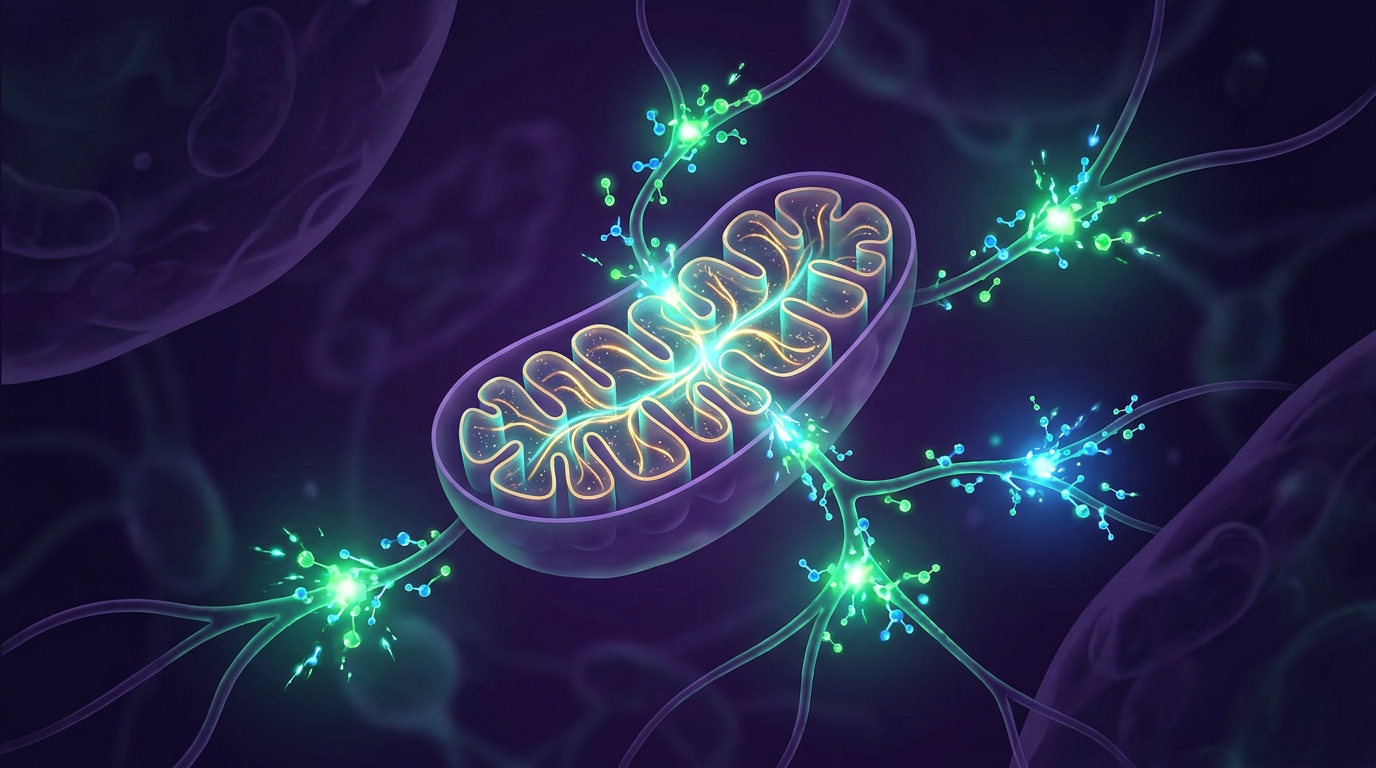
BPC-157, a synthetically produced peptide fragment, has garnered significant attention within the scientific community due to its observed pleiotropic effects across various biological systems. Initially recognized for its regenerative and protective properties within the gastrointestinal tract, subsequent research has expanded its scope to include musculoskeletal healing, central nervous system modulation, and cardiovascular system support. A central theme emerging from this broad spectrum of studies is BPC-157's potential influence on cellular energy metabolism and its implications for cellular resilience and overall organismal health. This article delves into the BPC-157 evidence, focusing on how it intersects with the intricate mechanisms of cellular energy production, particularly concerning mitochondrial function, and its growing relevance in the context of longevity research.
What is BPC-157?
BPC-157, or Body Protection Compound-157, is a pentadecapeptide composed of 15 amino acids, derived from a larger protein found in gastric juice. Its sequence, Gly-Glu-Pro-Pro-Pro-Gly-Lys-Pro-Ala-Asp-Asp-Ala-Gly-Leu-Val, represents a stable gastric pentadecapeptide that has demonstrated robust cytoprotective properties. Unlike many signaling peptides, BPC-157 exhibits remarkable stability in gastric acid, suggesting an inherent physiological role in maintaining gastrointestinal integrity. Its biological activity is not confined to the gut; rather, systemic effects have been documented across numerous in-vitro and in-vivo models, often mediated through pathways involved in tissue repair and inflammation modulation. The peptide's stability and broad spectrum of actions make it a compelling subject for investigational research into fundamental biological processes.
Mechanism of Action: The Energy Nexus
The precise, singular mechanism of action for BPC-157 remains an active area of investigation, largely due to its diverse observed effects. However, a unifying hypothesis centers on its interaction with growth factors, nitric oxide (NO) systems, and particularly, its influence on mitochondrial function and cellular energy pathways. The literature suggests BPC-157 may modulate various growth factors, including vascular endothelial growth factor (VEGF) and basic fibroblast growth factor (bFGF), promoting angiogenesis and tissue regeneration. It also appears to interact with the NO system, potentially influencing vasodilation and blood flow, which are critical for oxygen and nutrient delivery to tissues. Crucially, emerging BPC-157 evidence points towards a significant role in stabilizing mitochondrial membranes and improving mitochondrial respiration.
Research indicates that BPC-157 can protect cells from oxidative stress and enhance the efficiency of the electron transport chain, thereby optimizing ATP production. This protective effect on mitochondria is particularly noteworthy, as mitochondrial dysfunction is a hallmark of aging and various degenerative conditions. By potentially preserving mitochondrial integrity and function, BPC-157 could contribute to enhanced cellular resilience and improved metabolic homeostasis. Further studies are exploring its interaction with pathways like the ubiquitin-proteasome system and autophagy, which are integral to cellular quality control and waste removal, indirectly impacting cellular energy management.
What the Research Shows: BPC-157 and Cellular Energy
Pre-clinical studies exploring BPC-157's interaction with cellular energy pathways offer intriguing insights. A significant body of research points to its ability to mitigate cellular damage and support metabolic function in various stress models.
#### Mitochondrial Protection and Biogenesis
Several studies (e.g., Sikiric et al., 2003; Seiwerth et al., 2018) have reported that BPC-157 exhibits profound protective effects on mitochondria. For instance, in models of mitochondrial dysfunction induced by toxins or injury, BPC-157 appeared to preserve mitochondrial membrane potential, reduce reactive oxygen species (ROS) production, and improve ATP synthesis. This suggests a direct cytoprotective role at the organelle level, safeguarding the primary energy-generating machinery of the cell. Some literature also suggests potential for promoting mitochondrial biogenesis, the process by which new mitochondria are formed, further enhancing cellular energy capacity.
#### Enhanced ATP Production and Metabolic Efficiency
Beyond protection, BPC-157 has been observed to positively influence overall metabolic efficiency. In models of gastric lesions or inflammatory bowel conditions, researchers have noted improved tissue repair coupled with enhanced energy status at the cellular level. This could be attributed to a more efficient utilization of substrates for energy production or a reduction in energy-demanding repair processes due to direct cytoprotection. The peptide's interaction with growth factor signaling pathways might also contribute to metabolic reprogramming, optimizing nutrient uptake and energy substrate utilization in damaged tissues.
#### Angiogenesis and Nutrient Delivery
Optimal cellular energy production is highly dependent on adequate oxygen and nutrient supply. BPC-157 has been extensively studied for its pro-angiogenic properties, promoting the formation of new blood vessels. In ischemic injury models (e.g., Ilic et al., 2003), BPC-157 appeared to restore blood flow, thereby ensuring consistent delivery of glucose, fatty acids, and oxygen – all critical components for mitochondrial respiration and ATP generation. This indirect mechanism significantly contributes to the overall energetic health of tissues and organs, underscoring the peptide's multifaceted impact on energy homeostasis.
#### BPC-157 Evidence in Stress Response and Recovery
Studies involving various physiological stressors, including systemic inflammation, toxin exposure, and physical injury, consistently show that BPC-157 can attenuate the metabolic disruption typically associated with such events. For example, in models of drug-induced organ damage, BPC-157 often mitigated the severe metabolic downturn by protecting cellular structures, including mitochondria, and supporting repair mechanisms that are energy-intensive. This indicates its potential role in maintaining cellular energy reserves during periods of high demand or stress, facilitating more rapid and complete recovery.
Comparisons with Other Modulators of Cellular Energy
While BPC-157 operates through distinct mechanisms, it shares some conceptual overlaps with other compounds and peptides studied for their impact on cellular energy and longevity. Understanding these comparisons helps contextualize the unique contributions of BPC-157 evidence.
* **NAD+ Precursors (e.g., NMN, NR):** These compounds aim to boost cellular levels of NAD+, a coenzyme critical for numerous metabolic processes, including ATP production in the mitochondria. While NAD+ precursors directly supply a metabolic bottleneck, BPC-157 appears to enhance the efficiency and integrity of the mitochondrial machinery itself, and potentially the vascular supply to it. The mechanisms are complementary rather than overlapping, with BPC-157 acting more on the structural and functional robustness of the energy-generating organelles. * **Mitochondrial Uncouplers (e.g., DNP, BAM15):** These compounds decouple electron transport from ATP synthesis, leading to increased heat production and potential metabolic shifts. Their primary mechanism is often to alter proton gradients. BPC-157, in contrast, seems to enhance the *coupling* efficiency and protect the integrity of the mitochondrial membrane, promoting more efficient ATP synthesis rather than uncoupling. * **AMPK Activators (e.g., Metformin, AICAR):** These compounds activate AMP-activated protein kinase (AMPK), a master regulator of cellular energy homeostasis. AMPK activation generally promotes catabolic processes that generate ATP while inhibiting anabolic processes that consume it. While BPC-157's effects on overall metabolic efficiency might indirectly influence AMPK, its primary observed actions are more directly on mitochondrial stability, integrity, and vascular supply, rather than direct upstream modulation of energy sensing pathways like AMPK.
Open Research Questions
Despite the growing body of BPC-157 evidence, several key questions remain unanswered, warranting further rigorous investigation:

* **Specific Molecular Targets:** While general pathways like VEGF and NO are implicated, the precise receptors or binding partners through which BPC-157 exerts its effects on mitochondria and cellular energy remain largely unidentified. Elucidating these specific molecular interactions would provide a clearer understanding of its mechanism of action. * **Dose-Response Relationships:** The optimal dosing regimens for specific cellular energy outcomes across different models are still being established. Variability in study designs and routes of administration make definitive conclusions challenging. * **Long-Term Effects on Metabolic Health:** While short-term studies show benefits in acute injury or stress models, the long-term impact of BPC-157 on chronic metabolic conditions or age-related decline in cellular energy efficiency requires more extensive longitudinal research. * **Interaction with Other Longevity Pathways:** How does BPC-157 interact with established longevity pathways such as sirtuins, mTOR, and autophagy? Research is needed to explore potential synergistic or antagonistic effects. * **Tissue-Specific Responses:** While BPC-157 appears to have systemic effects, its impact on cellular energy metabolism might vary significantly across different tissue types (e.g., muscle, brain, liver). Understanding these tissue-specific responses is crucial.
Risks and Evidence Gaps
The current BPC-157 evidence is predominantly derived from *in-vitro* studies and various animal models. While promising, this translates to several inherent limitations and evidence gaps:
* **Translational Gaps:** The leap from animal models to human physiology is significant. Observed effects in rodents or other animal species do not always directly translate to comparable outcomes in humans. Dose scaling, metabolic differences, and species-specific responses are critical considerations. * **Limited Human Data:** There is a notable absence of large-scale, controlled clinical trials investigating BPC-157's effects on cellular energy, longevity, or any specific medical condition. This is the most substantial evidence gap. * **Pharmacokinetics and Pharmacodynamics:** Comprehensive data on BPC-157's absorption, distribution, metabolism, excretion (ADME) profile, and its precise pharmacodynamic effects in complex biological systems, particularly beyond acute injury models, are still developing. Understanding its half-life, bioavailability across different administration routes, and potential metabolites is crucial. * **Safety Profile:** While studies in animals have generally reported a favorable safety profile, the long-term safety and potential side effects in humans are not yet established. Potential interactions with other compounds or physiological conditions also require thorough investigation. * **Standardization Issues:** Different research groups may use varying formulations, purity levels, and administration protocols for BPC-157, which can lead to inconsistencies in observed results and make direct comparisons challenging.
Practical Laboratory Considerations for BPC-157 Research
Researchers working with BPC-157 in a laboratory setting should adhere to rigorous protocols to ensure the integrity and reproducibility of their findings. Here are key practical considerations:
* **Source and Purity:** Obtain BPC-157 from reputable suppliers who provide detailed Certificates of Analysis (CoA) confirming purity, identity, and absence of contaminants. High-performance liquid chromatography (HPLC) and mass spectrometry (MS) data are essential. * **Storage and Handling:** BPC-157 is typically supplied as a lyophilized powder. Store it at appropriate temperatures (e.g., -20°C) and protect from light and moisture. Reconstitution should be performed aseptically using sterile diluents (e.g., bacteriostatic water or physiological saline) immediately prior to use. * **Concentration and Dilution:** Accurately measure and dilute BPC-157 to achieve precise concentrations required for experimental protocols. Use calibrated pipettes and volumetric glassware. * **Administration Routes:** Consider the specific research question when choosing administration routes (e.g., subcutaneous, intraperitoneal, oral gavage, *in-vitro* cell culture). Each route has different pharmacokinetic implications and may yield varying localized or systemic effects. * **Dose Regimen:** Establish a clear dose-response curve in preliminary studies. Document the rationale for chosen dosages, frequency, and duration of administration, referencing existing literature where applicable. * **Control Groups:** Always include appropriate control groups (e.g., vehicle control, sham-operated control) to ensure that observed effects are attributable to BPC-157 and not experimental manipulations or external factors. * **Endpoint Measurements:** Define clear and quantifiable endpoints related to cellular energy metabolism, such as ATP levels, mitochondrial enzyme activity, oxygen consumption rates, membrane potential, ROS production, and expression of relevant genes (e.g., PGC-1α, NRF1/2). * **Ethical Considerations:** Adhere strictly to institutional animal care and use committee (IACUC) guidelines and ethical standards for all *in-vivo* research. * **Replication:** Strive for experimental replication within your laboratory and encourage independent replication by other research groups to validate findings and build a robust BPC-157 evidence base.
| Aspect | Consideration | | :--------------------------- | :--------------------------------------------------------------------------------- | | **Peptide Sourcing** | Verify CoA for purity, identity, and contaminants (e.g., HPLC, MS) | | **Storage Conditions** | Lyophilized: -20°C, dark, dry; Reconstituted: 4°C for short term, -20°C for longer | | **Reconstitution Solvent** | Sterile bacteriostatic water or physiological saline | | **Dosing Precision** | Calibrated pipettes, volumetric flasks; establish dose-response | | **Experimental Controls** | Vehicle control, sham groups, positive controls where applicable | | **Mitochondrial Assays** | ATP, OCR, ROS, membrane potential, gene/protein expression | | **Data Interpretation** | Account for confounding variables, statistical power |
Frequently Asked Questions (FAQ) about BPC-157 and Cellular Energy
#### What is the primary role of BPC-157 in cellular energy metabolism based on current research?
Based on current research, the primary role of BPC-157 in cellular energy metabolism appears to be the protection and stabilization of mitochondrial function. It has been observed to preserve mitochondrial membrane potential, reduce oxidative stress, and enhance ATP production efficiency, particularly under conditions of cellular stress or injury. Additionally, its pro-angiogenic effects contribute indirectly by ensuring adequate oxygen and nutrient supply essential for mitochondrial respiration.
#### How does BPC-157 influence mitochondrial biogenesis?
While direct evidence for robust mitochondrial biogenesis induction by BPC-157 is still developing, some studies suggest that its cytoprotective and reparative properties could create a more favorable environment for mitochondrial turnover and potentially lead to an increase in mitochondrial mass or quality. This might occur through indirect mechanisms, such as mitigating damage that would otherwise hinder biogenesis, or by signaling pathways involved in cellular repair that indirectly support mitochondrial health and regeneration.
#### Can BPC-157 directly interact with NAD+ pathways?
Currently, the BPC-157 evidence does not strongly indicate a direct interaction with NAD+ pathways in the same manner as NAD+ precursors. BPC-157's observed effects on cellular energy are primarily linked to mitochondrial integrity, protection against oxidative stress, and angiogenesis. While efficient mitochondrial function is crucial for NAD+/NADH balance, BPC-157 is not thought to directly increase NAD+ levels or modulate NAD+-dependent enzymes like sirtuins directly. Further research is needed to fully delineate any indirect interplay.
#### What types of cellular stress does BPC-157 protect against in relation to energy?
Research indicates that BPC-157 provides protection against various forms of cellular stress that impair energy metabolism. This includes protection from oxidative stress, often caused by an imbalance between free radical production and antioxidant defenses, which can damage mitochondria. It also mitigates damage from ischemic conditions (lack of blood flow and oxygen), toxin-induced cellular injury, and inflammatory states, all of which compromise cellular energy production and utilization. By counteracting these stressors, BPC-157 helps maintain energetic homeostasis.
#### What are the main limitations of current BPC-157 evidence regarding cellular energy?
The main limitations of current BPC-157 evidence include its primary derivation from *in-vitro* and animal models, leading to significant translational gaps for human application. There is a lack of comprehensive human clinical trial data, limited understanding of its precise molecular targets, and incomplete pharmacokinetics and pharmacodynamics profiles. Furthermore, long-term safety data in complex biological systems, especially concerning chronic metabolic conditions or aging processes, remains largely unexplored.
Conclusion: BPC-157 Evidence and Future Directions
Further reading on Peptide Intel Hub: verified research suppliers, how to read a certificate of analysis, every protocol from A to Z.