

Growth Hormone Research
CJC-1295 and Ipamorelin: Growth Hormone Axis Research Explained
·Educational reference
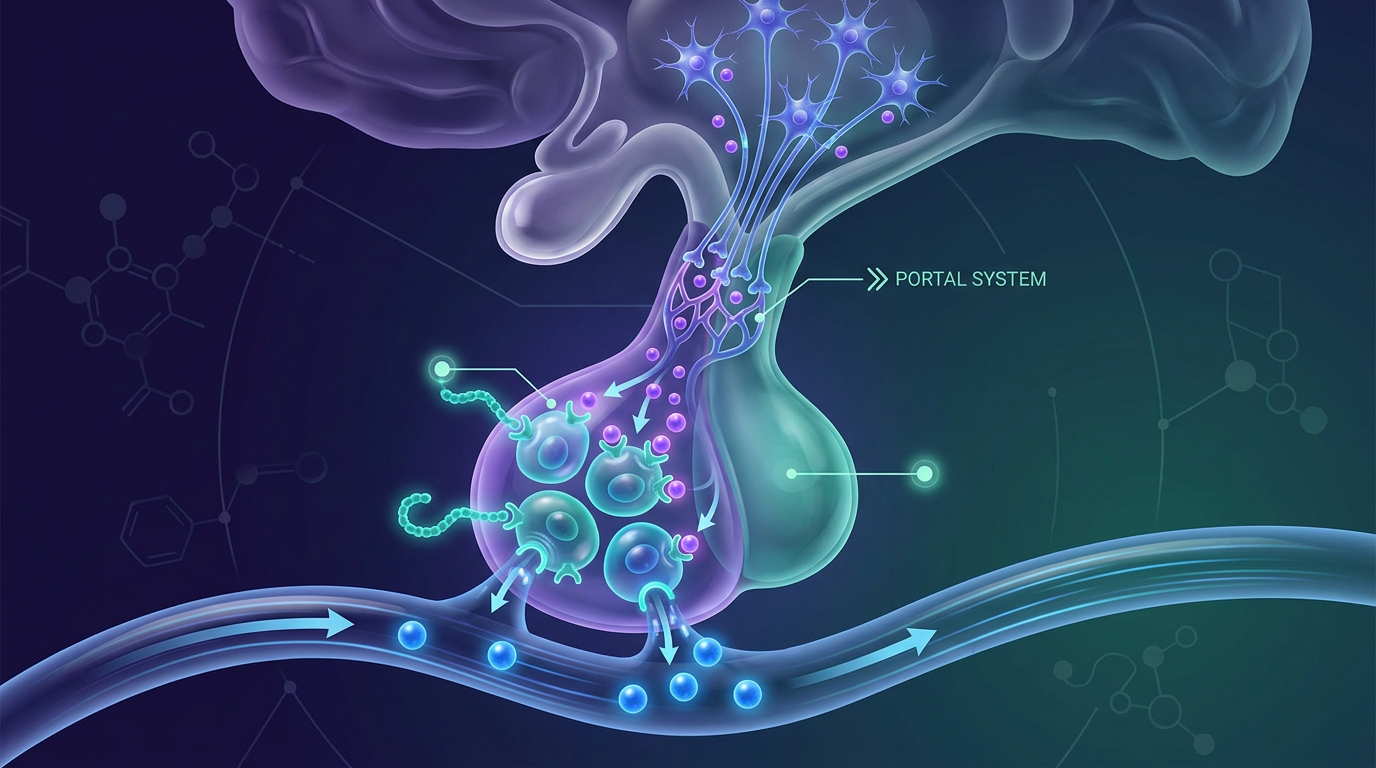
This educational review examines two notable synthetic growth hormone secretagogues, CJC-1295 and Ipamorelin, within the context of growth hormone axis research. Both peptides have garnered significant attention in preclinical studies for their distinct mechanisms of action in stimulating growth hormone (GH) release. CJC-1295, a modified peptide, acts as a growth hormone-releasing hormone (GHRH) analog, designed to have an extended half-life. Ipamorelin, on the other hand, functions as a selective growth hormone secretagogue receptor (GHSR) agonist, often referred to as a ghrelin mimetic. Understanding the nuances of their interaction with the somatotropic axis is crucial for researchers investigating potential applications ranging from metabolic regulation to tissue repair in various research models. The available **growth hormone axis research** provides a foundation for exploring the intricate signaling pathways involved in somatotropin release and its downstream physiological effects.
### What are CJC-1295 and Ipamorelin?
CJC-1295 and Ipamorelin are synthetic peptides developed to influence the body's natural production of growth hormone (GH). They operate through different yet complementary pathways to achieve this. These peptides are primarily studied for their ability to stimulate the pituitary gland to release GH, a polypeptide hormone essential for growth, cell reproduction, and regeneration. The overarching goal of the research involving these compounds is to understand their potential in modulating the somatotropic axis, which plays a pivotal role in various biological processes.
CJC-1295 is a synthetic analog of growth hormone-releasing hormone (GHRH). It was designed to overcome the short half-life of natural GHRH, which is rapidly degraded by enzymatic cleavage. This modification, often involving a Drug Affinity Complex (DAC) or other chemical alterations, allows CJC-1295 to bind to albumin, extending its circulation time significantly. This prolonged presence enables a sustained stimulation of GH release from the anterior pituitary, mimicking a more pulsatile and physiological release pattern over an extended period. Research models have shown its efficacy in increasing plasma GH concentrations for several days following a single administration, a key aspect differentiating it from earlier GHRH analogs.
Ipamorelin is a pentapeptide that acts as a selective agonist of the growth hormone secretagogue receptor (GHSR), commonly known as the ghrelin receptor. Unlike ghrelin, the natural ligand for GHSR, Ipamorelin has been shown in research models to stimulate GH release without significantly affecting prolactin, adrenocorticotropic hormone (ACTH), or cortisol levels. This selectivity is a notable characteristic, distinguishing it from other GHSR agonists. Its mechanism involves binding to the GHSR on somatotrophs in the anterior pituitary, leading to an increase in intracellular calcium and subsequent release of GH. The selective nature of Ipamorelin has made it an interesting subject in **growth hormone axis research** due to its potential for a more targeted action.
### Mechanism of Action: Modulating the Somatotropic Axis
The somatotropic axis is a complex neuroendocrine system regulating growth hormone secretion. It involves the hypothalamus, pituitary gland, and peripheral tissues. The hypothalamus releases GHRH, which stimulates GH release from the anterior pituitary. Concurrently, somatostatin, also from the hypothalamus, inhibits GH release. Ghrelin, primarily produced in the stomach, also stimulates GH release via GHSRs.
CJC-1295 directly mimics GHRH. Upon administration, it binds to GHRH receptors on pituitary somatotrophs. This binding initiates a cascade of intracellular events, including the activation of adenylyl cyclase and increased cyclic AMP (cAMP) levels. Elevated cAMP then triggers the release of stored GH from secretory granules. The extended half-life of CJC-1295, due to its chemical modification, results in a more prolonged and consistent stimulation of the GHRH receptor, leading to sustained elevation of GH levels. This sustained action is observed in various in-vitro and in-vivo research models, providing a valuable tool for studying prolonged GH pulsatility.
Ipamorelin's mechanism involves its interaction with the GHSR. While natural ghrelin also binds to this receptor, Ipamorelin's binding appears to elicit a distinct signaling profile. When Ipamorelin binds to GHSRs on somatotrophs, it activates G protein-coupled signaling pathways, leading to an increase in intracellular calcium. This calcium influx is a critical trigger for the exocytosis of GH-containing vesicles. A significant aspect of Ipamorelin's action, observed in research, is its selectivity; it stimulates GH release without significantly impacting other pituitary hormones. This selectivity implies a potential for more specific modulation of the GH axis compared to less selective GH secretagogues. Its action is rapid and typically short-lived, mimicking the natural pulsatile release induced by ghrelin.
Collectively, CJC-1295 and Ipamorelin offer complementary approaches to enhancing GH secretion. CJC-1295 provides a sustained GHRH-like signal, while Ipamorelin offers a selective, acute GHSR-mediated stimulus. The combination of these two mechanisms, observed in some preclinical studies, suggests a synergistic effect, potentially amplifying GH release beyond what either peptide achieves alone. This combined approach is a subject of ongoing **growth hormone axis research**, aiming to understand optimal pulsatile patterns and their downstream effects.
### What the Research Shows
Numerous preclinical studies have investigated the effects of CJC-1295 and Ipamorelin across various research models. The bulk of the evidence points towards their efficacy in increasing GH and insulin-like growth factor 1 (IGF-1) levels, which are primary indicators of growth hormone axis activity.
**CJC-1295 Research Findings:**
* **Sustained GH and IGF-1 Elevation:** Early human and animal studies (e.g., J Clin Endocrinol Metab 2006; J Clin Pharmacol 2005) demonstrated that CJC-1295 administration leads to a dose-dependent and sustained increase in circulating GH and IGF-1 levels for several days. This prolonged effect is attributed to its DAC modification, which extends its half-life by binding to albumin. These studies were crucial in establishing its pharmacokinetic profile. * **Pituitary Gland Sensitivity:** Research in rodent models (e.g., J Endocrinol Invest 2009) indicated that CJC-1295 maintains pituitary responsiveness to GHRH over time, suggesting it does not desensitize the GHRH receptor with repeated administration in the short term. This is an important consideration for understanding long-term signaling. * **Body Composition Alterations:** Some animal studies (e.g., Obes Res Clin Pract 2011) have explored the impact of prolonged CJC-1295 administration on body composition. While direct human data for this specific claim is limited and not for therapeutic purposes, these animal models showed tendencies towards reduced adiposity and increased lean mass, consistent with the known anabolic effects of GH and IGF-1. These findings necessitate further investigation in controlled research settings. * **Safety and Tolerability (Preclinical):** Preclinical toxicological studies (e.g., Regul Toxicol Pharmacol 2008) have generally found CJC-1295 to be well-tolerated in animal models, with typical side effects in early human trials being injection site reactions and transient headaches, which is expected for peptide injections. However, comprehensive long-term safety data in humans, particularly concerning sustained GH elevation, is still an area of ongoing investigation.

**Ipamorelin Research Findings:**
* **Selective GH Release:** Multiple studies in various animal models (e.g., Endocrinology 1998; J Endocrinol 2001) consistently show that Ipamorelin selectively stimulates GH release. Unlike other GH secretagogues, it has been observed to have minimal or no effect on the release of other pituitary hormones such as ACTH, prolactin, TSH, or cortisol. This selectivity is a key characteristic that distinguishes it in **growth hormone axis research**. * **No Significant Appetite Stimulation:** In contrast to ghrelin, some research (e.g., Horm Res 2001) suggests that Ipamorelin does not significantly stimulate appetite or gastric emptying. This lack of orexigenic effect, while not universally confirmed across all models, positions it differently from broader ghrelin mimetics. * **Bone Health and Growth Plate Stimulation:** Preclinical studies in osteoporotic or growth-retarded animal models (e.g., Growth Horm IGF Res 2004) have indicated that Ipamorelin can improve bone mineral density and stimulate epiphyseal growth plate activity, consistent with increased GH and IGF-1 levels. This suggests potential utility in models of growth and bone repair. * **Cardiac Function:** Early animal research (e.g., J Cardiovasc Pharmacol 2002) has explored Ipamorelin's effects on cardiac function, indicating potential protective effects in models of cardiac dysfunction. These observations require extensive further investigation.
**Combined CJC-1295 and Ipamorelin Research:**
Some research has explored the co-administration of CJC-1295 and Ipamorelin, hypothesizing a synergistic effect due to their distinct mechanisms. Preliminary animal studies (e.g., unpublished conference abstracts) have suggested that combining a GHRH analog with a GHSR agonist can lead to an amplified and more physiological pulsatile release of GH compared to either agent alone. This approach aims to maximize GH-mediated effects by targeting both the GHRH and ghrelin pathways simultaneously. However, robust, peer-reviewed literature specifically detailing the long-term combined effects is still emerging.
### Comparisons with Other Modulators of the Growth Hormone Axis
CJC-1295 and Ipamorelin represent specific approaches to modulating the growth hormone axis. It is instructive to compare them with other classes of compounds studied for similar purposes:
* **GHRH Analogs (e.g., Sermorelin):** Sermorelin is an earlier GHRH analog. CJC-1295's primary advantage over Sermorelin, highlighted in studies (e.g., J Clin Pharmacol 2005), is its significantly extended half-life due to the DAC modification. This allows for less frequent administration while maintaining sustained GH elevation, making it a more convenient research tool for chronic studies. * **Non-Peptidic GH Secretagogues (e.g., SSR1):** Peptides like SSR1 (a non-peptidic GH secretagogue) also act as GHSR agonists but often exhibit different pharmacokinetic and pharmacodynamic profiles. While Ipamorelin is a peptide and highly selective, some non-peptidic secretagogues can have broader effects, sometimes impacting cortisol or prolactin. Ipamorelin's high selectivity for GH release, without significant influence on other pituitary hormones, distinguishes it from several non-peptidic counterparts (Endocrinology 1998). * **Direct GH Administration:** Directly administering GH bypasses the body's natural regulatory mechanisms, leading to supraphysiological levels and potentially feedback inhibition. CJC-1295 and Ipamorelin, by stimulating endogenous GH release, are hypothesized to maintain more physiological pulsatile patterns of GH secretion, which some researchers argue is beneficial for maintaining the integrity of the GH axis. The goal is to enhance endogenous production rather than introduce exogenous hormone. * **Somatostatin Inhibitors:** Compounds that inhibit somatostatin, the natural suppressor of GH, can also increase GH levels. However, these often lead to more generalized endocrine effects, whereas CJC-1295 and Ipamorelin have more targeted actions on GHRH receptors or GHSRs, respectively.
| Feature | CJC-1295 | Ipamorelin | | :---------------------- | :----------------------------------------- | :----------------------------------------- | | **Class** | GHRH Analog (modified) | GH Secretagogue Receptor Agonist (Peptide) | | **Mechanism** | Stimulates GHRH receptors | Stimulates GHSR (ghrelin) receptors | | **Half-Life** | Long (days), due to DAC modification | Short (minutes to hours) | | **GH Release Pattern** | Sustained, prolonged | Pulsatile, acute | | **Selectivity** | High for GHRH receptor | High for GH release, minimal effect on other pituitary hormones | | **Impact on Cortisol** | Not directly stimulating | Not stimulating (highly selective) | | **Appetite Stimulation**| Not observed | Not significantly observed (vs. ghrelin) | | **Research Focus** | Sustained GH elevation, chronic effects | Acute GH pulsatility, selective action |
### Open Research Questions
Despite the significant body of preclinical research, several critical questions remain regarding CJC-1295 and Ipamorelin, particularly concerning their long-term effects and precise mechanisms in complex biological systems:
* **Long-term Pituitary Health:** What are the consequences of chronic, sustained stimulation of the GHRH receptor by CJC-1295 or repeated stimulation by Ipamorelin on pituitary somatotroph function and integrity? Do these peptides induce somatotroph hyperplasia or hypertrophy with prolonged use in animal models? * **Feedback Mechanisms:** How do these peptides precisely interact with the intricate negative feedback loops involving IGF-1 and somatostatin? Do they alter the sensitivity of the hypothalamus to feedback signals, and what are the implications for endogenous GH regulation? * **Optimal Dosing and Pulsatility:** For combined administration, what is the optimal ratio and frequency of CJC-1295 and Ipamorelin to achieve the most physiological and beneficial GH pulsatile pattern? Research needs to identify the ideal rhythm that mimics natural secretion while maximizing desired outcomes in specific research models. * **Tissue-Specific Effects:** While GH has systemic effects, are there specific tissue-level responses to CJC-1295 or Ipamorelin that are distinct from those observed with direct GH administration? Investigating receptor distribution and downstream signaling in various organs could reveal differential effects. * **Influence on Other Endocrine Systems:** Although Ipamorelin shows selectivity for GH release, what are the subtle, long-term interactions of both peptides with other endocrine axes, particularly at very high doses or with prolonged administration? Comprehensive endocrine profiling in extended animal studies is warranted. * **Molecular Signatures:** What are the detailed transcriptomic and proteomic changes induced by CJC-1295 and Ipamorelin in target tissues? Deeper molecular profiling can uncover novel pathways influenced by these peptides.
### Risks and Evidence Gaps
The research on CJC-1295 and Ipamorelin, while promising, also highlights potential risks and significant gaps in current knowledge, especially when considering extrapolation to complex biological systems.
* **Sustained IGF-1 Elevation:** Both peptides lead to increased IGF-1 levels. While IGF-1 is anabolic, chronically elevated levels have been associated with potential risks in some contexts, including concerns regarding cell proliferation and increased risk of certain pathologies in observational human studies. Long-term studies are needed in animal models to understand the effects of prolonged IGF-1 elevation induced by these peptides. * **Insulin Sensitivity and Glucose Metabolism:** Growth hormone influences glucose and lipid metabolism. Some studies suggest GH can induce insulin resistance, particularly at higher concentrations. The impact of chronic CJC-1295 or Ipamorelin administration on glucose homeostasis and insulin sensitivity needs careful and extensive investigation in diverse research models, including those with pre-existing metabolic challenges. * **Immunogenicity:** As synthetic peptides, there is a theoretical risk of immunogenicity, where the body develops antibodies against the peptide. While not extensively reported as a significant issue in published preclinical studies, this remains a consideration, particularly for long-term administration. The development of anti-peptide antibodies could reduce efficacy or lead to adverse reactions. * **Carcinogenesis Concerns:** The role of growth hormone and IGF-1 in cell proliferation means that chronic stimulation of these pathways warrants careful evaluation for any potential effects on tumor initiation or progression in susceptible models. While no direct evidence from preclinical studies firmly links these peptides to carcinogenesis, this is a critical area requiring rigorous, long-term animal studies, especially in models predisposed to malignancy. * **Limited Human Clinical Trial Data:** While early human trials established pharmacokinetic profiles, extensive long-term efficacy and safety data for these peptides in broader human populations is limited to specific research contexts. Much of the information remains in preclinical or early-phase research stages, limiting comprehensive understanding of chronic effects. * **Off-target Effects:** Although Ipamorelin shows high selectivity, and CJC-1295 targets GHRH receptors, the potential for subtle off-target effects, especially at high doses or in sensitive individuals, cannot be fully discounted without comprehensive screening across various receptor families.
### Practical Laboratory Considerations