

Cognitive Research
Exploring Cognitive Peptides: Semax, Selank, and DSIP in Peptide Research
·Educational reference

This educational review explores three prominent peptides under investigation for their potential neurological and cognitive effects: Semax, Selank, and Delta Sleep-Inducing Peptide (DSIP). Each peptide presents a unique profile, with ongoing `peptide research` delving into their proposed mechanisms of action and a wide array of potential applications. Understanding these compounds requires a deep dive into the preclinical studies, outlining what the literature suggests regarding their influence on brain function, stress response, and sleep architecture. This comprehensive overview is designed for researchers and laboratory professionals seeking to understand the current state of knowledge surrounding these fascinating neuroactive peptides.
## What are Semax, Selank, and DSIP?
Semax, Selank, and Delta Sleep-Inducing Peptide (DSIP) are synthetic and endogenous peptides, respectively, that have garnered considerable attention in `peptide research` due to their reported neuroactive properties. These peptides are distinct from larger protein molecules, being composed of a relatively small number of amino acid residues, which often contributes to their ability to cross biological membranes and interact with specific neural pathways.
### Semax: A Heptapeptide Analogue
Semax is a synthetic peptide derived from the ACTH(4-10) fragment. It consists of seven amino acids: Met-Glu-His-Phe-Pro-Gly-Pro. This modification, particularly the Pro-Gly-Pro sequence at the C-terminus, is thought to increase its metabolic stability and enhance its penetration into the central nervous system. First developed in the 1980s, `peptide research` into Semax has primarily explored its neuroprotective, nootropic, and anxiolytic-like effects.
### Selank: A Tuftsin Analogue
Selank is another synthetic peptide, an analogue of the endogenous immunomodulatory peptide tuftsin. Its amino acid sequence is Thr-Lys-Pro-Arg-Pro-Gly-Pro. Similar to Semax, Selank was designed with modifications aimed at improving its stability and bioavailability within the central nervous system. `Peptide research` into Selank has focused largely on its potential anxiolytic, antidepressant-like, and nootropic effects, often mediated through its influence on monoamine neurotransmitter systems and immune responses.
### Delta Sleep-Inducing Peptide (DSIP): An Endogenous Nonapeptide
DSIP is an endogenous peptide initially isolated from venous brain blood of rabbits during sleep. It is a nonapeptide with the sequence Trp-Ala-Gly-Gly-Asp-Ala-Ser-Gly-Glu. Unlike Semax and Selank, DSIP is naturally occurring and is believed to play a physiological role in the regulation of sleep and stress responses. Early `peptide research` into DSIP highlighted its potential involvement in sleep onset and duration, with subsequent studies expanding into its broader neuromodulatory capabilities.
## Mechanisms of Action: How They May Influence Neural Function
The proposed mechanisms of action for Semax, Selank, and DSIP are diverse, reflecting their distinct structures and targets within the neurobiological landscape. Understanding these pathways is crucial for interpreting the findings from `peptide research` and guiding future investigations.
### Semax: Neurotrophic and Modulatory Effects
Research suggests that Semax's effects are multifaceted. It has been observed to influence the expression of neurotrophins such as Brain-Derived Neurotrophic Factor (BDNF) and Nerve Growth Factor (NGF) in certain brain regions, which are critical for neuronal survival, growth, and plasticity. Semax may also modulate the activity of monoamine neurotransmitters, including dopamine, serotonin, and noradrenaline, by affecting their metabolism and reuptake. Studies in research models indicate its potential to reduce oxidative stress and inflammation within the central nervous system, contributing to its neuroprotective profile.
### Selank: Anxiolysis and Neurotransmitter Modulation
Selank's primary proposed mechanism revolves around its modulatory effects on the GABAergic system and monoamine neurotransmitters. It has been observed in research models to enhance the expression of genes encoding for GABAergic system components. Additionally, Selank may influence the balance of serotonin and noradrenaline, which are key in mood regulation. Its interaction with immune system components, by mimicking tuftsin, further suggests an immunomodulatory role that could indirectly impact neuroinflammation and stress responses.
### DSIP: Sleep Regulation and Neuromodulation
DSIP's mechanism is closely tied to its role in sleep regulation. It is believed to interact with various receptor systems and neuromodulatory pathways involved in sleep-wake cycles. Studies have indicated its potential to modulate delta wave activity in the electroencephalogram (EEG), which is characteristic of deep, restorative sleep. Beyond sleep, DSIP has been suggested to influence neuroendocrine functions, including the release of pituitary hormones, and to exhibit antioxidant properties in certain research contexts. Its broad neuromodulatory effects are still under active investigation.
## What the Research Shows: Key Findings from Peptide Research
Extensive `peptide research` has been conducted on Semax, Selank, and DSIP, primarily using preclinical models and *in vitro* studies. The findings suggest a range of potential applications, particularly in areas related to cognitive function, stress, and neurological well-being.
### Semax Research Highlights
* **Cognitive Enhancement:** Studies in animal models (e.g., *Izmailov et al., 2012*) have shown Semax to improve learning and memory processes, particularly under conditions of stress or cognitive impairment. These effects are often attributed to its neurotrophic and neuromodulatory actions. * **Neuroprotection:** Research (e.g., *Dubynin et al., 2015*) indicates Semax's potential to protect neurons from damage induced by various insults, such as ischemia, oxidative stress, and neurotoxins. This includes observations of reduced infarct volume and improved neurological outcomes in models of cerebral ischemia. * **Anxiolytic-like Effects:** Preclinical investigations (e.g., *Kamensky et al., 2016*) have demonstrated that Semax may exhibit anxiolytic-like properties, reducing anxiety-related behaviors in stressed animal models.
### Selank Research Highlights
* **Anxiolytic and Antidepressant-like Activity:** A significant body of `peptide research` (e.g., *Kondratenko et al., 2010*) suggests that Selank possesses robust anxiolytic and antidepressant-like effects in animal models. These effects are often compared to those of established anxiolytics but with a potentially different side effect profile. * **Nootropic Effects:** Beyond its mood-modulating properties, Selank has been observed to improve cognitive performance, particularly under conditions of stress or fatigue. This includes enhancements in memory consolidation and attention (e.g., *Maltsev et al., 2012*). * **Immunomodulation:** Due to its structural similarity to tuftsin, Selank has been investigated for its immunomodulatory potential. Studies (e.g., *Andreeva et al., 2017*) have suggested it can influence immune cell function, which may indirectly contribute to its central nervous system effects by modulating neuroinflammation.
### DSIP Research Highlights
* **Sleep Regulation:** The most well-studied aspect of DSIP in `peptide research` is its role in sleep. Early work (e.g., *Monnier & Schoenenberger, 1977*) demonstrated its ability to induce slow-wave sleep in rabbits. Subsequent studies have explored its impact on sleep architecture and duration in various animal models. * **Stress Reduction:** DSIP has been proposed to have stress-protective effects. Research (e.g., *Graf et al., 1985*) suggests it may modulate the body's response to stress, influencing hormonal levels and behavioral parameters associated with stress. * **Neuroprotection and Antioxidant Activity:** Some *in vitro* and *in vivo* studies have indicated that DSIP may possess neuroprotective and antioxidant properties, potentially safeguarding neural cells from damage (e.g., *Semenova et al., 2007*).
## Comparison of Cognitive Peptides: Semax, Selank, and DSIP
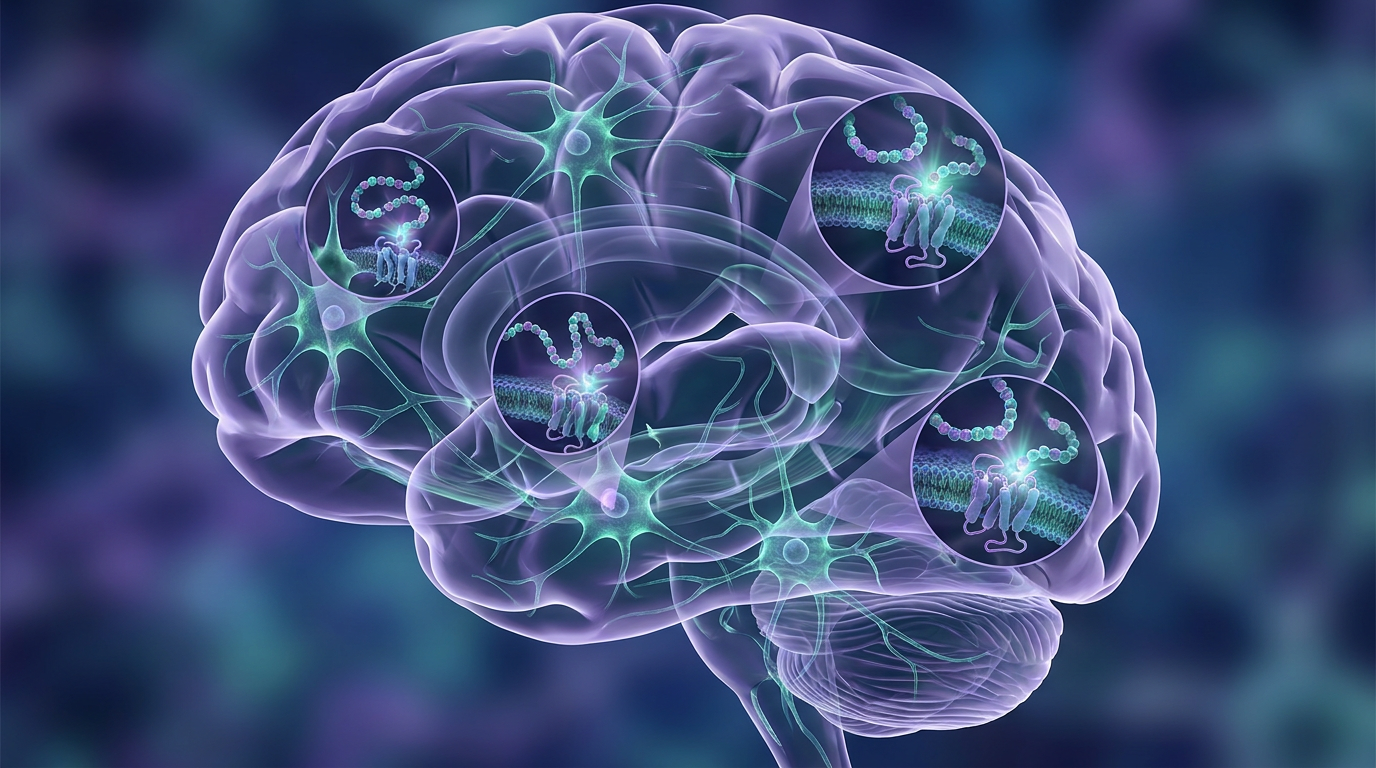
While all three peptides are under investigation for their central nervous system effects, their primary areas of focus and proposed mechanisms differ. The table below summarizes some key distinctions relevant to `peptide research`.
| Feature | Semax | Selank | DSIP | | :------------------------ | :-------------------------------------- | :----------------------------------------- | :--------------------------------------- | | **Classification** | Synthetic (ACTH(4-10) analogue) | Synthetic (Tuftsin analogue) | Endogenous Nonapeptide | | **Primary Research Focus**| Neuroprotection, Nootropic, Anxiolytic | Anxiolytic, Antidepressant-like, Nootropic | Sleep Regulation, Stress, Neuromodulation| | **Key Mechanisms (Proposed)** | BDNF/NGF modulation, monoamine metabolism, antioxidant | GABAergic system modulation, monoamine balance, immunomodulation | Delta wave activity, neuroendocrine, antioxidant | | **Duration of Action** | Relatively short (hours) | Moderate (hours) | Potentially longer (influences cycles) | | **Administration Routes Studied** | Intranasal, subcutaneous | Intranasal, subcutaneous | Intravenous, subcutaneous |
This comparison highlights that while Semax and Selank share some overlapping nootropic and anxiolytic-like effects, their origins and specific mechanistic pathways present distinct research avenues. DSIP stands apart due to its endogenous nature and primary association with sleep physiology, though it also shares broader neuromodulatory potential.
## Open Research Questions and Future Directions
The ongoing `peptide research` into Semax, Selank, and DSIP continues to generate new hypotheses and avenues for investigation. Several key questions remain open and are critical for a more complete understanding of these compounds.
* **Detailed Receptor Interactions:** While proposed mechanisms exist, the precise receptor targets and downstream signaling pathways for many of these peptides are not fully elucidated. Further *in vitro* and *in vivo* studies are needed to map these interactions with greater precision. * **Long-term Effects and Safety:** Most `peptide research` has focused on acute or subacute effects. Long-term studies in appropriate research models are necessary to understand potential cumulative effects, adaptation, and any sustained physiological changes. * **Bioavailability and Pharmacokinetics:** Despite modifications to enhance stability, detailed pharmacokinetic and pharmacodynamic profiles across different administration routes and species are still areas of active investigation. This includes understanding their distribution in various brain regions and their metabolic fate. * **Synergistic Effects:** Exploring potential synergistic or additive effects when these peptides are co-administered with other neuroactive compounds or established pharmacological agents could uncover novel therapeutic strategies. For instance, how do Semax or Selank interact with other neurotrophic factors or stress hormones? * **Specific Subtypes of Cognitive Impairment:** Could these peptides show differential efficacy across distinct types of cognitive impairment (e.g., memory deficits, executive dysfunction, attentional problems)? Tailored research models would be beneficial here.
## Risks and Evidence Gaps in Peptide Research
While preclinical `peptide research` has shown promising results, it is imperative to acknowledge the inherent risks and significant evidence gaps that preclude any definitive conclusions regarding their broader applicability. The transition from *in vitro* and animal models to human physiological systems is complex and fraught with challenges.
### Key Risks and Gaps:
* **Translational Challenges:** Results observed in rodent models do not always directly translate to human physiology. Differences in metabolism, receptor distribution, and overall brain architecture can lead to divergent outcomes. * **Lack of Comprehensive Safety Data:** While often reported as well-tolerated in preclinical studies, a full toxicology profile, especially regarding long-term exposure or potential interactions with other substances, is not fully established. * **Limited Independent Replication:** Some initial findings may lack widespread independent replication, which is crucial for establishing scientific consensus and reliability. * **Mechanism Elucidation:** While hypotheses exist, the full mechanistic pathways and potential off-target effects are not completely understood, necessitating further rigorous investigation. * **Formulation and Delivery:** Optimized formulations and delivery methods that ensure consistent bioavailability and stability are still areas requiring significant `peptide research` and development.
These considerations underscore the need for continued, meticulous scientific inquiry before any broader statements can be made regarding the utility of these peptides.
## Practical Laboratory Considerations for Peptide Research
Researchers working with Semax, Selank, and DSIP in a laboratory setting must adhere to stringent protocols to ensure the integrity and reproducibility of their `peptide research`.
* **Peptide Purity and Verification:** Always obtain peptides from reputable suppliers with comprehensive Certificates of Analysis (CoA) detailing purity (typically >98% by HPLC) and amino acid sequencing. Impurities can significantly confound experimental results. * **Storage Conditions:** Peptides are often supplied as lyophilized powders. Proper storage (e.g., -20°C or -80°C, desiccated) is critical to maintain stability. Once reconstituted, solutions should be used promptly or stored appropriately to prevent degradation. * **Reconstitution:** Reconstitute peptides with appropriate sterile solvents (e.g., sterile water, bacteriostatic water, or specific buffers) at recommended concentrations. Avoid vigorous shaking that can denature the peptide. * **Accurate Dosing:** Precise measurement and dilution are paramount. Gravimetric measurements of powder and volumetric measurements for solutions must be accurate. Consider the molecular weight for molar calculations. * **Experimental Design:** Robust experimental designs are crucial, including appropriate control groups (e.g., vehicle controls), sufficient sample sizes, and blinding of researchers to treatment conditions where applicable, to minimize bias. * **Ethical Considerations:** All `peptide research` involving animal models must strictly adhere to institutional animal care and use guidelines and ethical principles, ensuring humane treatment and minimizing distress.
## Frequently Asked Questions in Peptide Research
### What is the primary difference between endogenous and synthetic peptides like DSIP, Semax, and Selank?
DSIP is an *endogenous* peptide, meaning it is naturally produced within the body, suggesting a physiological role in normal biological processes. Semax and Selank are *synthetic* peptides, which are designed and manufactured in a laboratory, often based on or modified from endogenous sequences, to enhance specific properties like stability or target affinity. `Peptide research` explores both categories.
### How are the neuroprotective effects of Semax thought to manifest?
Research suggests Semax's neuroprotective effects manifest through several mechanisms. These include upregulation of neurotrophic factors (like BDNF and NGF) crucial for neuronal survival and plasticity, modulation of monoamine neurotransmitter systems, and antioxidant activity that mitigates oxidative stress. These actions collectively help protect neurons from various insults, as evidenced in `peptide research` models of ischemia or neurotoxicity.
### What role does the GABAergic system play in Selank's proposed anxiolytic effects?
The GABAergic system is a primary inhibitory neurotransmitter system in the brain, and its modulation is central to many anxiolytic compounds. `Peptide research` indicates that Selank may enhance the expression of genes involved in the GABAergic system. By promoting GABAergic activity, Selank is hypothesized to reduce neuronal excitability, leading to anxiolytic-like effects observed in preclinical models.
### Can DSIP regulate sleep in all animal models consistently?
While DSIP was initially identified for its sleep-inducing properties, its effects on sleep regulation can vary across different animal models and experimental conditions. Factors such as species, dosage, administration route, and the presence of underlying sleep disturbances can influence its efficacy. `Peptide research` continues to explore the nuances of DSIP's interactions with various sleep-wake mechanisms.
### What are the main challenges in translating preclinical peptide research findings to broader applications?
The main challenges include significant differences in physiology, metabolism, and pharmacokinetics between research models and human systems. Moreover, achieving consistent bioavailability and stability for peptide delivery, establishing comprehensive long-term safety profiles, and conducting rigorous, large-scale studies are substantial hurdles. Addressing these gaps requires extensive and carefully designed `peptide research`.
## Conclusion
Semax, Selank, and DSIP represent a diverse group of peptides undergoing intensive `peptide research` for their potential to influence cognitive function, stress responses, and sleep architecture. While each peptide presents a unique mechanistic profile—Semax focusing on neuroprotection and nootropic effects, Selank on anxiolysis and immunomodulation, and DSIP on sleep regulation—they collectively highlight the potential of peptide-based interventions in neurology and cognitive science. The current body of literature, primarily derived from *in vitro* and preclinical animal models, suggests intriguing possibilities for these compounds.