

Metabolic Research
MOTS-c Research Peptide: Synergies with Incretin Signaling in Adipose Regulation
·Educational reference
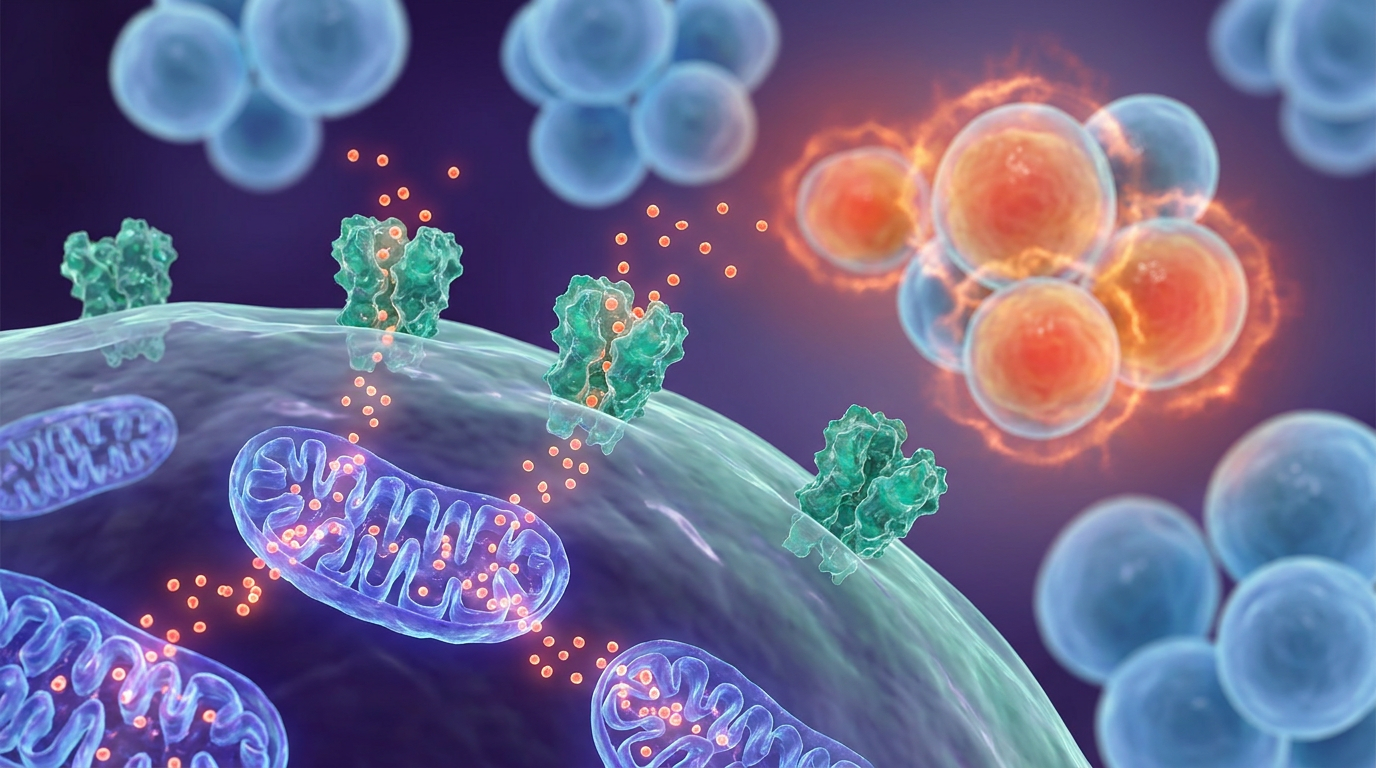
In the complex landscape of metabolic research, understanding the intricate mechanisms governing energy homeostasis and adipose tissue function is paramount. The MOTS-c research peptide, a mitochondrial-derived peptide, has garnered significant attention for its multifaceted roles in cellular metabolism, particularly its impact on insulin sensitivity and lipid metabolism. Concurrently, incretin research compounds, primarily focusing on GLP1 and GLP2 receptor agonism, have demonstrated profound effects on glucose regulation and energy balance. This article delves into the current understanding of the MOTS-c research peptide, exploring its distinct mechanisms of action and potential areas of overlap or synergy with incretin signaling pathways in the context of adipose tissue regulation.
## Unveiling the MOTS-c Research Peptide: A Mitochondrial Messenger
The MOTS-c research peptide is a 16-amino acid peptide encoded in the mitochondrial genome. Unlike nuclear-encoded proteins, mitochondrial-derived peptides (MDPs) like MOTS-c operate as an unconventional class of signaling molecules, bridging mitochondrial function with systemic metabolic regulation. First described in 2015, its discovery unveiled a novel pathway influencing cellular energy expenditure and insulin sensitivity. Research suggests that MOTS-c acts as a mitokine, signaling the metabolic status of mitochondria to the nucleus and other cellular compartments.
### Mechanism of Action: How MOTS-c Influences Metabolism
The primary mechanism through which the MOTS-c research peptide exerts its effects is by influencing various metabolic pathways, particularly those related to glucose and lipid metabolism. In research models, MOTS-c has been shown to:
* **Enhance Glucose Uptake:** It appears to promote glucose uptake in skeletal muscle cells by activating the AMP-activated protein kinase (AMPK) pathway. This activation can lead to the translocation of glucose transporter 4 (GLUT4) to the cell membrane, thereby improving insulin sensitivity independently of insulin signaling. * **Modulate Fatty Acid Metabolism:** Studies indicate MOTS-c can shift fuel utilization towards glucose oxidation and away from fatty acid oxidation in certain cell types. This alteration in substrate preference may contribute to its beneficial metabolic effects. * **Improve Mitochondrial Homeostasis:** As a mitochondrial-derived peptide, MOTS-c plays a role in maintaining mitochondrial integrity and function. It has been observed to regulate mitochondrial biogenesis and protect against mitochondrial dysfunction, which is often implicated in metabolic disorders. * **Influence Adipose Tissue Remodeling:** Emerging research suggests a role for MOTS-c in influencing adipogenesis and the browning of white adipose tissue. This could have significant implications for energy expenditure and combating obesity.
These mechanisms collectively contribute to the observed improvements in metabolic parameters in various research settings, positioning the MOTS-c research peptide as a compelling subject for further investigation into metabolic health.
## Incretin Research Compounds: A Foundation in Metabolic Regulation
Incretins are gut-derived hormones secreted in response to nutrient intake, playing a crucial role in postprandial glucose homeostasis. The two primary incretins studied extensively are Glucagon-Like Peptide-1 (GLP1) and Glucose-Dependent Insulinotropic Polypeptide (GIP, here referred to as GLP2 for research context). These peptides exert their effects through specific G protein-coupled receptors, the GLP1R and GLP2R, respectively.
### Core Actions of GLP1 and GLP2 Research Compounds
* **GLP1 Research Compounds:** Primarily known for their glucose-lowering effects, GLP1 receptor agonists enhance glucose-dependent insulin secretion from pancreatic beta cells, suppress glucagon secretion, slow gastric emptying, and promote satiety. These actions contribute to improved glycemic control and can lead to weight loss in research models. * **GLP2 Research Compounds:** While also influencing glucose metabolism, GLP2 receptor agonists are perhaps best known for their trophic effects on the intestinal mucosa, promoting intestinal growth and repair. They also impact lipid metabolism and energy expenditure in various ways, though their direct role in adipose tissue regulation is distinct from GLP1.
Combinations and co-agonists targeting both GLP1 and GLP2 (often referred to as GLP3) or even triple agonists including glucagon receptor activity (GLP4) are also under active investigation. These multi-receptor agonists aim to leverage the complementary benefits of each pathway to achieve more robust metabolic improvements.
## The Nexus: MOTS-c and Incretins in Adipose Tissue Regulation
Adipose tissue, once viewed merely as an energy storage organ, is now recognized as a highly active endocrine organ that plays a central role in systemic metabolism. Dysregulation of adipose tissue, including excessive expansion and inflammation, contributes significantly to insulin resistance and associated metabolic diseases. Research into both MOTS-c and incretin compounds increasingly points to their critical involvement in adipose tissue health.
### What the Research Shows: MOTS-c and Adipose Tissue
Multiple studies in animal and *in vitro* models have illuminated the impact of the MOTS-c research peptide on adipose tissue biology:
* **Adipogenesis and Lipid Accumulation:** Early research (e.g., Lee et al., 2015) indicated that exogenous MOTS-c administration in mice could mitigate diet-induced obesity and insulin resistance. Subsequent *in vitro* studies suggested that MOTS-c can inhibit adipocyte differentiation and lipid accumulation in preadipocytes, redirecting energy away from storage. * **Brown and Beige Adipose Tissue:** The peptide has been implicated in the browning of white adipose tissue (WAT). This process, where WAT takes on characteristics of brown adipose tissue (BAT), increases thermogenesis and energy expenditure. MOTS-c appears to stimulate the expression of uncoupling protein 1 (UCP1) and other brown fat markers in WAT, suggesting a potential role in improving metabolic health through enhanced energy dissipation (e.g., Kim et al., 2017). * **Mitochondrial Function in Adipocytes:** Given its mitochondrial origin, MOTS-c has been observed to improve mitochondrial function within adipocytes themselves, potentially enhancing their capacity for fatty acid oxidation and reducing lipotoxicity.
### Incretin Compounds and Adipose Tissue Remodeling
Incretin research compounds, particularly GLP1 receptor agonists, have well-documented effects on adipose tissue:
* **Reduced Adiposity:** In research models, GLP1 receptor agonists consistently lead to reductions in total body fat mass, often preferentially targeting visceral adipose tissue. This reduction is attributed to a combination of appetite suppression, reduced caloric intake, and potentially direct effects on adipocyte metabolism. * **Improved Adipokine Profile:** GLP1 agonism can favorably alter the secretion of adipokines, such as increasing adiponectin (an insulin-sensitizing hormone) and decreasing pro-inflammatory cytokines, thereby improving the metabolic health of adipose tissue. * **Browning Effects:** Some studies suggest that GLP1 receptor activation can also induce browning of white adipose tissue, although the mechanisms may differ from those of MOTS-c (e.g., Beiroa et al., 2014). * **GLP2 and Adipose Tissue:** While less directly studied for adipose browning, GLP2 has shown roles in lipid metabolism and energy balance, influencing gut-adipose axis interactions that indirectly impact fat storage and function.
### Potential Synergistic Interactions
The overlapping and distinct mechanisms of MOTS-c and incretin compounds suggest exciting possibilities for synergistic effects in adipose tissue regulation. For instance:
1. **Complementary AMPK Activation:** Both MOTS-c and GLP1 receptor agonists can activate AMPK, albeit potentially through different upstream signaling pathways. A combined approach might lead to a more robust and sustained activation of this key metabolic sensor, driving greater improvements in glucose and lipid metabolism within adipocytes and other tissues. 2. **Enhanced Adipose Browning:** If MOTS-c promotes browning through mitochondrial biogenesis and GLP1 through sympathetic nervous system activation, their co-administration could induce a more pronounced and durable browning effect, leading to greater energy expenditure and fat mass reduction. 3. **Improved Adipocyte Health:** By enhancing mitochondrial function (MOTS-c) and reducing inflammation/improving adipokine profiles (GLP1), a combined strategy could lead to healthier, more functional adipose tissue that is less prone to insulin resistance. 4. **Multi-tissue Metabolic Homeostasis:** While MOTS-c significantly impacts skeletal muscle, and incretins act on the pancreas and gut, their combined systemic effects could create a more comprehensive improvement in overall metabolic homeostasis, including adipose tissue's central role.

These potential synergies underscore the importance of exploring combination therapies or multi-target approaches in metabolic research, moving beyond single-pathway interventions.
## Open Research Questions and Evidence Gaps
Despite the promising findings, several key questions remain regarding the MOTS-c research peptide and its interaction with incretin systems:
* **Direct Interaction Mechanisms:** Are there direct molecular cross-talks between MOTS-c signaling pathways and incretin receptor signaling within adipocytes or other metabolically active cells? For example, does MOTS-c modulate incretin receptor expression or vice versa? * **Physiological Relevance of Endogenous MOTS-c:** What are the precise physiological triggers for endogenous MOTS-c secretion or activity in response to nutrient intake, and how do these relate to the natural incretin response? * **Tissue Specificity and Redundancy:** How does the tissue-specific action of MOTS-c (e.g., muscle, adipose) compare and contrast with the broader effects of incretin compounds? Is there redundancy or specialization in their roles in different metabolic organs? * **Long-term Effects:** Most research has focused on relatively short-term interventions. The long-term effects of sustained MOTS-c administration, alone or with incretins, on adipose tissue remodeling, metabolic health, and potential adaptive responses are largely unexplored. * **Optimal Dosing and Delivery:** For research purposes, understanding the optimal research peptide concentrations and delivery methods is crucial for maximizing efficacy and reproducibility.
These gaps highlight areas for future investigation to fully elucidate the therapeutic potential of MOTS-c, especially in conjunction with other metabolic regulators.
## Practical Laboratory Considerations for MOTS-c Research Peptide
Working with the MOTS-c research peptide in a laboratory setting requires careful attention to several factors to ensure experimental validity and reproducibility.
| Consideration | Description | | :------------------------- | :------------------------------------------------------------------------------------------------------------------------------------------------------------------------------------------------------------------------------------- | | **Peptide Purity** | High-purity MOTS-c (typically >95% HPLC) is essential to avoid confounding results from contaminants. Always verify supplier specifications. | | **Solubility and Storage** | MOTS-c is generally soluble in water or dilute acidic solutions. Store lyophilized peptide at -20°C or below. Reconstituted solutions should be aliquoted and stored at -20°C or -80°C to maintain stability and prevent degradation. | | **_In Vitro_ Models** | For cellular studies, careful selection of adipocyte cell lines (e.g., 3T3-L1) or primary adipocytes, alongside appropriate differentiation protocols, is critical for investigating its effects on adipogenesis and lipid metabolism. | | **_In Vivo_ Models** | When using animal models (e.g., diet-induced obese mice), consider routes of administration (e.g., subcutaneous, intraperitoneal), dosing frequency, and duration to mimic physiological or pharmacological effects accurately. | | **Assay Selection** | Appropriate assays for assessing metabolic endpoints include glucose uptake, fatty acid oxidation, UCP1 expression, mitochondrial respiration, and adipokine secretion. Ensure robust and validated assay methodologies. | | **Controls** | Strict negative controls (vehicle) and positive controls (known metabolic modulators) are indispensable for interpreting experimental outcomes. |
Careful experimental design and execution are paramount for advancing the understanding of the MOTS-c research peptide and its metabolic roles.
## FAQ: Exploring Key Aspects of MOTS-c Research Peptide
### What is the origin of the MOTS-c research peptide?
The MOTS-c research peptide is a mitochondrial-derived peptide (MDP), meaning it is encoded by a gene within the mitochondrial genome rather than the nuclear genome. This unique origin highlights its role as a direct communicator of mitochondrial metabolic status to the rest of the cell and body.
### How does MOTS-c primarily influence insulin sensitivity?
Research indicates that MOTS-c primarily enhances insulin sensitivity by activating the AMP-activated protein kinase (AMPK) pathway, particularly in skeletal muscle. This activation leads to increased glucose uptake into cells, independently of the classical insulin signaling pathway, thereby improving glucose homeostasis.
### Can MOTS-c affect both white and brown adipose tissue?
Yes, studies suggest that the MOTS-c research peptide can influence both white and brown adipose tissue. It has been shown to potentially inhibit lipid accumulation in white adipocytes and, importantly, to promote the 'browning' of white adipose tissue, leading to an increase in thermogenic capacity and energy expenditure.
### What are the key differences in metabolic effects between MOTS-c and GLP1 research compounds?
While both MOTS-c and GLP1 research compounds influence metabolism, their primary mechanisms differ. GLP1 mainly acts by enhancing glucose-dependent insulin secretion, suppressing glucagon, and slowing gastric emptying. MOTS-c, in contrast, primarily targets cellular energy metabolism via AMPK activation, mitochondrial function, and adipose tissue browning, offering distinct and potentially complementary pathways to metabolic improvement.
### Why is studying the interaction of MOTS-c with incretins important for adipose regulation research?
Studying this interaction is crucial because both MOTS-c and incretins demonstrate beneficial effects on metabolism and adipose tissue. Investigating their combined actions could uncover synergistic pathways, leading to more comprehensive and effective strategies for modulating adipose tissue health, reducing fat mass, and improving insulin sensitivity, potentially identifying novel multi-target research approaches.
## Conclusion: The Expanding Role of the MOTS-c Research Peptide
The MOTS-c research peptide represents a fascinating area of metabolic research, offering a unique perspective on how mitochondrial signals can influence systemic energy homeostasis and adipose tissue function. Its ability to enhance insulin sensitivity, modulate lipid metabolism, and promote adipose browning positions it as a significant subject for further investigation. The potential for MOTS-c to act synergistically with established incretin research compounds, such as GLP1 and GLP2 receptor agonists, opens new avenues for understanding and potentially addressing complex metabolic dysregulations. Continued rigorous research into the precise mechanisms, physiological triggers, and potential interactions of the MOTS-c research peptide will be instrumental in advancing our knowledge of metabolic health.
Educational reference only — in-vitro research use only.