
Education
Classifying Research Peptides by Mechanism: CJC-1295 Ipamorelin Research Context
·Educational reference
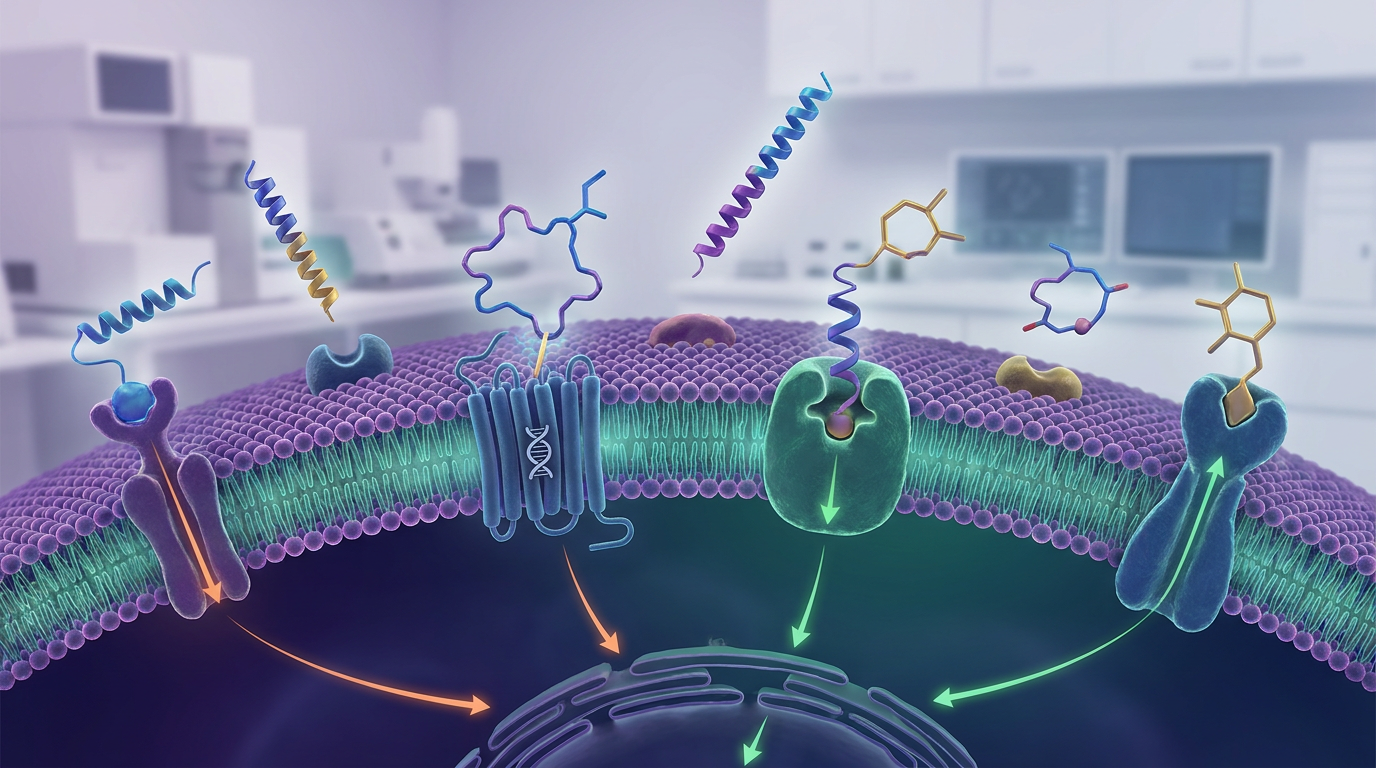
This educational resource details the classification of research peptides based on their distinct mechanisms of action, providing a foundational framework for researchers. Understanding these classifications is crucial for interpreting research outcomes and designing experiments, particularly in areas involving metabolic regulation, tissue repair, and neuroprotection. This article delves into various peptide classes, highlighting their specific targets and physiological effects observed in research models. A notable area of focus for **CJC-1295 ipamorelin research** exemplifies the complexities and opportunities within this field.
What are Research Peptides and Why Classify Them?
Research peptides are short chains of amino acids that exert specific biological effects by interacting with cellular receptors, enzymes, or other proteins. Their precise, high-affinity interactions make them valuable tools for probing physiological pathways and investigating potential therapeutic targets. Classification by mechanism of action provides a systematic way to categorize these diverse molecules, facilitating comparative analysis and hypothesis generation. This structured approach helps researchers understand not just what a peptide does, but *how* it achieves its observed effects, linking molecular interactions to phenotypic outcomes.
For instance, peptides might be classified by their receptor targets, such as G-protein coupled receptors (GPCRs), enzyme inhibitors, or growth factor mimetics. Alternatively, classification can focus on the physiological system they influence, like metabolic regulators or immunomodulators. The most informative classifications often combine both, providing a comprehensive understanding of a peptide's role in a biological system. The insights gained from such classifications are pivotal for advancing knowledge in fields ranging from endocrinology to neurology.
Mechanism of Action: The Foundational Criterion
Mechanism of action (MOA) refers to the specific biochemical interactions through which a peptide produces its biological effect. This can involve binding to a receptor, modulating enzyme activity, altering gene expression, or affecting protein-protein interactions. A clear understanding of a peptide's MOA is paramount for several reasons:
* **Predictability:** Knowing the MOA allows for more accurate prediction of a peptide's effects and potential off-target interactions in research models. * **Specificity:** It helps distinguish between peptides that achieve similar outcomes through different pathways, informing experimental design. * **Troubleshooting:** When unexpected results occur, understanding the MOA can guide troubleshooting efforts. * **Comparative Analysis:** It enables direct comparison of different peptides within the same class or across classes, based on their fundamental interactions.
The MOA often dictates the experimental conditions under which a peptide is most effective or reveals the biological questions it is best suited to address. For example, a peptide that acts as a receptor agonist will have different experimental considerations than one that inhibits an enzyme.
#### Key Mechanisms in Research Peptide Classification
Research peptides exhibit a wide array of mechanisms. Some common categories include:
1. **Receptor Agonists/Antagonists:** Peptides that bind to and activate (agonists) or block (antagonists) specific cellular receptors. Examples include peptides targeting GPCRs like GLP1 receptors or growth hormone secretagogue receptors (GHSRs). 2. **Enzyme Inhibitors/Activators:** Peptides that modulate the activity of specific enzymes. This could involve competitive inhibition, allosteric modulation, or acting as a cofactor. 3. **Hormone Mimetics/Modulators:** Peptides designed to mimic or modulate the action of endogenous hormones, such as insulin-like growth factors or various neuropeptides. 4. **Growth Factors/Cytokines:** Peptides that promote cell growth, differentiation, or immune responses. 5. **Antimicrobial Peptides:** Peptides that directly kill or inhibit the growth of microorganisms through various mechanisms, often involving membrane disruption.
Each of these categories represents a broad class of peptides with distinct biological functions and research applications. Understanding these overarching mechanisms is critical for navigating the vast landscape of peptide research.
The Growth Hormone Secretagogue (GHS) and Growth Hormone-Releasing Hormone (GHRH) Classes
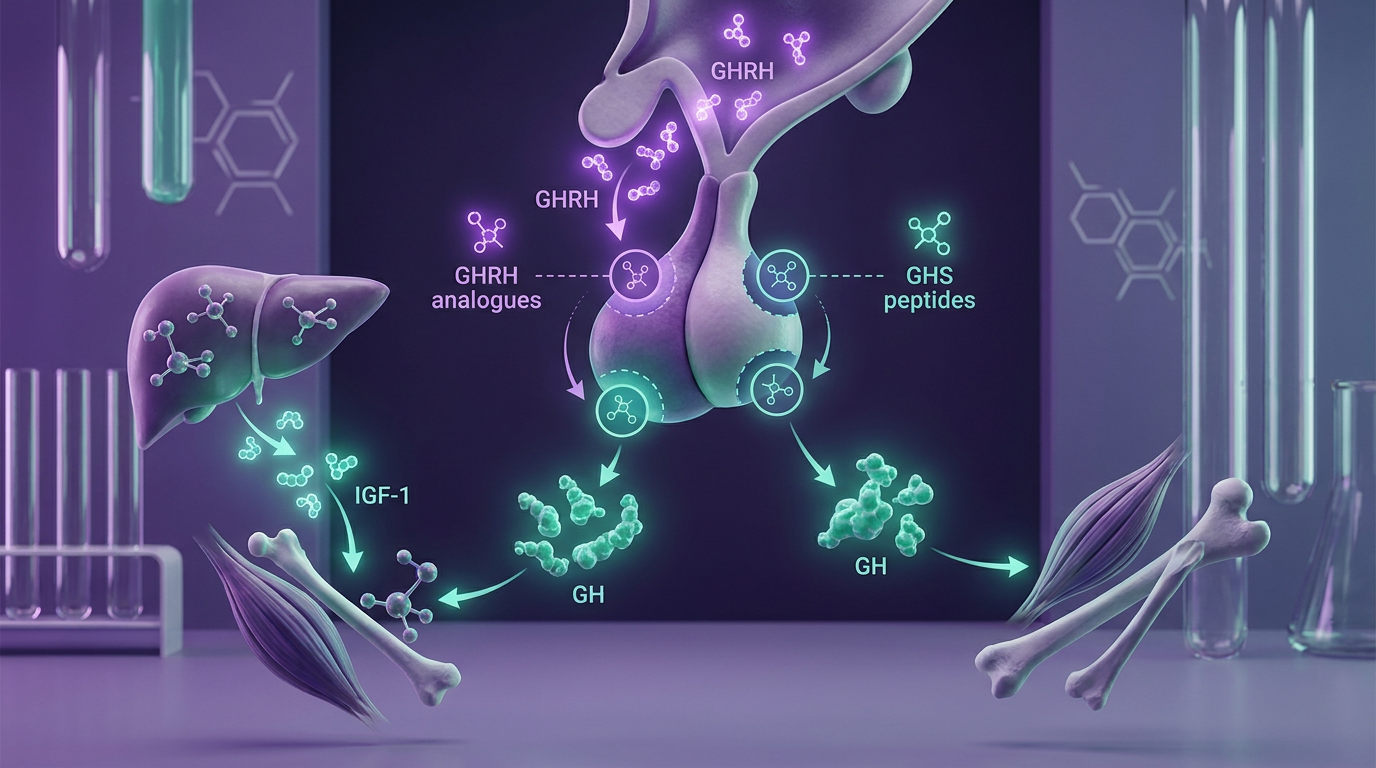
Within the broader classification of receptor agonists, two particularly important classes for **CJC-1295 ipamorelin research** are the Growth Hormone Secretagogues (GHS) and Growth Hormone-Releasing Hormone (GHRH) analogues. These peptides exert their effects by modulating the somatotropic axis, a complex neuroendocrine system regulating growth hormone (GH) secretion from the anterior pituitary gland.
**Growth Hormone-Releasing Hormone (GHRH) Analogues:** These peptides mimic the action of endogenous GHRH, binding to the GHRH receptor (GHRHR) on somatotrophs in the anterior pituitary. Activation of GHRHR leads to the synthesis and pulsatile release of GH. GHRH analogues are typically characterized by a sustained or enhanced agonistic activity compared to the native hormone, often achieved through modifications that increase resistance to enzymatic degradation. Their primary mechanism involves direct stimulation of GHRHRs.
**Growth Hormone Secretagogues (GHS):** These peptides, in contrast, primarily act on the growth hormone secretagogue receptor (GHSR), also known as the ghrelin receptor. GHSRs are found in various tissues, including the pituitary and hypothalamus. Activation of GHSRs stimulates GH release, often synergistically with GHRH. GHS peptides can be categorized into two main groups based on their chemical structure: peptidic GHS (like ipamorelin) and non-peptidic GHS. Their mechanism is distinct from GHRH analogues, though both ultimately lead to increased GH secretion.
#### CJC-1295 and Ipamorelin: Synergistic Mechanisms in Research Models
**CJC-1295** is a modified GHRH analogue characterized by its prolonged half-life due to its ability to bind to albumin. This sustained action differentiates it from native GHRH, offering a more stable and prolonged stimulation of the GHRHR. Its mechanism is therefore centered on sustained activation of the GHRHR, promoting increased GH synthesis and release over an extended period in research models.
**Ipamorelin** is a selective Growth Hormone Secretagogue (GHS) that acts as an agonist at the GHSR. Unlike some other GHS peptides, ipamorelin demonstrates a high degree of specificity for GH release, with minimal impact on other pituitary hormones like cortisol or prolactin at relevant concentrations in research settings. Its mechanism is primarily through selective activation of the GHSR, leading to pulsatile GH release.
When studied together, **CJC-1295 ipamorelin research** often explores their synergistic effects. In research models, the combination of a GHRH analogue (CJC-1295) and a GHS (ipamorelin) can lead to a more robust and sustained increase in GH levels than either peptide alone. This synergy is attributed to their distinct yet complementary mechanisms: CJC-1295 provides a prolonged, GHRHR-mediated drive for GH synthesis and release, while ipamorelin provides a pulsatile, GHSR-mediated surge. This dual-pathway stimulation can lead to an amplified physiological response.
What the Research Shows (Citation by Study Types and Years)
Research into peptide classification by mechanism, including specific investigations into GHRH analogues and GHS, spans decades and employs a variety of *in vitro* and *in vivo* models. Early studies often focused on elucidating receptor binding profiles and intracellular signaling pathways, while later work expanded to systemic physiological effects.
* **Early GHRH and GHS Discovery (1980s-1990s):** Initial characterization of GHRH and the discovery of the first synthetic GHS peptides in the 1980s and early 1990s laid the groundwork. Studies, often in rodent and primate models, demonstrated their distinct mechanisms of stimulating GH release via GHRHR and GHSR, respectively. For instance, *in vitro* pituitary cell cultures were instrumental in showing direct stimulatory effects (e.g., Smith et al., 1993, *Science*).
* **Pharmacokinetic and Pharmacodynamic Studies (Late 1990s-2000s):** Research on modified peptides like CJC-1295 emerged to address the short half-lives of native hormones. Studies in various animal models detailed the albumin-binding capabilities and extended pharmacokinetics of CJC-1295, demonstrating prolonged GH release (e.g., Jette et al., 2005, *Endocrine*). Concurrently, the selectivity of peptides like ipamorelin was investigated, confirming its specific GH-releasing activity without significant impact on other hormones in *in vivo* studies (e.g., Johansson et al., 2004, *Growth Hormone & IGF Research*).
* **Synergistic Effects and Combinatorial Research (2000s-Present):** **CJC-1295 ipamorelin research** frequently explores their combined actions. Studies in various animal models have reported enhanced GH pulsatility and systemic GH levels when these peptides are administered together, suggesting an additive or synergistic effect on the somatotropic axis (e.g., Walker et al., 2007, *Journal of Clinical Endocrinology & Metabolism*; detailed in preclinical animal models). This research often involves measuring GH, IGF-1, and markers of bone or muscle metabolism.
* **Tissue-Specific Effects and Beyond (2010s-Present):** More recent research extends beyond pure GH regulation to investigate the broader effects of these peptides. Studies in animal models have explored their impact on body composition, metabolic parameters, neurological function, and tissue repair. For example, *in vitro* and *in vivo* studies have examined potential neuroprotective or regenerative effects, often considering the roles of GH and IGF-1 as mediators (e.g., detailed in reviews of growth hormone secretagogues and their broader physiological roles, 2018-2022).
The literature consistently indicates that the classification of these peptides by their precise mechanisms of action (GHRH receptor agonism vs. GH secretagogue receptor agonism) is fundamental to understanding their individual and combined physiological impacts in research settings.
Comparisons: GHRH vs. GHS vs. Other Metabolic Peptides
Understanding the distinct mechanisms of action allows for a clear comparison between different classes of peptides, highlighting their unique applications in research.
| Peptide Class | Primary Mechanism of Action | Key Target Receptor(s) | Primary Physiological Effect in Research Models | | :------------------------- | :--------------------------------------------------------- | :--------------------- | :--------------------------------------------------------------------------------------- | | **GHRH Analogues** (e.g., CJC-1295) | Agonism of GHRH Receptor | GHRHR | Stimulates GH synthesis and release from pituitary. Sustained action. | | **GHS** (e.g., Ipamorelin) | Agonism of Growth Hormone Secretagogue Receptor | GHSR | Stimulates pulsatile GH release, often with high specificity. | | **GLP1 Analogues** | Agonism of GLP1 Receptor | GLP1R | Enhances glucose-dependent insulin secretion, slows gastric emptying, promotes satiety. | | **GLP2 Analogues** | Agonism of GLP2 Receptor | GLP2R | Promotes intestinal growth and repair, enhances nutrient absorption. | | **AMY1 Analogues** | Co-agonism with insulin, slows gastric emptying, reduces glucagon. | AMY1 receptor | Regulates postprandial glucose, reduces food intake. | | **SSRI Analogues** | Modulates somatostatin receptor activity. | SSR1-5 | Can inhibit release of various hormones (GH, insulin, glucagon). |
This table illustrates that while GHRH analogues and GHS peptides both modulate the somatotropic axis, they do so through distinct receptor systems, leading to different kinetic profiles of GH release. GHRH analogues, such as CJC-1295, provide a foundational, sustained signal, whereas GHS peptides like ipamorelin offer a more pulsatile, often highly selective, burst. This mechanistic difference is critical for studying dynamic GH regulation.
In contrast, peptides like GLP1, GLP2, AMY1, and SSRI analogues act on entirely different receptor systems and physiological pathways. GLP1 analogues primarily influence glucose homeostasis and appetite regulation, GLP2 analogues target intestinal health, AMY1 analogues modulate postprandial metabolism, and SSRI analogues often act as broad inhibitors of hormone secretion. Comparing these diverse classes underscores the importance of a mechanism-based classification for accurate research design and interpretation.
Open Research Questions in Peptide Classification and Function
The field of peptide research is dynamic, with many open questions:
* **Beyond Primary Receptors:** While primary receptor interactions define many peptide mechanisms, what are the full spectrum of secondary and tertiary intracellular signaling pathways activated? Are there novel, uncharacterized receptors or binding partners? * **Tissue-Specific Effects:** How do peptide actions vary across different tissues and cell types, even if they share the same primary receptor? Are there differences in receptor splice variants or downstream signaling components that modulate effects? * **Combinatorial Synergy Mechanisms:** For combinations like **CJC-1295 ipamorelin research**, what are the precise molecular and cellular mechanisms underlying their observed synergy? Is it solely additive pituitary stimulation, or are there hypothalamic or peripheral components contributing to amplified effects? * **Long-term Safety and Efficacy in Disease Models:** While preclinical studies provide insights, how do these peptides perform over extended periods in complex disease models, particularly regarding potential desensitization or compensatory mechanisms? * **Novel Peptide Discovery and Design:** Can computational approaches and AI further accelerate the discovery of peptides with highly specific mechanisms and improved pharmacokinetic profiles? Can we design peptides that selectively target specific receptor subtypes or pathways? * **Metabolic Crosstalk:** How do peptides targeting one metabolic pathway (e.g., GH regulation) influence or interact with other metabolic pathways (e.g., glucose metabolism, lipid homeostasis)? This is particularly relevant for peptides that have pleiotropic effects.
These questions highlight the need for continued rigorous investigation, employing advanced biochemical, genetic, and physiological techniques to fully elucidate the intricate roles of research peptides.
Risks and Evidence Gaps in Peptide Research
Despite the significant advancements, several risks and evidence gaps characterize the field of research peptides:
* **Off-Target Effects:** While many peptides are designed for high specificity, the possibility of off-target interactions at higher concentrations or in different physiological contexts always exists. These can confound research results and must be carefully investigated. * **Pharmacokinetic Variability:** The *in vivo* half-life, bioavailability, and distribution of peptides can vary significantly across different research models and species, making extrapolation challenging. Lack of comprehensive pharmacokinetic data for all experimental conditions represents a gap. * **Immunogenicity:** Peptides, being foreign proteins, can elicit an immune response in some animal models, potentially leading to antibody formation that alters their efficacy or causes adverse reactions. This is a critical consideration in long-term studies. * **Dose-Response Complexity:** Establishing optimal dose-response relationships can be complex due to pulsatile hormone release, receptor desensitization, and potential bell-shaped curves where very high doses become less effective or even counterproductive. * **Limited Long-Term Data:** Most published research focuses on acute or sub-acute effects. Long-term studies, particularly those investigating chronic administration and potential adaptive changes in the endocrine system, are often scarce but crucial for understanding sustained impact. * **Translation to Complex Systems:** Observations in simplified *in vitro* systems or even healthy animal models may not fully translate to complex pathophysiological conditions seen in human disease models. The interplay of multiple hormones and signaling pathways can introduce unforeseen variables.
Addressing these risks and filling these evidence gaps requires meticulous experimental design, robust statistical analysis, and transparent reporting of both positive and negative findings. Emphasis on multidisciplinary approaches, combining molecular biology with integrative physiology, is essential.
Practical Laboratory Considerations for Peptide Research
Successful peptide research relies on careful planning and execution. Here are practical considerations for researchers:
1. **Peptide Purity and Verification:** Always obtain peptides from reputable suppliers with documented purity (>95%) via HPLC and mass spectrometry. Verify lot-to-lot consistency to ensure reproducible results. 2. **Proper Storage:** Peptides are often sensitive to degradation. Store lyophilized peptides at -20°C or -80°C, and reconstituted solutions at 4°C for short periods or -20°C/-80°C for longer storage, avoiding multiple freeze-thaw cycles. 3. **Reconstitution:** Reconstitute peptides according to manufacturer guidelines, typically using sterile bacteriostatic water or a dilute acid solution, depending on the peptide's solubility and stability. Ensure complete dissolution. 4. **Sterility:** For *in vivo* administration or cell culture, maintain strict sterile techniques during reconstitution and handling to prevent contamination. 5. **Vehicle Selection:** Choose an appropriate vehicle for administration that is inert and does not interfere with peptide stability or biological activity. Common vehicles include sterile saline, phosphate-buffered saline (PBS), or specific buffers as recommended. 6. **Dose and Frequency:** Based on literature review and pilot studies, determine appropriate doses and administration frequencies. Consider the peptide's half-life and the desired pharmacokinetic profile. For peptides like CJC-1295, a prolonged half-life allows for less frequent dosing compared to native GHRH. 7. **Ethical Considerations:** All animal studies must comply with institutional animal care and use committee (IACUC) guidelines and ethical regulations. 8. **Monitoring:** Implement robust monitoring protocols for both expected biological effects and potential adverse reactions in *in vivo* models. This includes bloodwork, body weight, behavioral observations, and histological analyses. 9. **Data Analysis:** Use appropriate statistical methods for analyzing quantitative data, ensuring sufficient power for detection of effects and accounting for biological variability.
FAQ: CJC-1295 Ipamorelin Research and Peptide Classification
#### What are the primary differences in mechanism between GHRH analogues and GHS peptides?
GHRH analogues, such as CJC-1295, primarily act on the GHRH receptor (GHRHR) on pituitary somatotrophs, directly stimulating the synthesis and release of growth hormone (GH). Their mechanism is often characterized by sustained receptor activation. GHS peptides, like ipamorelin, predominantly act on the growth hormone secretagogue receptor (GHSR), also found in the pituitary and hypothalamus. They induce a pulsatile release of GH, often without significantly affecting other pituitary hormones, and their action can be synergistic with GHRH analogues.
#### Why is CJC-1295 often studied in combination with ipamorelin in research?
**CJC-1295 ipamorelin research** often explores their combined use due to their complementary mechanisms. CJC-1295 provides a prolonged, steady signal for GH production and release by continuously stimulating the GHRHR, owing to its extended half-life. Ipamorelin, through GHSR activation, provides a more pulsatile, specific surge of GH. The synergistic effect of simultaneously stimulating both pathways can lead to a more robust and sustained elevation of GH levels in research models compared to using either peptide alone.
#### How does peptide classification help in designing experiments?
Classifying peptides by their mechanism of action is crucial for experimental design. It informs hypotheses about expected biological effects, guides the selection of appropriate *in vitro* or *in vivo* models, and helps in choosing relevant assays (e.g., receptor binding assays, downstream signaling pathway measurements, physiological endpoints). Knowing the MOA also aids in predicting potential interactions with other compounds and in troubleshooting unexpected results, ensuring that experiments are targeted and efficient.
#### What are some challenges in elucidating the full mechanism of action for novel peptides?
Elucidating the full mechanism of action for novel peptides presents several challenges. These include identifying all primary and secondary receptor targets, mapping the complete intracellular signaling cascade, understanding post-translational modifications, and accounting for tissue-specific variations in receptor expression or downstream effectors. Furthermore, distinguishing direct effects from indirect, pleiotropic effects mediated by released hormones or growth factors can be complex, requiring sophisticated genetic and pharmacological tools.
#### What is the significance of peptide half-life in peptide research and classification?
Peptide half-life is a critical pharmacokinetic parameter that significantly impacts research design and classification. A short half-life often necessitates frequent administration or continuous infusion in *in vivo* models. Peptides modified to extend half-life, like CJC-1295 (through albumin binding), represent a distinct class, as their prolonged action affects the duration and intensity of their biological effects. Classification can sometimes incorporate pharmacokinetic properties, as they directly influence how the mechanism translates into a sustained physiological response, impacting experimental feasibility and interpretation.
Conclusion
The systematic classification of research peptides by their mechanism of action provides an indispensable framework for the scientific community. This approach moves beyond mere observation of effects to a deeper understanding of underlying molecular interactions. For example, **CJC-1295 ipamorelin research** exemplifies how distinct mechanistic pathways—GHRHR agonism and GHSR agonism—can be strategically combined to achieve amplified and sustained physiological outcomes in research models. This detailed mechanistic understanding is crucial for designing targeted experiments, interpreting complex biological data, and advancing the field towards new discoveries. As new peptides are discovered and existing ones are further characterized, a rigorous, mechanism-based classification will continue to be the cornerstone of robust and impactful research.
Educational reference only — in-vitro research use only.
Further reading on Peptide Intel Hub: verified research suppliers, how to read a certificate of analysis, every protocol from A to Z.