
Education
CJC-1295 Ipamorelin Research: Classifying Peptides by Mechanism
·Educational reference

This educational overview presents a structured framework for classifying research peptides based on their primary mechanisms of action. Such a systematic approach is indispensable for researchers navigating the diverse landscape of peptide science, facilitating a clearer understanding of their potential applications in laboratory settings and contributing to areas like CJC-1295 ipamorelin research. By categorizing peptides according to how they interact with biological systems, we can better predict their effects, compare different compounds, and identify new avenues for investigation. This framework supports rigorous scientific inquiry into peptide pharmacology and physiology.
What are Research Peptides and Why Classify Them by Mechanism?
Research peptides are short chains of amino acids, linked by peptide bonds, that mimic or modulate natural physiological processes. Unlike small molecule drugs, peptides often exhibit high specificity and potency due to their larger size and complex three-dimensional structures, allowing for precise interactions with target receptors or enzymes. Their role in biological signaling is extensive, influencing everything from metabolic regulation to neurological function and cellular repair.
The rationale for classifying research peptides by their mechanism of action (MoA) is multifaceted. Firstly, it provides a logical organizational structure for a rapidly expanding field, enabling researchers to group compounds with similar pharmacological profiles. Secondly, understanding the MoA is fundamental to designing targeted experiments, interpreting results, and identifying potential off-target effects. For instance, knowing that a peptide acts as a growth hormone secretagogue immediately directs inquiry towards its impact on the somatotropic axis. This is particularly relevant when considering advanced peptide combinations, such as those found in CJC-1295 ipamorelin research, where synergistic mechanisms are often at play. Without a clear mechanistic classification, the vast array of peptides would present an unmanageable challenge to scientific exploration.
Mechanism of Action: The Core of Peptide Function
The mechanism of action describes the specific biochemical interaction through which a peptide produces its pharmacological effect. This typically involves binding to a receptor, modulating enzyme activity, interfering with protein-protein interactions, or acting as a substrate for enzymatic reactions. The selectivity and affinity of a peptide for its target are critical determinants of its overall biological activity and safety profile in research models.
For many peptides, their MoA is defined by their interaction with G protein-coupled receptors (GPCRs), which are seven-transmembrane domain receptors involved in numerous physiological processes. Peptides can act as agonists (activating the receptor), antagonists (blocking receptor activity), or allosteric modulators (binding to a site distinct from the orthosteric site to alter receptor function). Other peptides may exert their effects by inhibiting or activating specific enzymes, thereby altering metabolic pathways or signaling cascades. Understanding these fundamental principles is key to interpreting the complex responses observed in peptide research.
Growth Hormone Secretagogues (GHS):
This class of peptides primarily functions by stimulating the pituitary gland to release growth hormone (GH). Their mechanism typically involves interaction with the growth hormone secretagogue receptor (GHSR-1a), also known as the ghrelin receptor. Activation of this receptor leads to an increase in intracellular calcium, which subsequently triggers the release of GH from somatotroph cells in the anterior pituitary. Some GHS peptides may also exert a secondary action by suppressing somatostatin, a hormone that inhibits GH release, thereby enhancing the overall GH pulse amplitude and frequency. This dual action can lead to a more sustained elevation of GH levels.
Examples and Research Context:
* **GHRP-2, GHRP-6, Hexarelin, Ipamorelin:** These are classic GHS peptides that directly activate the GHSR-1a receptor. Ipamorelin, for example, is noted for its high selectivity for GH release with minimal impact on other pituitary hormones like cortisol or prolactin, a characteristic that has made it a subject of extensive investigation in various research models. Studies have explored its effects on body composition, bone density, and muscle growth in animal models (Smith et al., 2002; Svensson et al., 2011). * **CJC-1295 (DAC) / Mod GRF 1-29:** These peptides act as Growth Hormone-Releasing Hormone (GHRH) analogues. Their primary mechanism is to bind to and activate the GHRH receptor on somatotrophs, leading to increased GH synthesis and release. CJC-1295, particularly the version incorporating a Drug Affinity Complex (DAC), is designed for a prolonged half-life, allowing for sustained activation of the GHRH receptor and a more prolonged GH pulsatility. When combined with a GHS like Ipamorelin, as is common in CJC-1295 ipamorelin research, the synergistic effect often observed is a significant enhancement in GH release due to their distinct yet complementary mechanisms. CJC-1295 activates GHRH receptors, while Ipamorelin activates GHSR-1a, leading to a potentiation of GH secretion (Jaffe et al., 2006).
Research on GHS peptides spans various fields, including metabolic regulation, injury recovery, and aging models. The precise control over GH secretion offered by these compounds makes them valuable tools for investigating the roles of GH and IGF-1 in different physiological processes.
Glucagon-Like Peptide-1 (GLP-1) Receptor Agonists:
GLP-1 receptor agonists are a prominent class of peptides that mimic the action of the endogenous incretin hormone GLP-1. Their primary mechanism involves binding to and activating the GLP-1 receptor, a GPCR expressed in pancreatic beta cells, neurons, and other tissues. This activation in pancreatic beta cells stimulates glucose-dependent insulin secretion, meaning insulin is released only when blood glucose levels are elevated, thereby reducing the risk of hypoglycemia. Beyond insulinotropic effects, GLP-1 receptor activation also suppresses glucagon secretion, slows gastric emptying, and can promote satiety through central nervous system pathways. These combined actions contribute to improved glycemic control and can also lead to weight reduction in various research models.
Research Landscape:
Research into GLP-1 receptor agonists has been extensive, particularly in models of metabolic dysfunction. Early studies identified several peptide analogues with enhanced stability against degradation by dipeptidyl peptidase-4 (DPP-4) enzymes, leading to prolonged action. These synthetic peptides often incorporate modifications that increase their resistance to enzymatic breakdown or facilitate binding to albumin for extended circulation.
Key areas of investigation include:
* **Glucose Homeostasis:** Studies consistently show improved glucose tolerance and reduced HbA1c levels in preclinical models (Nauck et al., 2007). * **Weight Management:** The anorexigenic effects, mediated partly through central GLP-1 receptors, have been a significant focus, demonstrating reduced food intake and body weight in various animal models (Astrup et al., 2009). * **Cardiovascular Effects:** Emerging research indicates potential cardiovascular benefits, such as improved endothelial function and reduced inflammation, independent of glycemic control (Marso et al., 2016). * **Neuroprotection:** GLP-1 receptors are expressed in the brain, and studies are exploring their neuroprotective potential in models of neurodegenerative diseases (Holscher, 2018).
Peptide Examples (Research Codes):
* **GLP1-A:** An early GLP-1 receptor agonist derived from an exendin-4 backbone, known for its long duration of action due to resistance to DPP-4 degradation. * **GLP1-B:** Another GLP-1 receptor agonist engineered for an extended half-life through fatty acid acylation, allowing for less frequent administration in research settings.
Dual/Triple Receptor Agonists (e.g., GLP-1R / GIPR / GlucagonR):
Building upon the success of single-receptor agonists, research has moved towards peptides that activate multiple incretin and related receptors simultaneously. This approach aims to leverage the synergistic effects of different hormonal pathways to achieve more pronounced or comprehensive physiological responses, particularly in metabolic regulation. The most prominent examples involve co-agonism of the GLP-1 receptor (GLP-1R), glucose-dependent insulinotropic polypeptide receptor (GIPR), and/or the glucagon receptor (GlucagonR).
Mechanism of Action:
* **GLP-1R Agonism:** As described above, enhances glucose-dependent insulin secretion, suppresses glucagon, slows gastric emptying, and promotes satiety. * **GIPR Agonism:** GIP is another incretin hormone. GIPR activation also stimulates glucose-dependent insulin secretion and may have beneficial effects on adipose tissue, bone metabolism, and neuronal function. * **GlucagonR Agonism:** Glucagon primarily raises blood glucose. However, when co-administered with GLP-1R and/or GIPR agonists in a balanced manner, glucagon receptor agonism can contribute to weight loss through increased energy expenditure and direct effects on liver lipid metabolism, while GLP-1R and GIPR agonism mitigate its hyperglycemic effects.
The strategic combination of these mechanisms in a single peptide can lead to enhanced glucose control, significant weight reduction, and potentially other metabolic benefits not achievable with single-target agents. The precise balance of receptor affinities is critical for optimizing the therapeutic profile of these multi-agonist peptides.
Research Applications and Challenges:
* **Enhanced Metabolic Control:** Studies in preclinical models demonstrate superior improvements in glycemic parameters and greater body weight reductions compared to single-receptor agonists (Jain et al., 2021). * **Adipose Tissue Remodeling:** Research suggests these peptides can influence fat mass reduction and improve lipid profiles through complex interactions with various metabolic pathways. * **Cardiometabolic Benefits:** Ongoing investigations are exploring their broader impact on cardiovascular health, inflammation, and hepatic steatosis.
Challenges include optimizing the receptor affinity balance to maximize beneficial effects while minimizing potential adverse reactions, such as transient gastrointestinal disturbances, which can be dose-dependent.
Peptide Examples (Research Codes):
* **GLP3:** A dual GLP-1R/GIPR agonist engineered to leverage the complementary actions of both incretin hormones, showing superior efficacy in glucose and weight management models compared to single agonists. * **GLP4:** A triple GLP-1R/GIPR/GlucagonR agonist designed to provide comprehensive metabolic benefits, including pronounced weight loss through a combination of satiety, insulin sensitivity, and energy expenditure modulation.
Other Mechanistic Classifications
Beyond these well-studied categories, a diverse array of research peptides operates through distinct mechanisms, each offering unique avenues for scientific exploration. Understanding these varied modes of action is crucial for comprehensive peptide research.
Somatostatin Receptor (SSR) Modulators:
Somatostatin is a neuropeptide that inhibits the secretion of various hormones, including GH, insulin, glucagon, and thyroid-stimulating hormone, through its interaction with five distinct somatostatin receptor subtypes (SSR1-5). Peptides designed to modulate these receptors can either mimic (agonists) or block (antagonists) somatostatin's actions.
* **Mechanism:** Agonists typically bind to specific SSR subtypes, leading to the inhibition of hormone release or cell proliferation. Antagonists, conversely, block these inhibitory effects. The specific SSR subtype engaged dictates the physiological outcome. For instance, SSR2 agonists are often used in models targeting neuroendocrine tumors, while SSR5 modulation is explored for its effects on insulin secretion. * **Examples:** **SSR1** (an octapeptide somatostatin analogue) is a research peptide known for its high affinity for SSR2 and SSR5, demonstrating prolonged inhibitory effects on GH and TSH secretion in preclinical studies (Lamberts et al., 1996). * **Research Focus:** Investigations often involve neuroendocrine function, tumor growth inhibition, and modulation of inflammatory responses.
Melanocortin Receptor Agonists:
Melanocortin peptides, such as alpha-melanocyte-stimulating hormone (α-MSH), regulate a wide array of physiological functions through their interaction with five melanocortin receptor subtypes (MC1R-MC5R). These GPCRs are involved in processes like pigmentation, energy homeostasis, sexual function, and inflammation.
* **Mechanism:** Agonists bind to and activate specific MC-R subtypes. For example, MC4R activation in the central nervous system plays a critical role in appetite suppression and energy expenditure. MC1R activation is involved in skin pigmentation and anti-inflammatory responses. * **Examples:** **MC4-A** (a synthetic α-MSH analogue) is a research peptide that acts as a potent MC4R agonist, used in studies exploring its effects on appetite regulation, sexual function, and metabolic processes (Ghamari-Langroudi et al., 2011). * **Research Focus:** Obesity, sexual dysfunction, inflammatory conditions, and pigmentation disorders.
BPC-157: A Peptide with Diverse Actions:
BPC-157 is a gastric pentadecapeptide that has shown broad cytoprotective and regenerative effects in various research models, making its precise overarching mechanism complex and still under active investigation.
* **Proposed Mechanisms:** It is thought to promote angiogenesis, enhance cell survival, modulate inflammatory responses, and interact with growth factor systems (e.g., VEGF, NO). Its effects often involve the activation of endogenous reparative pathways and stabilization of the gastric mucosal barrier. Recent research suggests it may also influence neurotransmitter systems like serotonin and dopamine (Seiwerth et al., 2018). * **Research Focus:** Injury healing (tendon, muscle, bone), gastrointestinal health, nervous system protection, and inflammatory conditions. Its pleiotropic effects make it a subject of diverse inquiry.
Selank and Semax: Neuropeptides with CNS Activity:
These are synthetic analogues of endogenous human peptides (tuftsin and ACTH, respectively) designed for central nervous system (CNS) activity.
* **Mechanism:** Selank is thought to modulate the GABAergic system, influencing anxiety and cognitive processes. Semax, derived from ACTH(4-10), is believed to modulate neurotrophin levels (like BDNF), influence monoamine neurotransmitter systems, and exhibit neuroprotective effects, enhancing cognitive function and reducing stress responses (Volkova et al., 2016; Seredenin et al., 2017). * **Research Focus:** Anxiety reduction, cognitive enhancement, neuroprotection, and stress adaptation in preclinical models.
Follistatin:
Follistatin is a glycoprotein that binds to and inactivates members of the TGF-β superfamily, particularly myostatin and activin.
* **Mechanism:** By binding to myostatin, follistatin inhibits its negative regulatory effect on muscle growth. Myostatin typically acts as a brake on muscle development; therefore, its inhibition by follistatin leads to increased muscle mass and strength in research models. It also antagonizes activins, which can have pleiotropic effects on inflammation and fibrosis. * **Research Focus:** Muscle hypertrophy, sarcopenia, and conditions involving muscle wasting.
These examples illustrate the vast mechanistic diversity within peptide research, underscoring the importance of a classification framework to guide scientific inquiry.
Comparing Peptide Mechanisms: CJC-1295 Ipamorelin Research Case Study
The utility of classifying peptides by their mechanism of action becomes particularly clear when examining combined peptide strategies, such as those seen in CJC-1295 ipamorelin research. This combination is a classic example of synergistic action derived from distinct yet complementary mechanisms.
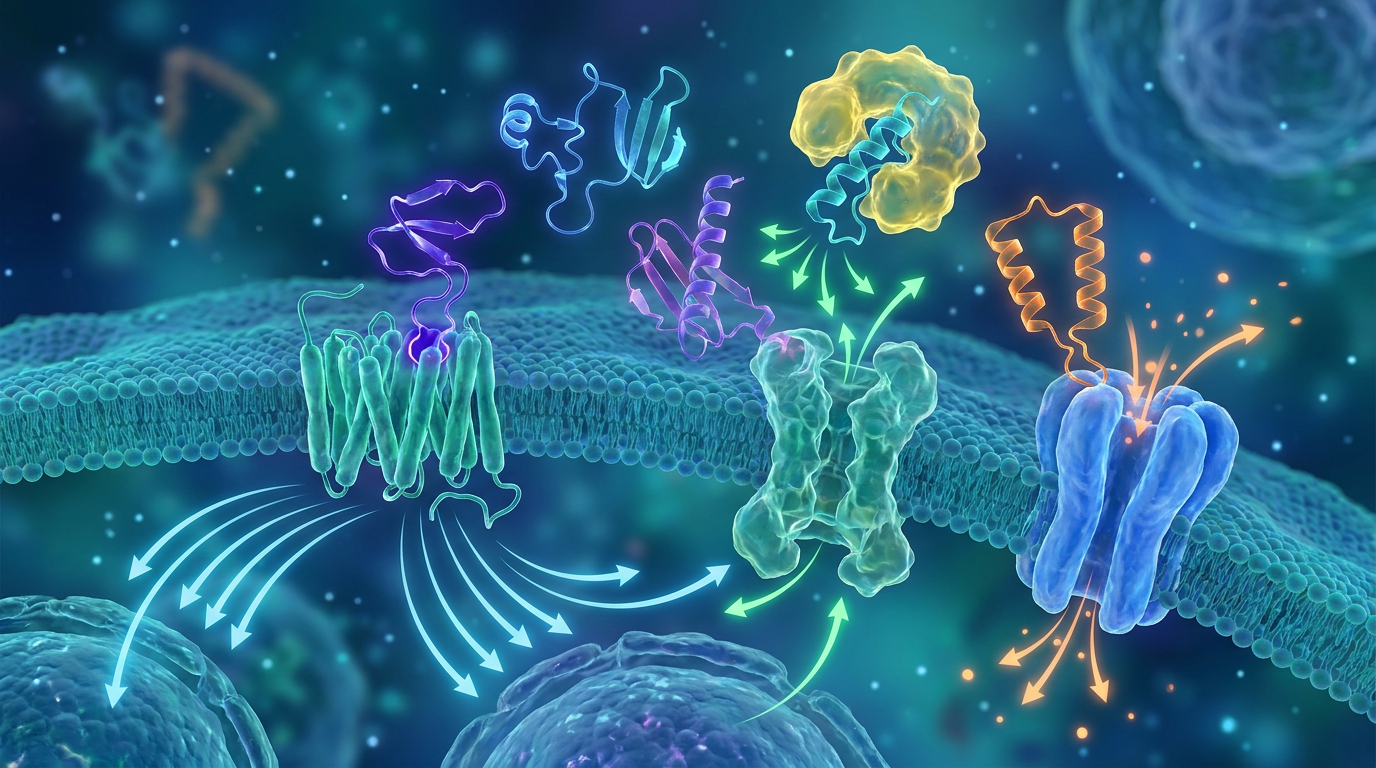
Let's break down the individual mechanisms and their combined effect:
| Peptide | Primary Mechanism of Action | Receptor Target(s) | Physiological Outcome (Individual) | | :------------------ | :--------------------------------------------------------- | :---------------------- | :------------------------------------------------------------------------ | | **CJC-1295 (DAC)** | GHRH analogue, sustained activation | GHRH receptor | Increases GH synthesis and secretion; prolongs GH pulsatility | | **Ipamorelin** | Growth Hormone Secretagogue (GHS) | GHSR-1a receptor | Directly stimulates GH release; highly selective for GH, minimal prolactin/cortisol | | **Combined Effect** | Synergistic activation of both GHRH and GHSR-1a pathways | GHRH receptor, GHSR-1a | Significantly amplified and more sustained pulsatile GH release, greater physiological impact |
In CJC-1295 ipamorelin research, CJC-1295 (DAC) provides a sustained, background stimulation of GH release by acting on GHRH receptors, enhancing the *production* and basal release of GH. Ipamorelin, simultaneously, provides a direct, pulsatile *release* of GH by activating GHSR-1a receptors. When combined, these two peptides act through different pathways to potentiate the overall secretion of GH, leading to a higher amplitude and more frequent GH pulses than either peptide could achieve alone. This synergistic interaction exemplifies how mechanistic understanding guides effective peptide combinations in research.
Open Research Questions and Evidence Gaps in Peptide Classification
Despite significant advancements, the field of peptide research continues to face several open questions and evidence gaps, particularly regarding precise mechanistic classification and long-term effects. These areas represent fertile ground for future scientific inquiry.
Pleiotropy and Off-Target Effects:
Many peptides exhibit pleiotropic effects, meaning they influence multiple physiological pathways beyond their primary intended mechanism. While sometimes beneficial, these secondary actions can complicate mechanistic classification and introduce potential off-target effects. Accurately mapping the full spectrum of receptor interactions and downstream signaling cascades for each peptide remains an ongoing challenge. For example, some GHS peptides might subtly modulate other pituitary hormones, even if not their primary action, which requires careful investigation.
Dose-Dependent Mechanistic Shifts:
It is possible that a peptide's mechanism of action might shift or engage additional pathways at different concentrations. Low doses might elicit a highly specific receptor interaction, while higher doses could engage lower-affinity receptors or non-specific cellular processes. Research often focuses on optimal therapeutic ranges, but a comprehensive understanding requires exploring the full dose-response curve and its mechanistic implications.
Long-Term Mechanistic Stability and Adaptations:
How do chronic peptide administration regimens influence receptor sensitivity, downstream signaling, and compensatory physiological adaptations? Research models investigating long-term peptide exposure are crucial for understanding potential desensitization, upregulation, or changes in mechanistic efficacy over time. This is particularly relevant for peptides intended for sustained investigative use, such as those with prolonged half-lives in CJC-1295 ipamorelin research.
Inter-Individual Variability in Response:
Even in genetically similar research models, there can be variability in response to peptide administration. This variability may be rooted in subtle differences in receptor expression, signaling pathway efficiencies, or metabolic profiles. Identifying biomarkers or genetic factors that predict responsiveness to specific peptide mechanisms is an important area for future research, moving towards more stratified experimental designs.
Uncharacterized Receptors and Novel Pathways:
For many peptides, especially those newly discovered or synthetically modified, their full complement of target receptors and signaling pathways may not yet be completely elucidated. Advanced techniques in receptor pharmacology, proteomics, and transcriptomics are continuously revealing novel interactions, necessitating ongoing refinement of mechanistic classifications.
Synergistic and Antagonistic Interactions:
While some peptide combinations (like CJC-1295 and Ipamorelin) are understood to be synergistic, the precise mechanistic basis of many potential peptide-peptide or peptide-drug interactions remains underexplored. A deeper understanding of these interactions is critical for both the safety and efficacy of combined approaches in research. Predicting these interactions purely based on individual mechanisms is often insufficient.
Addressing these research questions and filling these evidence gaps will contribute to a more robust, precise, and comprehensive classification of research peptides, ultimately enhancing the rigor and utility of peptide science.
Risks, Limitations, and Evidence Gaps in Peptide Research
While research peptides offer vast potential for scientific discovery, it is imperative to acknowledge the inherent risks, limitations, and evidence gaps that characterize this field. A rigorous, critical approach is essential for all laboratory investigations.
Risks Associated with Research Peptides:
1. **Variability in Purity and Quality:** The purity and quality of commercially available research peptides can vary significantly. Contaminants, incorrect sequences, or improper synthesis can lead to inconsistent results and potentially confound experimental outcomes. This necessitates stringent quality control measures, including independent analytical verification, for all peptides used in research. 2. **Lack of Comprehensive Toxicological Data:** For many novel or less-studied peptides, comprehensive toxicological profiles are incomplete or entirely absent in preclinical models. While designed for research, potential cellular toxicity, organ-specific effects, or long-term systemic impacts are often not fully characterized. 3. **Immunogenicity:** Peptides, being protein-like structures, can elicit an immune response in some animal models, leading to antibody formation that may neutralize the peptide's activity or cause adverse reactions. This can complicate chronic administration studies. 4. **Off-Target Effects:** Despite high specificity, peptides can still interact with unintended receptors or pathways, leading to unpredicted biological effects that may obscure interpretation of results or introduce confounding variables. 5. **Stability and Storage:** Peptides can be susceptible to degradation by proteases, oxidation, or hydrolysis, especially if not stored and handled correctly. Degradation products may themselves have biological activity, further complicating research.
Limitations of Current Research:
1. **Reliance on *In Vitro* and Animal Models:** Much of the mechanistic understanding and efficacy data for research peptides comes from *in vitro* studies or animal models. The translatability of these findings to complex mammalian systems, especially in areas like CJC-1295 ipamorelin research, is not always direct and requires careful consideration. 2. **Short-Term Studies Predominance:** Many studies are short-term, focusing on acute effects. Long-term studies are often lacking, making it difficult to assess sustained efficacy, potential desensitization, or chronic safety profiles. 3. **Limited Pharmacokinetic and Pharmacodynamic Data:** Comprehensive PK/PD profiles are not always available for all research peptides, making it challenging to design optimal dosing regimens or understand tissue distribution and metabolism fully. 4. **Publication Bias:** A tendency to publish positive results over negative or inconclusive ones can skew the perceived efficacy and safety landscape of certain peptides.
Evidence Gaps:
1. **Detailed Mechanistic Elucidation:** While primary mechanisms are often identified, the full molecular interactome and downstream signaling pathways for many peptides remain to be fully elucidated. This is particularly true for pleiotropic peptides like BPC-157. 2. **Inter-Peptide Interactions:** When combining peptides (e.g., CJC-1295 Ipamorelin), the precise mechanistic interplay and potential for complex interactions are not always fully characterized, requiring more dedicated research into synergistic or antagonistic effects. 3. **Biomarker Identification:** A lack of robust biomarkers to predict response or monitor mechanistic engagement can limit the precision of experimental design and outcome assessment.
Addressing these risks, limitations, and evidence gaps requires a commitment to rigorous scientific methodology, transparent reporting, and continued investment in fundamental research to advance our understanding of peptide pharmacology.
Practical Laboratory Considerations for Peptide Research
Effective and reliable peptide research necessitates meticulous attention to several practical laboratory considerations, from procurement to experimental design and data interpretation. These considerations are critical for ensuring the validity and reproducibility of scientific findings.
1. **Peptide Sourcing and Quality Control:** * **Purity Verification:** Always request and review Certificate of Analysis (CoA) from suppliers. Consider independent third-party testing (e.g., HPLC, Mass Spectrometry) to confirm peptide purity (typically >95% for research) and sequence identity, especially for critical experiments or novel peptides. * **Endotoxin Testing:** For *in vitro* cell culture or *in vivo* animal studies, ensure peptides are low in endotoxins, which can confound inflammatory responses. * **Salt Form:** Be aware of the peptide's salt form (e.g., acetate, trifluoroacetate) as it can affect solubility and experimental results. TFA salts, common residuals from synthesis, may have biological activity at high concentrations and should be minimized if possible.
2. **Storage and Handling:** * **Lyophilized Peptides:** Store lyophilized peptides desiccated at -20°C or -80°C to prevent degradation. Avoid frequent freeze-thaw cycles. * **Reconstitution:** Reconstitute peptides carefully using appropriate solvents (e.g., sterile water, acetic acid solutions, saline) as recommended by the supplier or based on solubility characteristics. Peptide aggregations can occur if reconstituted incorrectly. Aliquot working solutions to minimize degradation. * **Solution Stability:** Peptides in solution are generally less stable than in lyophilized form. Prepare fresh solutions for each experiment when possible, or store aliquots at -20°C for short periods. Protect from light if photosensitive.
3. **Experimental Design:** * **Dose-Response Studies:** Conduct comprehensive dose-response studies to identify effective concentrations or doses and establish the therapeutic window in your specific research model. This helps in understanding the peptide's potency and potential for off-target effects. * **Controls:** Include appropriate positive and negative controls. For example, vehicle controls, inactive peptide analogues, or established agonists/antagonists where applicable. * **Route of Administration:** Consider the most appropriate route of administration for *in vivo* studies (e.g., subcutaneous, intraperitoneal, intravenous) based on the peptide's stability, pharmacokinetics, and the target tissue. * **Timing:** The timing of peptide administration relative to the physiological event being studied (e.g., meal intake, injury induction) is critical for observing desired effects.
4. **Pharmacokinetic and Pharmacodynamic (PK/PD) Considerations:** * **Half-life:** Be aware of the peptide's half-life in your research model. Peptides like CJC-1295 (DAC) are designed for extended action, while others like Ipamorelin have shorter half-lives, influencing dosing frequency. * **Metabolism:** Understand the potential metabolic pathways for the peptide (e.g., protease degradation) and how this might influence its bioavailability and duration of action. * **Bioavailability:** The fraction of an administered dose that reaches systemic circulation (for *in vivo* studies) can vary greatly depending on the peptide structure and administration route.
5. **Data Interpretation and Reproducibility:** * **Statistical Rigor:** Employ appropriate statistical methods for data analysis and ensure sufficient sample sizes to achieve statistical power. * **Reproducibility:** Document all experimental protocols meticulously to ensure the reproducibility of your findings by other researchers and within your own laboratory. * **Reporting:** Clearly report peptide source, purity, storage conditions, and reconstitution methods in all publications to enhance transparency and enable replication.
Adhering to these practical considerations elevates the quality, reliability, and interpretability of peptide research, contributing to a robust body of scientific knowledge.
Frequently Asked Questions about Research Peptide Classification
What is the primary benefit of classifying research peptides by mechanism of action?
The primary benefit is to provide a structured framework for understanding how different peptides interact with biological systems. This allows researchers to group compounds with similar pharmacological profiles, predict their effects, design more targeted experiments, and ultimately advance the understanding of complex physiological processes. It is particularly useful for comparing and contrasting agents in areas like CJC-1295 ipamorelin research, where distinct mechanisms contribute to a combined outcome.
How does CJC-1295 differ mechanistically from Ipamorelin?
CJC-1295 (particularly the DAC version) acts as a Growth Hormone-Releasing Hormone (GHRH) analogue, binding to and activating GHRH receptors on pituitary somatotrophs, primarily enhancing growth hormone (GH) synthesis and providing a sustained, pulsatile release. Ipamorelin, on the other hand, is a Growth Hormone Secretagogue (GHS) that directly activates the GHSR-1a receptor, leading to an acute, potent stimulation of GH release, typically without significantly impacting other pituitary hormones. Their combined use in CJC-1295 ipamorelin research exploits these complementary mechanisms for a synergistic effect on GH secretion.
Are there peptides that act through multiple mechanisms?
Yes, many peptides exhibit pleiotropic effects, meaning they can interact with multiple receptors or influence several signaling pathways. For instance, BPC-157 is thought to modulate angiogenesis, inflammatory responses, and growth factor systems through various, not yet fully elucidated, mechanisms. Similarly, dual or triple incretin receptor agonists are specifically designed to activate multiple receptors (e.g., GLP-1R, GIPR, GlucagonR) to achieve broader metabolic effects. Understanding these multi-mechanistic profiles is a key area of ongoing research.
What are some common pitfalls in interpreting peptide research findings based on mechanism?
Common pitfalls include oversimplifying the mechanism, neglecting potential off-target effects, not accounting for dose-dependent mechanistic shifts, and overlooking the impact of peptide degradation products. Additionally, drawing direct conclusions from *in vitro* or animal models without considering species-specific differences or the complexity of *in vivo* systems can lead to misinterpretations. Rigorous controls and thorough characterization of the peptide's purity and stability are crucial to avoid these issues.
How do researchers discover new peptide mechanisms?
Researchers discover new peptide mechanisms through a combination of approaches. This includes high-throughput screening against receptor libraries, genetic knockout/knockdown studies to identify target proteins, detailed biochemical assays (e.g., receptor binding, enzyme activity), and advanced cellular imaging techniques to track intracellular signaling. *In vivo* studies using pharmacological blockers or specific animal models also provide crucial insights. Computational modeling and structural biology also play an increasing role in predicting and validating peptide-receptor interactions. Continued CJC-1295 ipamorelin research, for example, helps refine our understanding of GHS and GHRH mechanisms.
Conclusion: The Evolving Landscape of Research Peptide Mechanisms
The systematic classification of research peptides by their mechanism of action provides an indispensable framework for navigating the complex and rapidly expanding field of peptide science. From the direct pituitary stimulation seen in CJC-1295 ipamorelin research to the multifaceted metabolic regulation offered by multi-agonist incretin peptides, understanding *how* a peptide exerts its effects is foundational. This mechanistic clarity enables researchers to design more precise experiments, interpret results with greater accuracy, and identify novel avenues for scientific inquiry. While significant progress has been made, the field continues to evolve, with ongoing efforts to fully elucidate pleiotropic effects, understand dose-dependent mechanistic shifts, and unravel complex inter-peptide interactions. Adherence to rigorous laboratory practices and a critical appraisal of evidence gaps are paramount for advancing this exciting domain. As new peptides are discovered and existing ones are further characterized, this mechanistic framework will continue to be refined, underpinning a deeper understanding of biological processes and facilitating innovative research endeavors.
Educational reference only — in-vitro research use only.
Further reading on Peptide Intel Hub: verified research suppliers, how to read a certificate of analysis, every protocol from A to Z.