
Quality & Methods
Optimizing GHK-Cu Research Peptide Reconstitution and Storage
·Educational reference
Lyophilized research peptides represent a cornerstone of modern biochemical and pharmacological investigation. Their stability in solid form simplifies shipping and handling, yet their transition to an active solution requires meticulous attention to detail. This article comprehensively reviews the critical steps involved in the reconstitution and subsequent storage of such peptides, with a particular emphasis on the GHK-Cu research peptide. Understanding and implementing these best practices are paramount for researchers aiming to maintain peptide integrity, ensure experimental reproducibility, and prevent degradation that could confound study outcomes.
### What is a Lyophilized Research Peptide and Why is it Used?
Lyophilization, or freeze-drying, is a process used to preserve a wide array of biological substances, including research peptides. The process involves freezing the substance and then reducing the surrounding pressure to allow the frozen water to sublimate directly from the solid phase to the gas phase. This removes water without subjecting the peptide to high temperatures that could cause denaturation. The resulting product is a porous, solid cake or powder, known as a lyophilized preparation.
For research peptides like GHK-Cu, lyophilization offers several key advantages:
* **Enhanced Stability:** Removal of water significantly reduces chemical degradation pathways, such as hydrolysis and oxidation, thereby extending the peptide's shelf life compared to its solution form. * **Reduced Weight and Volume:** The absence of water makes the product lighter and less bulky, simplifying shipping and storage. * **Sterility Maintenance:** The process can be conducted under sterile conditions, contributing to the purity of the final product.
The GHK-Cu research peptide, a complex of a tripeptide (glycyl-L-histidyl-L-lysine) and a copper(II) ion, is frequently provided in lyophilized form due to its sensitivity in solution. Its diverse potential biological activities, investigated in various *in vitro* and *in vivo* models (Pickart, 2008; Purnamawati et al., 2021), necessitate stringent handling protocols to preserve its structural and functional integrity.
### General Mechanism of Peptide Degradation in Solution
Once a lyophilized peptide is reconstituted into a solution, it becomes significantly more susceptible to degradation. Understanding these mechanisms is crucial for informed handling and storage decisions:
* **Hydrolysis:** The most common form of degradation, where water molecules break peptide bonds, amino acid side chains, or copper-peptide complexes. This is pH-dependent and can be accelerated by elevated temperatures. * **Oxidation:** Certain amino acid residues, notably methionine, cysteine, tryptophan, and tyrosine, are prone to oxidation, especially in the presence of oxygen, light, and metal ions. For GHK-Cu, the copper ion itself can participate in redox reactions, influencing peptide stability. * **Racemization:** The conversion of an L-amino acid to its D-isomer, which can alter the peptide's biological activity and recognition by receptors or enzymes. * **Deamidation:** The removal of an amide group from asparagine or glutamine residues, leading to the formation of aspartic or glutamic acid, respectively. This can alter the charge and conformation of the peptide. * **Aggregation:** Peptides can self-associate to form insoluble aggregates, particularly at high concentrations or under specific pH conditions, reducing their effective concentration and potentially causing non-specific effects in experimental systems.
These degradation pathways highlight the imperative for controlled reconstitution and judicious storage of the GHK-Cu research peptide and others like it.
### Practical Considerations for Reconstitution
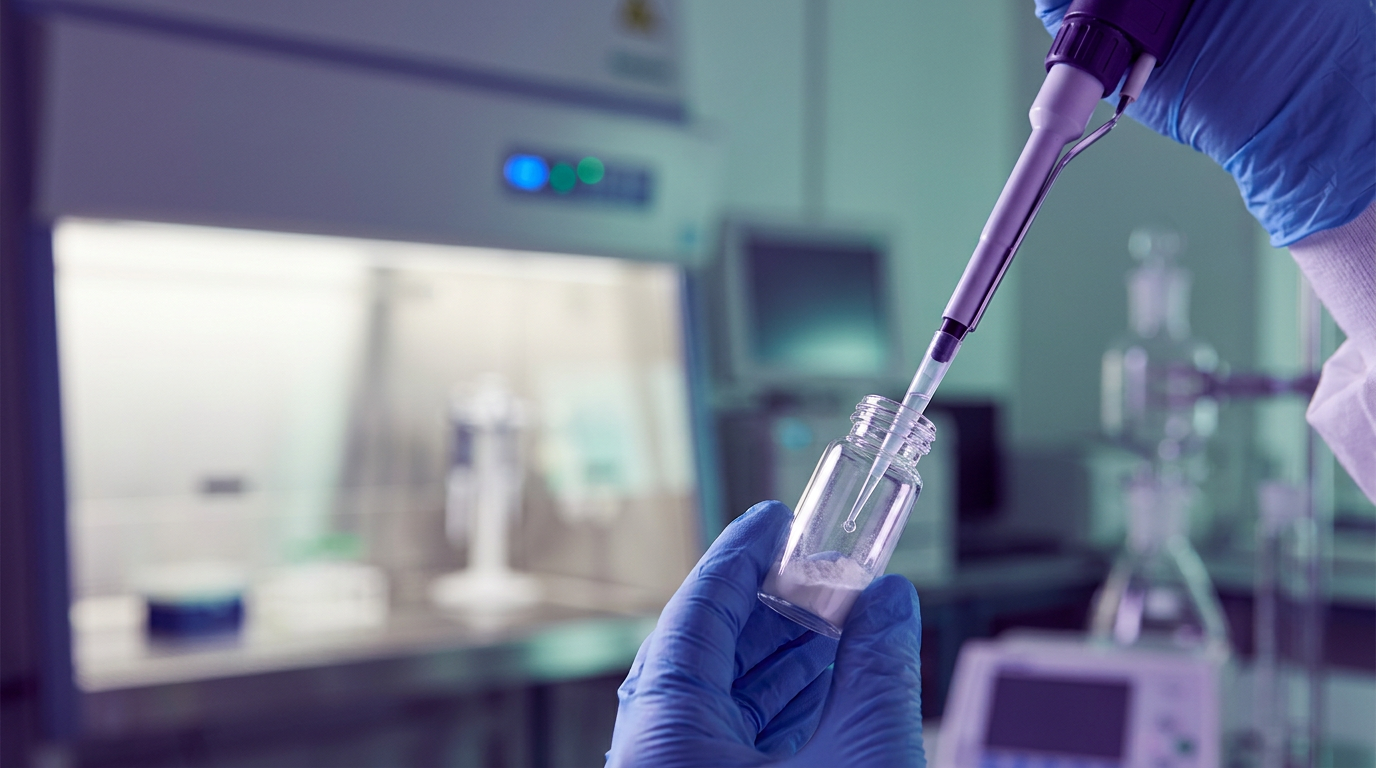
Reconstitution is a critical juncture where the lyophilized GHK-Cu research peptide transitions from a stable solid to an active, yet vulnerable, solution. Errors at this stage can compromise experimental outcomes. The following steps outline best practices:
1. **Temperature Equilibration:** Before opening the vial, allow the lyophilized peptide to equilibrate to room temperature for at least 30 minutes. This prevents condensation of atmospheric moisture onto the cold peptide, which could initiate degradation prematurely and alter the precise weight for concentration calculations. 2. **Solvent Selection:** The choice of solvent is paramount. Sterile, deionized water is often suitable for many peptides. However, some peptides, including GHK-Cu, may benefit from specific solvents or buffers. For GHK-Cu, sterile, ultra-pure water is generally recommended. For peptides with poor water solubility, a small percentage of an organic co-solvent (e.g., acetonitrile, DMSO, DMF) may be necessary, followed by dilution in an aqueous buffer. *Always refer to the manufacturer's specific recommendations for the GHK-Cu research peptide, as these are optimized for that particular preparation.* Ensure all solvents are of peptide-grade or higher to avoid introducing contaminants. 3. **Accurate Measurement:** Precisely measure the required volume of solvent using a calibrated pipette. Accuracy here directly impacts the final concentration of the GHK-Cu research peptide, a critical experimental parameter. 4. **Slow and Gentle Introduction of Solvent:** Slowly inject the solvent down the side of the vial, avoiding direct forceful stream onto the lyophilized powder. This minimizes foaming and ensures even hydration. For GHK-Cu, care should be taken to avoid introducing air bubbles, which can accelerate oxidation. 5. **Gentle Mixing:** Do not vortex vigorously. Gentle swirling or slow pipetting up and down is preferred to dissolve the peptide. Excessive agitation can induce foaming, aggregation, and physical degradation. For GHK-Cu, complete dissolution is typically observed within minutes. Ensure all visible powder is dissolved before proceeding. 6. **Concentration and Aliquoting:** Reconstitute the peptide to a stock concentration that allows for appropriate dilution for experimental use. It is highly advisable to prepare aliquots of this stock solution immediately after reconstitution. Aliquoting minimizes freeze-thaw cycles and repeated access to the main stock, both of which can degrade the GHK-Cu research peptide.
### Storage Practices for Reconstituted Peptides
Once reconstituted, the GHK-Cu research peptide solution requires careful storage to maintain its stability over time. The primary goal is to minimize exposure to factors that promote degradation.
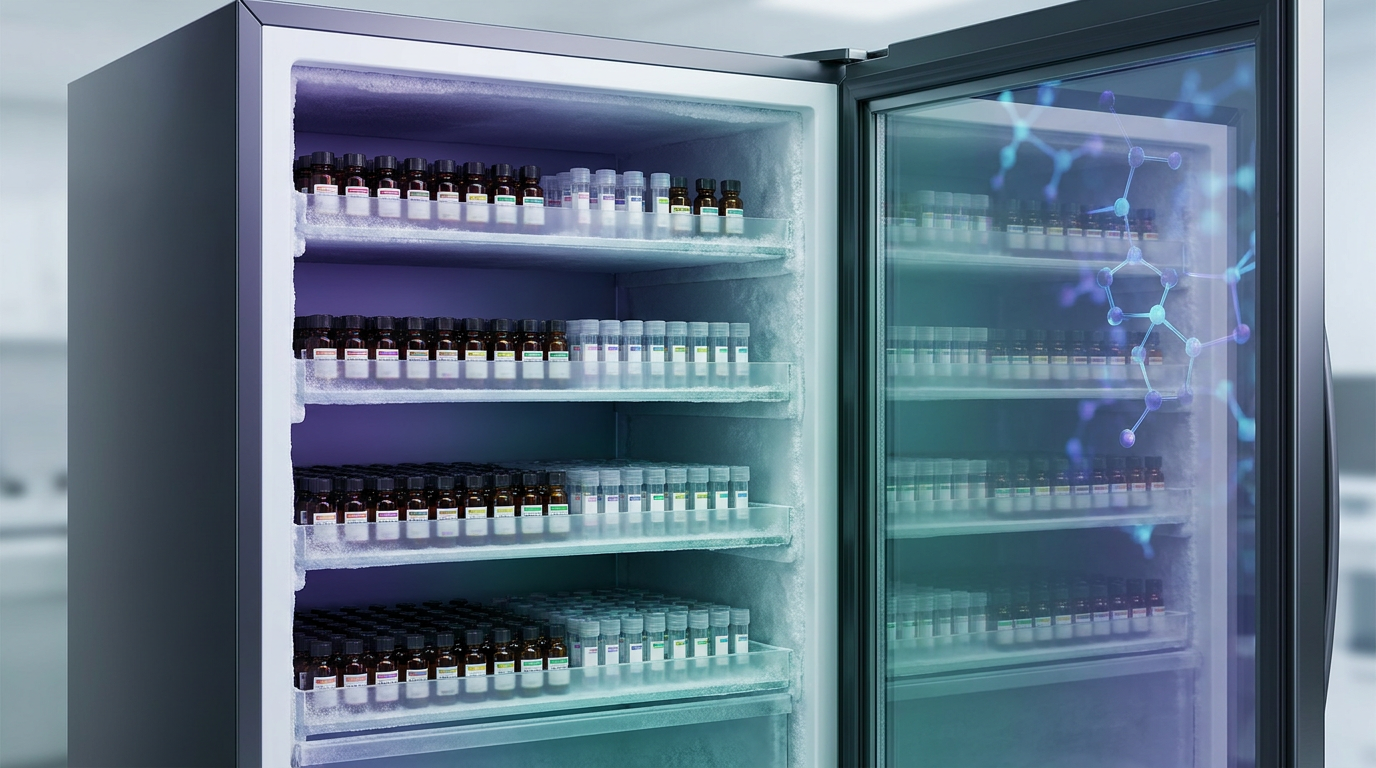
* **Temperature:** Low temperatures are generally preferred. Storage at -20°C or -80°C in a frost-free freezer is ideal for long-term storage of aliquots. For short-term use (e.g., within 1-2 weeks), storage at 4°C is acceptable for many peptides, including GHK-Cu, but degradation rates will be higher than at frozen temperatures. * **Aliquoting:** This cannot be overstressed. Aliquoting into single-use portions avoids degradation from repeated freeze-thaw cycles. Each cycle can cause denaturation, aggregation, and loss of activity of the GHK-Cu research peptide. Use appropriately sized vials to minimize headspace (air exposure). * **pH Considerations:** The stability of many peptides is pH-dependent. While GHK-Cu's stability around physiological pH is generally good, extreme pH values should be avoided. If a buffer is used for reconstitution, its buffering capacity and physiological relevance should be considered (Pickart, 2008). * **Light Protection:** Peptides with aromatic amino acids (Trp, Tyr, Phe) are susceptible to photodegradation. Although GHK-Cu does not contain these amino acids directly, protecting all peptide solutions from direct light exposure by using amber vials or wrapping clear vials in foil is a general best practice that mitigates potential light-induced degradation of the copper complex or other solution components. * **Freezing and Thawing Protocols:** When thawing aliquots, do so quickly, ideally in a warm water bath (37°C), and then immediately place on ice. Avoid leaving the thawed GHK-Cu research peptide at room temperature for extended periods. Do not refreeze thawed aliquots.
### Stability Factors for GHK-Cu Research Peptide
While the general principles apply, GHK-Cu has specific characteristics that influence its stability:
* **Copper Chelation:** The presence of the copper(II) ion is integral to GHK-Cu's structure and activity. Disruption of this chelation can lead to loss of function. Factors like extreme pH or the presence of strong chelating agents could theoretically affect this bond (Pickart, 2008). * **Oxidation:** As a copper complex, GHK-Cu can be susceptible to oxidative stress, particularly in the presence of oxygen and light. Minimizing air exposure during reconstitution and storage is beneficial. * **Contaminants:** Trace metal ions, even from water or glassware, can catalyze degradation reactions. Using ultra-pure, metal-free water and appropriately cleaned glassware is critical.
### What the Research Shows: Stability Studies
Research into peptide stability often involves accelerated degradation studies where peptides are exposed to various stress conditions (e.g., elevated temperature, extreme pH, oxidative agents) to predict their long-term stability. While specific, comprehensive degradation profiles for various GHK-Cu research peptide formulations and storage conditions are not always widely published in peer-reviewed literature, general principles derived from peptide chemistry apply. For instance, studies on similar small peptides (e.g., Singh et al., 2017) consistently highlight the increased stability of lyophilized forms over solutions, the benefits of low-temperature storage, and the detrimental effects of repeated freeze-thaw cycles. The protective role of certain excipients in lyophilized formulations is also a recurring theme (Pikal, 1990).
*In vitro* studies investigating GHK-Cu's biological effects often pre-treat cell cultures or tissues with freshly prepared solutions, implicitly recognizing the importance of maintaining peptide integrity (e.g., studies on wound healing in human fibroblasts, 2012; studies on gene expression in skin cells, 2015). Reports by peptide manufacturers often include stability data, demonstrating the integrity of the GHK-Cu research peptide under recommended storage conditions for specific durations. These often indicate stability for several years in lyophilized form at -20°C and several months to a year in solution at -20°C, provided aliquoting and proper handling are observed.
### Comparison with Other Research Peptides
Most research peptides share common vulnerabilities to degradation in solution. However, specifics can vary:
| Feature | GHK-Cu Research Peptide | Typical Hydrophilic Peptide (e.g., GLP1) | Typical Hydrophobic Peptide (e.g., Amyloid-β fragments) | | :---------------- | :----------------------------------------------- | :--------------------------------------------------------- | :------------------------------------------------------- | | **Solubility** | Good in water (due to copper complex and charges) | Good to excellent in water/aqueous buffers | Often poor in water, requiring organic co-solvents | | **Key Degradation** | Hydrolysis, oxidation (copper involvement) | Hydrolysis, deamidation, oxidation | Aggregation, hydrolysis, oxidation | | **pH Sensitivity**| Moderate, especially for copper chelation | Varies; generally sensitive to extreme pH | Varies; aggregation often pH-dependent | | **Reconstitution**| Sterile water, gentle mixing | Sterile water or buffer; gentle mixing | Organic co-solvent then dilution; sonication sometimes needed | | **Storage** | -20°C/-80°C aliquoted; avoid freeze-thaw | -20°C/-80°C aliquoted; avoid freeze-thaw | -20°C/-80°C aliquoted; avoid freeze-thaw; often need to prevent aggregation with specific buffers |
GHK-Cu's copper complexation adds an additional layer of consideration, as factors affecting metal ion stability can indirectly impact the peptide itself. Peptides like GLP1 analogs, while also requiring careful handling, might have different amino acid compositions making them more or less susceptible to specific types of degradation like deamidation or racemization.
### Open Research Questions and Evidence Gaps
Despite general guidelines, several areas warrant further detailed investigation concerning research peptide stability, particularly for novel or complex peptides like GHK-Cu:
* **Long-term Stability under Suboptimal Conditions:** While ideal conditions are known, comprehensive data on the degradation kinetics of GHK-Cu research peptide under mildly suboptimal, yet common, laboratory conditions (e.g., intermittent room temperature exposure, slight pH variations) is often lacking in public literature. This information could better inform researchers on the robustness of their experimental preparations. * **Excipient Impact:** Detailed studies on the efficacy of various excipients (e.g., trehalose, mannitol, albumin) in enhancing the long-term stability of reconstituted GHK-Cu research peptide solutions, beyond just the lyophilized form, could provide valuable insights for researchers who need to store solutions for longer periods. * **Impact of Container Materials:** The interaction of peptide solutions with different plastic or glass container materials, potentially leaching compounds or adsorbing peptides, is an area where specific data for GHK-Cu research peptide is limited. This can affect the effective concentration and stability. * **Effects of Repeated Freeze-Thaw at the Molecular Level:** While the macroscopic effects of freeze-thaw cycles are known, more detailed studies on the specific molecular changes (e.g., conformational shifts, specific bond cleavages) for GHK-Cu research peptide would enhance understanding and guide mitigation strategies.
These gaps highlight the ongoing need for rigorous analytical chemistry studies on research peptide stability under a wide range of relevant laboratory conditions.
### Practical Laboratory Considerations
Beyond the direct handling of the GHK-Cu research peptide, several overarching laboratory practices contribute to overall experimental reliability:
* **Documentation:** Maintain meticulous records of lot numbers, reconstitution dates, solvent used, concentration, storage conditions, and usage dates for each GHK-Cu research peptide vial. This allows for traceability and helps in identifying potential issues if experimental results vary. * **Quality Control:** Whenever possible, implement internal quality control checks. This might include running small-scale assays with freshly prepared versus stored GHK-Cu research peptide solutions to monitor activity, or analytical techniques like HPLC or mass spectrometry to assess purity and integrity over time (though these are often resource-intensive for routine checks). * **Supplier Information:** Always consult the peptide manufacturer's technical data sheet (TDS) or certificate of analysis (CoA) for specific recommendations regarding reconstitution and storage. These documents often contain lot-specific information and validated stability data for the GHK-Cu research peptide. * **Personal Protective Equipment:** Always handle research peptides in a chemical fume hood and wear appropriate personal protective equipment, including gloves and lab coat, to ensure laboratory safety and prevent contamination of the peptide.
### Frequently Asked Questions
### 1. How long can reconstituted GHK-Cu research peptide be stored?
The stability of reconstituted GHK-Cu research peptide is highly dependent on storage conditions. If stored properly in aliquots at -20°C or -80°C, it can typically remain stable for several months to a year. At 4°C, stability is generally much shorter, often limited to days or a few weeks. Always refer to the manufacturer's specific recommendations for the particular GHK-Cu research peptide lot.
### 2. Can GHK-Cu research peptide be refrozen after thawing?
No, it is strongly advised against refreezing thawed aliquots of GHK-Cu research peptide. Each freeze-thaw cycle can induce denaturation, aggregation, and degradation, leading to a loss of peptide integrity and activity. This is why aliquoting into single-use portions immediately after initial reconstitution is a critical best practice.
### 3. What kind of water should be used for reconstitution?
For GHK-Cu research peptide, sterile, ultra-pure, deionized water (e.g., Milli-Q grade or equivalent) is generally recommended. It is important to use water that is free from metal ions and microbial contaminants, as these can accelerate degradation of the GHK-Cu complex or introduce experimental artifacts. For peptides requiring a buffered solution, ensure the buffer components are also of high purity.
### 4. Why is gentle mixing important during reconstitution?
Gentle mixing, such as slow swirling or pipetting, is crucial because vigorous agitation (e.g., harsh vortexing) can lead to foaming, which increases the surface area exposed to air and promotes oxidation. It can also induce shear forces that lead to aggregation or physical degradation of the GHK-Cu research peptide, potentially altering its structure and biological activity.
### 5. Should GHK-Cu research peptide always be aliquoted after reconstitution?