
Longevity Research
TB-500 Research Peptide and Mitochondrial Health in Longevity Studies
·Educational reference
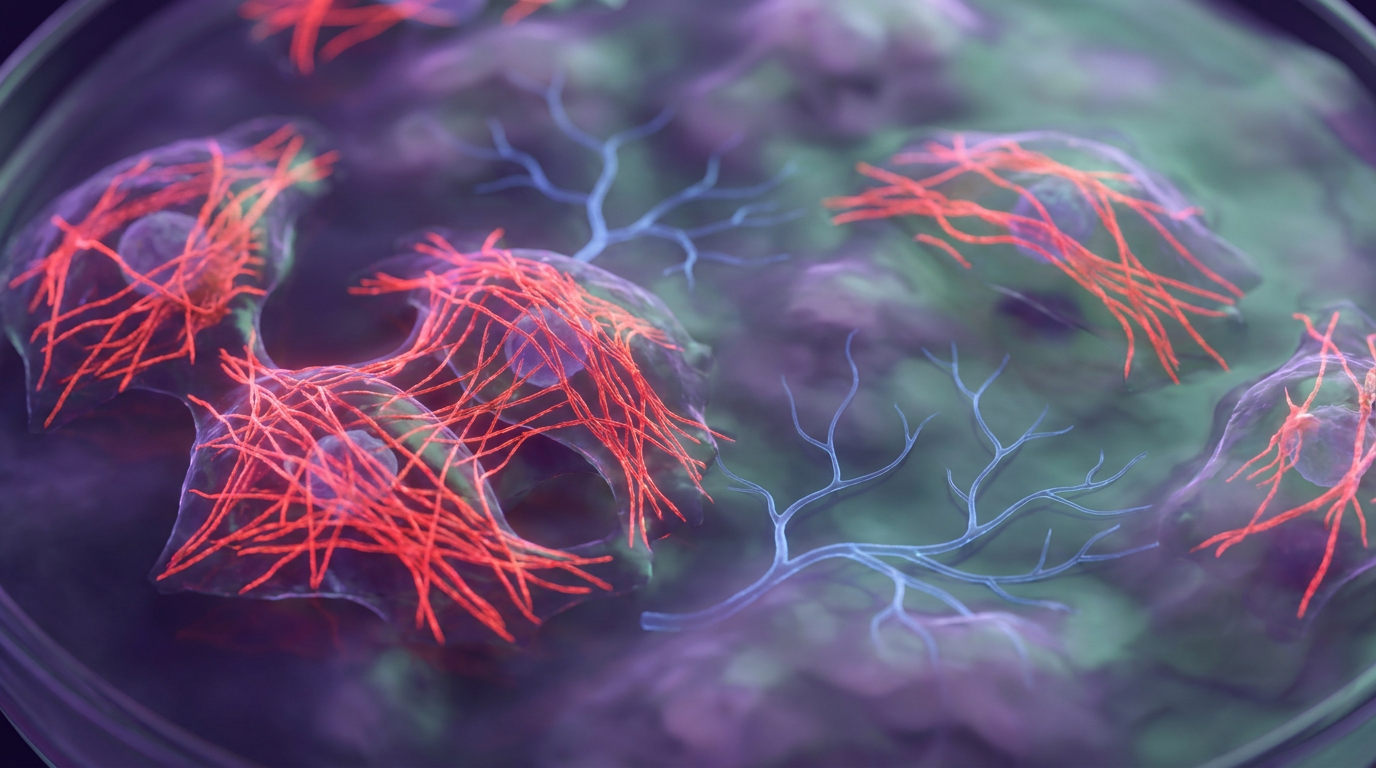
This article explores the **TB-500 research peptide** and its intersection with mitochondrial function, a critical aspect of cellular health and longevity. While direct mechanistic links between TB-500 and classic mitochondrial peptides like SS-31, Humanin, and MOTS-c are still under investigation, understanding their individual roles provides a comprehensive perspective on cellular resilience. The scientific literature suggests that processes influencing cellular repair and regeneration often converge on mitochondrial homeostasis. This piece delves into current research, offering insights into the documented activities of these peptides and the open questions that define the frontier of longevity research.
### Quick Summary Box
- **TB-500 research peptide:** A synthetic derivative of Thymosin Beta-4, studied for its roles in cellular migration, angiogenesis, and tissue repair, often influencing aspects of cell maintenance that involve energy metabolism. - **Mitochondrial Peptides (SS-31, Humanin, MOTS-c):** Endogenously produced peptides that directly target and modulate mitochondrial function, known for their cytoprotective, metabolic, and anti-aging properties. - **Intersection:** While TB-500's primary mechanisms are distinct, its involvement in cell proliferation, migration, and survival indirectly impacts mitochondrial health, as robust cellular repair relies on efficient energy production. The collective study of these peptides offers a multifaceted view of cellular resilience and anti-aging strategies.
## What is the TB-500 Research Peptide?
The **TB-500 research peptide** is a synthetic analog of Thymosin Beta-4 (TB4), a naturally occurring protein found in virtually all human and animal cells. TB4 is an actin-sequestering protein, meaning it binds to actin monomers, preventing their polymerization into filaments. This activity is crucial for cell motility, differentiation, and tissue repair processes. The smaller, synthetic TB-500 peptide is often used in research due to its stability and ease of synthesis. Its primary role in research models has been observed in modulating cellular migration, angiogenesis (the formation of new blood vessels), and reducing inflammation, thereby promoting healing and regeneration across various tissue types. The literature consistently highlights its involvement in the early stages of wound repair and tissue remodeling, making it a subject of significant interest in regenerative medicine studies since the early 2000s (e.g., Philp et al., 2003; Malinda et al., 2007).
## Understanding Key Mitochondrial Peptides: SS-31, Humanin, and MOTS-c
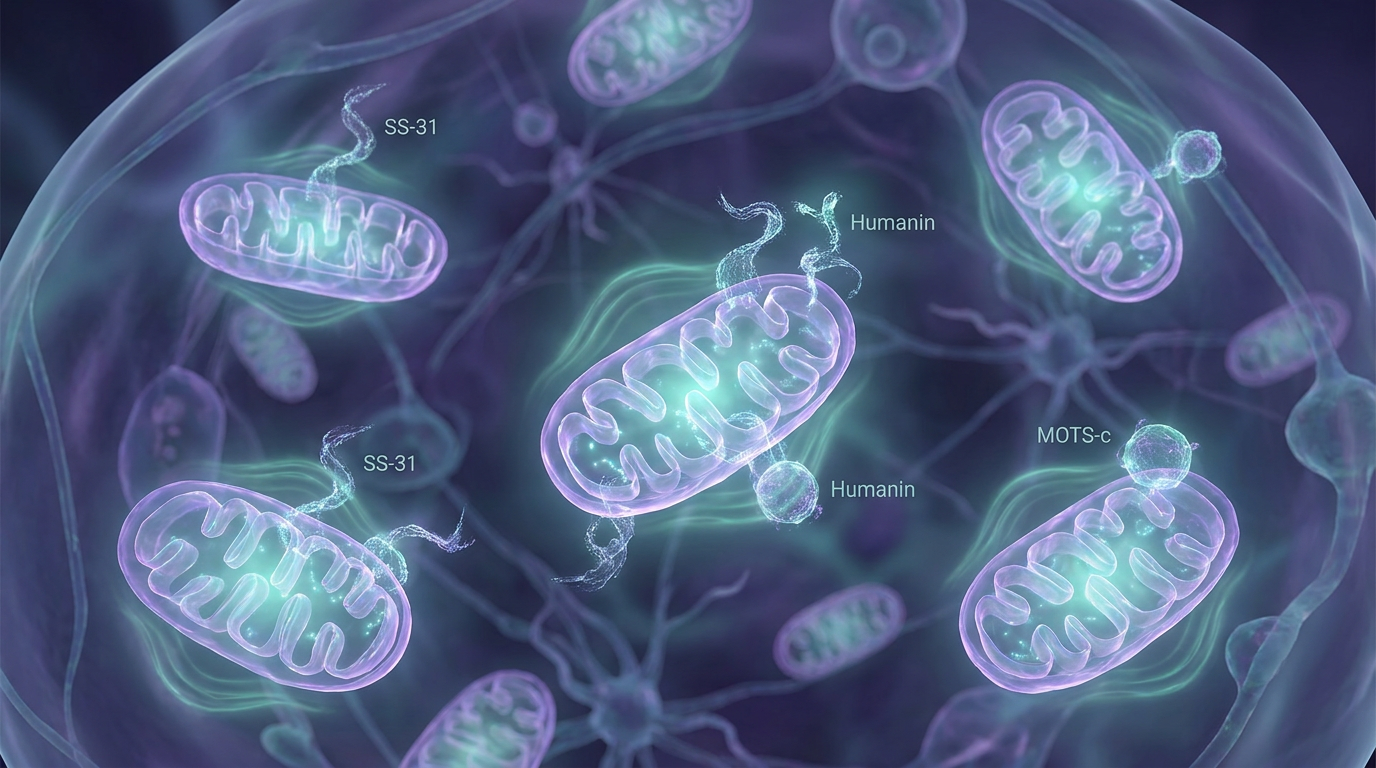
Beyond the broad regenerative focus of the TB-500 research peptide, specific endogenous peptides directly modulate mitochondrial function, acting as crucial regulators of cellular energy and stress response. These include SS-31, Humanin, and MOTS-c.
### SS-31 (Elamipretide)
SS-31, also known as Bendavia or Elamipretide, is a small, amphipathic tetrapeptide (D-Arg-dimethylTyr-Lys-Phe-NH2) developed to target the inner mitochondrial membrane. Its primary mechanism of action involves interacting with cardiolipin, a unique phospholipid essential for mitochondrial cristae structure and function, particularly electron transport chain (ETC) efficiency. By binding to cardiolipin, SS-31 has been shown to stabilize the inner mitochondrial membrane, reduce reactive oxygen species (ROS) production, and improve ATP synthesis. Research models have demonstrated its protective effects against mitochondrial dysfunction in various disease states, including ischemia-reperfusion injury, neurodegenerative conditions, and metabolic disorders (e.g., Szeto, 2006; Birk et al., 2013). Its ability to restore mitochondrial bioenergetics makes it a compelling target in longevity research, where mitochondrial health is paramount.
### Humanin
Humanin is a 24-amino acid mitochondrial-derived peptide (MDP) originally identified in the brain of Alzheimer's disease patients. It is encoded by a small open reading frame within the mitochondrial 16S ribosomal RNA gene. Humanin's multifaceted actions are primarily cytoprotective, particularly against various cellular stressors, including amyloid-beta toxicity, oxidative stress, and excitotoxicity. In research models, Humanin has been shown to inhibit neuronal apoptosis, improve insulin sensitivity, and extend lifespan in certain organisms. Its mechanism involves binding to cell surface receptors (such as the ciliary neurotrophic factor receptor and formyl peptide receptor-like 1) and interfering with apoptotic pathways, as well as directly influencing mitochondrial function by improving ATP production and reducing ROS (e.g., Hashimoto et al., 2001; Yen et al., 2021). The broad protective effects position Humanin as a significant player in age-related disease prevention and healthy aging.
### MOTS-c
MOTS-c (Mitochondrial Open Reading Frame of the 12S rRNA Type-c) is another MDP, a 16-amino acid peptide encoded by a small open reading frame within the mitochondrial 12S ribosomal RNA gene. Discovered more recently than Humanin, MOTS-c has garnered significant attention for its role in metabolic regulation. Research indicates that MOTS-c promotes insulin sensitivity, enhances glucose uptake in skeletal muscle, and influences metabolic homeostasis, particularly in conditions of metabolic stress (e.g., Lee et al., 2015). It functions by activating the AMPK pathway, thereby stimulating glucose utilization and fatty acid oxidation. Studies have also suggested its involvement in cellular stress response and potentially extending healthspan in preclinical models. Its capacity to directly impact systemic metabolism from a mitochondrial origin highlights the intricate connection between mitochondrial function and overall organismal health, making it highly relevant to longevity studies.
## Mechanism of Action: Distinct Pathways, Shared Goals
While the TB-500 research peptide and the mitochondrial peptides (SS-31, Humanin, MOTS-c) operate through distinct primary mechanisms, their overarching goal of promoting cellular health and resilience intersects. TB-500, as a TB4 derivative, primarily influences actin dynamics, facilitating cell migration, angiogenesis, and anti-inflammatory responses. This is critical for tissue repair and regeneration, processes that inherently demand high energy supply and robust cellular machinery, including healthy mitochondria.
In contrast, SS-31 directly targets the mitochondrial inner membrane to improve ETC efficiency and reduce oxidative stress. Humanin acts as a broad cytoprotectant, often intervening in apoptotic pathways and improving mitochondrial bioenergetics. MOTS-c functions as a mitokine, regulating systemic metabolism by influencing glucose and lipid homeostasis, with direct mitochondrial involvement.
The synergy, while not directly mechanistic between TB-500 and these mitochondrial peptides, lies in their contributions to overall cellular integrity. A cell undergoing repair (influenced by TB-500) requires optimally functioning mitochondria (modulated by SS-31, Humanin, MOTS-c) to meet energetic demands and manage stress. Therefore, understanding these separate but complementary pathways offers a more complete picture of cellular resilience and anti-aging interventions.
## What the Research Shows: A Landscape of Cellular Repair and Mitochondrial Modulation
The scientific literature provides extensive insights into the individual activities of these peptides. This section summarizes key findings from various research models.
### Research on TB-500 Research Peptide
- **Tissue Repair and Regeneration:** Numerous studies in animal models (e.g., mice, rats, rabbits) have demonstrated that the TB-500 research peptide accelerates wound healing in various tissues, including skin, cornea, and heart muscle following injury. For instance, a 2003 study in *Nature Medicine* highlighted TB4's role in promoting cardiac repair post-infarction, showing improved cardiac function and reduced scar formation. A 2007 study in *Experimental Eye Research* detailed its benefits in corneal repair. These effects are attributed to its ability to promote cell migration, angiogenesis, and extracellular matrix remodeling. - **Anti-inflammatory Effects:** Research suggests TB-500's capacity to modulate inflammatory responses. Studies in inflammatory models have shown reduced pro-inflammatory cytokine expression and improved resolution of inflammation, contributing to faster recovery and reduced tissue damage (e.g., Young et al., 1999). - **Neuroprotection:** Some preclinical studies have explored its potential in neurological repair, demonstrating neuroprotective effects and promoting neuronal plasticity in models of brain injury or neurodegeneration (e.g., Zhou et al., 2015).
### Research on SS-31
- **Cardiovascular Protection:** A significant body of research has focused on SS-31's protective effects in the heart, particularly against ischemia-reperfusion injury. Studies (e.g., Birk et al., 2013 in *J Am Coll Cardiol*) showed that SS-31 reduced infarct size and improved mitochondrial function in myocardial ischemia models. - **Kidney Disease:** In models of acute kidney injury and chronic kidney disease, SS-31 has demonstrated benefits by preserving mitochondrial integrity, reducing oxidative stress, and ameliorating fibrosis (e.g., Hu et al., 2017 in *Kidney Int*). - **Neurodegenerative Diseases:** Research has explored its potential in conditions like Parkinson's and Alzheimer's disease, where mitochondrial dysfunction is a hallmark. Studies have indicated neuroprotective effects by improving mitochondrial bioenergetics and reducing neuronal damage (e.g., Szeto, 2006 in *FASEB J*).
### Research on Humanin
- **Neuroprotection and Alzheimer's Disease:** Early research primarily identified Humanin for its protective effects against amyloid-beta toxicity in neuronal cell culture and animal models of Alzheimer's disease. Studies (e.g., Hashimoto et al., 2001 in *Nature*) demonstrated its ability to inhibit neuronal apoptosis caused by various neurotoxic insults. - **Metabolic Regulation:** More recent studies have revealed Humanin's role in metabolic health, showing improvements in insulin sensitivity and glucose metabolism in models of type 2 diabetes and obesity (e.g., Yen et al., 2021 in *Cell Rep*). - **Longevity:** In lower organisms, Humanin analogs have been shown to extend lifespan, suggesting a role in fundamental aging processes (e.g., Gong et al., 2018 in *Cell Metab*).
### Research on MOTS-c
- **Metabolic Syndrome and Type 2 Diabetes:** MOTS-c has shown promising results in models of metabolic dysfunction. Studies (e.g., Lee et al., 2015 in *Cell Metab*) demonstrated that MOTS-c enhances glucose uptake in skeletal muscle, improves insulin sensitivity, and prevents diet-induced obesity in mice. - **Physical Performance:** Research suggests MOTS-c may improve physical performance and increase endurance, likely due to its role in energy metabolism and mitochondrial biogenesis (e.g., Kim et al., 2019 in *J Physiol*). - **Cellular Stress and Longevity:** Like Humanin, MOTS-c is being investigated for its broader effects on cellular stress response and its potential to influence healthy aging and lifespan (e.g., Reynolds et al., 2021 in *Nat Aging*).
## Comparisons and Synergistic Considerations
While the primary functions of the TB-500 research peptide and mitochondrial peptides are distinct, their combined effects in a biological system could be complementary. TB-500 focuses on structural and organizational aspects of cellular repair and tissue integrity. Its ability to promote angiogenesis and cell migration ensures that damaged areas receive necessary resources and that cellular components can relocate and proliferate effectively. This rapid and efficient repair process, however, is energetically demanding.
Here, the mitochondrial peptides play a crucial supporting role. SS-31 ensures that the energy-generating machinery (mitochondria) remains efficient and protected from oxidative damage during periods of high demand. Humanin provides broad cytoprotection, safeguarding cells from stress-induced death, which is particularly relevant in injured or aging tissues. MOTS-c fine-tune systemic metabolism, ensuring that glucose and fat are utilized optimally to fuel cellular processes, including repair and regeneration.
Consider, for example, a scenario of tissue injury. TB-500 could facilitate the initial migration of repair cells and the formation of new blood vessels. Concurrently, SS-31 could protect mitochondria in these metabolically active cells from stress, while Humanin shields them from apoptosis. MOTS-c could ensure efficient glucose uptake to power the entire repair cascade. This hypothetical synergy underscores the multi-faceted nature of cellular resilience.
## Open Research Questions
Despite the significant progress, several critical questions remain in the research of these peptides:
* **Direct Interaction Mechanisms:** Are there any unexplored direct mechanistic links or cross-talk pathways between TB-500's signaling cascades (e.g., actin dynamics, cell migration) and the direct mitochondrial modulation by SS-31, Humanin, or MOTS-c? For instance, does enhanced cell migration fueled by TB-500 upregulate specific mitochondrial functions, or vice-versa? * **Optimal Combinatorial Strategies:** How might these peptides be optimally combined in research models to achieve superior outcomes in complex conditions like chronic degenerative diseases or age-related decline? What are the ideal ratios or sequential administration protocols? * **Tissue Specificity and Cell Type Response:** To what extent do the effects of these peptides vary across different tissue types and cell populations, particularly in the context of aging? Do some cell types respond more robustly to mitochondrial optimization while others benefit more from regenerative signals? * **Long-term Effects and Safety Profiles:** While preclinical studies show promise, more extensive longitudinal research in various research models is needed to fully understand the long-term implications, potential adaptions, or compensatory mechanisms that might arise from sustained modulation of these pathways. * **Bioavailability and Delivery Optimization:** For research applications, improving the bioavailability and targeted delivery of these peptides remains an ongoing challenge. Novel delivery systems could enhance their efficacy and specificity.
## Risks and Evidence Gaps
It is imperative for researchers to recognize the current limitations and evidence gaps:
* **Translational Gaps:** Most of the compelling evidence for these peptides comes from *in vitro* studies and animal models. The complexity of human physiology means that findings do not always translate directly. Robust, well-controlled studies in more complex research models are continuously needed. * **Mechanism Elucidation:** While primary mechanisms are known, the full spectrum of downstream signaling pathways and potential off-target effects are not completely understood for all these peptides. For instance, the precise receptors and signaling cascades for Humanin's diverse effects are still under investigation. * **Dosage and Administration Variability:** In research settings, the wide range of dosages and administration routes employed across different studies can make direct comparisons challenging and influence observed outcomes. * **Ethical Considerations in Longevity Research:** As research delves into pathways that could modulate aging, ethical considerations surrounding interventions that alter fundamental biological processes become increasingly important for the scientific community to address.
## Practical Laboratory Considerations for TB-500 Research Peptide and Mitochondrial Peptides
When working with these research peptides, several practical considerations are paramount to ensure the integrity and reproducibility of experimental results:
* **Peptide Purity and Source:** Always verify the purity and source of research peptides. Contaminants can significantly alter experimental outcomes. High-performance liquid chromatography (HPLC) and mass spectrometry (MS) data from suppliers are essential. * **Storage and Handling:** Peptides are often sensitive to light, temperature, and repeated freeze-thaw cycles. Adhere strictly to manufacturer's storage recommendations, typically lyophilized at -20°C or below, and reconstituted solutions stored at 4°C for short periods or aliquoted and frozen for longer durations. * **Reconstitution:** Use appropriate solvents for reconstitution. Sterile water, bacteriostatic water, or specific buffer solutions are common, but always refer to product specifications. Ensure complete dissolution to avoid aggregates. * **Experimental Controls:** Implement robust positive and negative controls in all experiments. For mitochondrial peptides, positive controls for mitochondrial function assays (e.g., uncouplers, mitochondrial inhibitors) are crucial. For TB-500, positive controls for cell migration or angiogenesis are relevant. * **Assay Specificity:** Be mindful of the specificity of assays used. For example, when measuring mitochondrial respiration, ensure that the detected effects are directly attributable to the peptide and not to secondary cellular responses. * **Cell Culture Conditions:** Maintain consistent cell culture conditions, including media composition, serum type, and passage number, as these can influence cellular responses to peptides. * **_In Vivo_ Model Selection:** When transitioning to _in vivo_ models, carefully select species and strains that best mimic the biological context being investigated. Consider genetic background, age, and health status of the animals.
### Comparison of Key Features